What's inside
- What is covered in this guide
- Types of wood stoves
- Materials: steel, cast iron and soapstone
- How to choose a wood stove
- Key features worth paying attention to
- Sizing a stove to your space
- Installation and clearances basics
- Operation and care
- Safety essentials
- Common mistakes
- Who should choose what
- Buying checklist
- FAQ
- Conclusion
As an Amazon Associate I earn from qualifying purchases. This post may contain affiliate links at no extra cost to you.
Short answer: the best wood stove is the one that is correctly sized for the space it heats, built from a material that suits how you burn, installed by the book with the right clearances and a sound chimney, and fed with dry, seasoned wood. A modern, emissions-rated stove in a steel or cast iron body, matched to your room volume and your heating goals, will beat a bigger or fancier unit that is oversized, poorly vented or burned with wet fuel. This guide explains the types, materials, sizing logic, installation basics and safety rules so you can narrow the field before you ever look at a product page.
Our Top Picks
What is covered in this guide
- Types of wood stoves
- Materials: steel, cast iron and soapstone
- How to choose a wood stove
- Key features worth paying attention to
- Sizing a stove to your space
- Installation and clearances basics
- Operation and care
- Safety essentials
- Common mistakes
- Who should choose what
- Buying checklist
- FAQ
- Conclusion
Types of wood stoves
Non-catalytic stoves are the most common modern design. They achieve cleaner combustion through a firebox shaped and insulated to stay hot, plus preheated secondary air that burns off smoke in the upper part of the chamber. There is no consumable part to replace, and the stove is forgiving of the occasional low fire. Catalytic stoves add a coated ceramic honeycomb that lets smoke burn at a lower temperature. They can hold a steady, long, low burn very well, but the catalyst is a wear item that needs inspection and eventual replacement, and the stove asks for more attentive operation, especially during startup and reloading.
| Type | How it works | Strengths | Trade-offs | Best suited to |
|---|---|---|---|---|
| Non-catalytic freestanding | Insulated firebox with preheated secondary air | Simple, durable, no catalyst to replace | Burn is best at moderate to high output | Most homes, general heating |
| Catalytic freestanding | Coated honeycomb burns smoke at lower temperature | Long, steady low burns | Catalyst is a wear part; needs more attentive operation | Owners who want overnight low heat and will learn the controls |
| Fireplace insert | Sits inside a masonry opening, needs a liner | Uses an existing chimney; strong heat gain over open fireplace | Fixed location; liner and surround panel required | Homes with a sound masonry fireplace |
| Small cabin stove | Compact firebox, low output | Fits tiny rooms, light to move | Short burn times; small log length | Cabins, sheds, workshops, small outbuildings |
| Cooking-capable stove | Flat top surface with firebox below | Doubles as a backup way to heat water or food | Top heat varies; not a full range | Off-grid or outage-prone households |
Materials: steel, cast iron and soapstone
Plate steel bodies heat quickly. You light the stove, and within a fairly short time you feel warmth, which is ideal for rooms that are used in bursts or workshops where you want heat the moment you arrive. The flip side is that steel also cools faster once the fire is out, and the surface can get very hot, so careful protection of children, pets and nearby furniture matters. Welded steel is also the most common material for larger fireboxes because it is easier to fabricate in big shapes. Look at the weld quality and the thickness of the plate, and expect to touch up the paint periodically.
Cast iron bodies are assembled from cast panels sealed with cement or gaskets. They warm up more slowly, but they hold heat longer and tend to radiate it more gently, which many owners find more comfortable for living spaces. Cast iron offers decorative detail, and cracked panels can sometimes be replaced individually, but the stove can be sensitive to being overfired or to sudden thermal shock. The joints need occasional checking, and any air leak at a joint can make the fire harder to control.
| Material | Warm-up speed | Heat retention | Weight | Maintenance notes |
|---|---|---|---|---|
| Plate steel | Fast | Low to moderate | Lighter | Check welds and repaint heat-rated finish as needed |
| Cast iron | Moderate | Moderate to high | Heavier | Inspect joints and gaskets; avoid overfiring and thermal shock |
| Soapstone-clad | Slow | High | Heaviest | Confirm floor support; wipe stone with a dry or lightly damp cloth |
| Ceramic or tile clad | Slow to moderate | Moderate to high | Heavy | Watch for cracked tiles or loose cladding |
How to choose a wood stove
Start with the job you want the stove to do. A stove that is the sole heat source for a draughty farmhouse faces a different task from one that adds ambience to a well-insulated living room. Write down the three or four things that matter most, such as heating a whole level, extending the season in a workshop, backup heat during outages, or simply the look of a fire. Those priorities will guide almost every other decision.
Key features worth paying attention to
Emissions certification. In many regions, stoves sold new must meet emissions standards, and a stove that is listed for use will carry a label with its testing and installation details. Look for that label and read it. It tells you the clearances the stove was listed with, which is information you will need again at installation time. Do not rely on a seller’s verbal claim; ask for the documentation.
Sizing a stove to your space
Buyers usually err by going too big. An oversized stove in a small or well-insulated room gets throttled down to avoid overheating, and a fire starved of air makes smoke, leaves creosote in the chimney and gives poor heat. A correctly sized stove can be burned reasonably hot, where it works best, and still keep the room comfortable.
Manufacturers publish heating ranges as floor area or output. Treat them as a starting point, because they ignore ceiling height, insulation, climate and how open the plan is. Think in terms of the volume you are heating, then adjust: a tight modern home needs little output, a draughty older one with high ceilings needs more. A qualified dealer or heating professional can run a heat-loss estimate. Also check floor strength, since a heavy stove concentrates load on a small footprint.
Installation and clearances basics
Installation is not the part to economize on. A wood stove is a fire appliance that sits in your living space, and correct installation depends on local codes, the stove’s listing and the chimney system. The notes below are general orientation, not a substitute for the manufacturer’s instructions or a qualified installer, and the local building authority has the final say.
Clearances to combustibles. Every listed stove has a required distance from walls, ceilings and furniture, and the number depends on the stove, any heat shields and what the wall is made of. Unprotected combustible walls need the largest distance; approved shielding systems can reduce it, but only if they are built exactly as specified, usually with an air gap. Follow the label and manual. Do not assume a rule of thumb from another stove applies to yours.
Chimney and connector. Stovepipe connects the stove to the chimney and must be the right diameter, rated for use, and assembled with the crimped ends pointing down toward the stove and sealed joints secured with screws as the instructions require. Single-wall pipe has its own clearance requirements, which are larger than for insulated pipe. Where the system passes through a wall or ceiling, use a certified thimble or support box. A chimney that rises well above the roof and any nearby ridge draws better; low or obstructed chimneys can make the fire sluggish and the room smoky. Many people choose a stainless liner for a masonry chimney, and an unlined or damaged flue should be assessed before use.
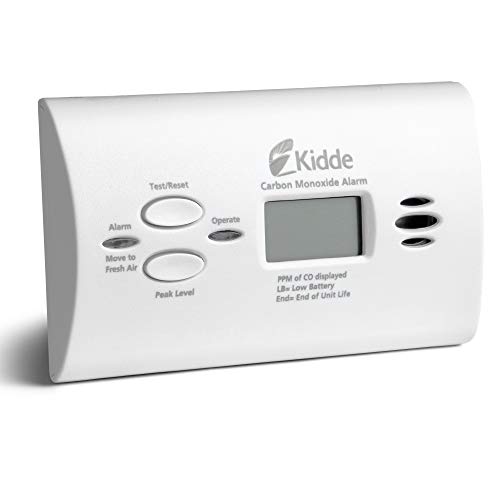
Alarms. Fit carbon monoxide alarms and working smoke alarms on each level, and place them as the alarm manufacturers describe. Test them regularly.
Operation and care
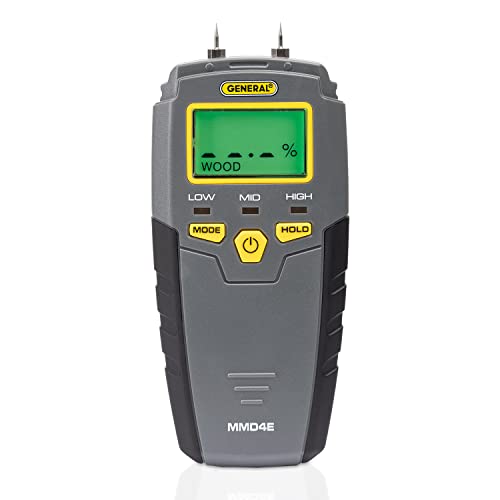
Burn dry, seasoned wood that has been split and stacked off the ground with air moving through it; a simple moisture meter tells you more than the look of the logs. Wet wood wastes heat and builds creosote. Never burn trash, painted or treated wood. Follow your manual for startup and reloading, since catalytic and non-catalytic stoves differ.
Put ash in a covered metal container on a non-combustible surface away from the house and woodpile, and leave it for several days, because ash can hold live coals. At the start of each season, check door gaskets, glass, firebricks, baffle and pipe joints for wear.
Have the chimney inspected and, where needed, swept by a qualified professional. How often depends on how much you burn, the quality of the wood and the system, but many fire-safety bodies recommend an inspection at least once a year. Do not wait for a visible problem; creosote buildup can be invisible from below.
Safety essentials
A wood stove is safe when its parts all do their job: the stove, the chimney, the clearances and you. The most serious dangers are chimney fires, house fires from inadequate clearance or hot ash, and carbon monoxide poisoning.
Chimney fires usually start with creosote, a tarry residue formed when smoke cools in the flue. The remedy is dry fuel, adequate air, a well-built chimney and regular sweeping. If you ever hear a roaring noise, see flames or heavy smoke at the top or feel unusual heat from the pipe, close the air control, get everyone out and call the fire service. Do not use the stove again until the chimney has been inspected.
Carbon monoxide is a colourless, odourless gas. A stove that backdraughts, a blocked flue or a leaking pipe joint can bring it into the house. Working alarms are essential, and so is attention to symptoms such as headaches or drowsiness when the stove is lit. In tight homes, competing exhaust fans, such as kitchen hoods and dryers, can pull smoke back down the flue, so know your house and consider an outside air supply where recommended.
Common mistakes
- Buying too large. The most frequent error. Oversized stoves get choked down, make smoke and leave creosote.
- Burning unseasoned wood. It reduces heat, blackens glass and fouls the chimney. Season wood properly and check with a meter.
- Ignoring the chimney. The best stove fails with a cracked flue, wrong diameter or poor height. Treat the chimney as part of the purchase.
- Cutting corners on clearances. Placing a stove closer to a wall than its listing allows, or making a homemade shield, is a real fire risk.
- Letting the fire smoulder overnight. Shutting the air right down for a long burn on a stove that is not designed for it produces smoke and creosote.
- Disposing of ash carelessly. Ash in cardboard, paper or plastic, or on a wooden deck, has started many fires.
Who should choose what
The primary-heat household that wants warmth across a whole level should look at a mid to large non-catalytic or catalytic stove with a good firebox size, and should commit to storing plenty of seasoned wood. A professional heat-loss estimate is worth the effort here.
The owner of a masonry fireplace should consider an insert with a full liner rather than a freestanding stove, because that makes use of the existing structure. Have the chimney inspected first.
The cautious first-timer should favour the simplest controls, a respected installer and a firm plan for wood supply and sweeping. Complexity can come later.
Buying checklist
- Measure the room, ceiling height and the intended stove position before shopping.
- Confirm local codes, permit requirements and insurer conditions.
- Have the existing chimney inspected, or plan a new certified system.
- Choose a stove type that suits your chimney and layout.
- Pick a size based on heated volume and insulation, not the biggest firebox you can afford.
- Check the stove carries a current certification label and read its listed clearances.
- Decide on a material that fits how quickly you want heat and how long you want it to linger.
- Verify the floor can support the stove and plan a rated hearth.
- Confirm replacement gaskets, glass and baffles are available.
- Arrange a covered woodshed or stack and buy a moisture meter.
- Buy a lidded metal ash bucket, fire gloves and a hearth tool set.
- Install carbon monoxide and smoke alarms and test them.
- Book a qualified installer and schedule a chimney inspection.
If you are still gathering accessories, a magnetic stove-top thermometer helps you keep an eye on surface temperature, and a pin-type wood moisture meter takes the guesswork out of seasoning. A lidded metal ash bucket and a carbon monoxide alarm are inexpensive safety basics that belong in every stove household.
FAQ
How long does a wood stove last?
With sensible use and maintenance, a quality stove can last for many years, and wear parts such as gaskets, glass, baffles and firebricks are designed to be replaced along the way. Overfiring, wet fuel and neglect shorten its life significantly.
Do I need a chimney liner?
Often, yes, particularly when installing into an existing masonry chimney or fitting an insert. A liner of the correct size improves draw, protects the masonry and reduces the risk of leaks. A professional should inspect the chimney and advise on what your stove and flue require.
Is cast iron better than steel?
Neither is better in every case. Steel heats fast and suits spaces used in bursts, while cast iron holds heat longer and radiates more gently. Choose according to how you live, and judge build quality in either material by construction and documentation.
What size stove do I need?
That depends on the volume you heat, how well it is insulated, your climate and the layout. Use the manufacturer’s heating range as a guide, and ask a qualified dealer or installer for a heat-loss estimate. When in doubt, avoid going significantly oversized.
Can I install a wood stove myself?
Rules vary by region. Many places require permits and inspection, and insurers may require professional installation. Because errors involve fire and carbon monoxide risks, hiring a qualified installer is the safer choice, and the local building authority is the one to ask about requirements.
How often should the chimney be cleaned?
It depends on use, fuel and system design, but a yearly inspection is widely recommended, with sweeping when the inspector finds buildup. If you burn heavily or have burned damp wood, inspect more often.
Can a wood stove heat my whole house?
It can in some homes, especially compact, open-plan, well-insulated ones with the stove in a central position. In larger or divided houses the stove may mainly warm its own area, and you may need fans, door management or other heating to share the warmth.
What wood should I burn?
Burn dry, seasoned hardwood or other suitable firewood with a moisture level that your stove manual recommends. Denser woods tend to burn longer, and lighter woods are easier to start. Avoid painted, treated or composite materials, trash and anything that is not meant as firewood.
Conclusion
The best wood stove is a fit, not a trophy. Start with the type that matches your chimney and your daily routine, choose a material for the way you want heat to arrive, size the stove to the volume you really heat, and treat installation, clearances and chimney care as part of the purchase. Pair it with dry wood, working alarms and a covered ash bucket, and a good stove will heat your space for years with a minimum of drama. When in doubt, ask a certified professional and your local building authority before you commit.
As an Amazon Associate, we earn from qualifying purchases. If you buy through links on this page, we may earn a commission at no extra cost to you.
Related guides
More from Amazon
Programs that pair well with the guide above. Offers and eligibility are set by Amazon and may change.
A free business account with business pricing and bulk-buying tools for work, shop or home office.
Create a business accountFree shipping on eligible items, Prime Video and more. Eligible new members can start with a free trial.
Start a Prime free trialAudiobooks and podcasts to listen to on the go. Eligible new members can start with a free trial.
Try Audible freeAd-free music streaming. Eligible new subscribers can start with a free trial.
Try Music Unlimited freeAs an Amazon Associate we earn from qualifying purchases.