Category Workshop Tips

How to Control Dust from a Portable Belt Sander

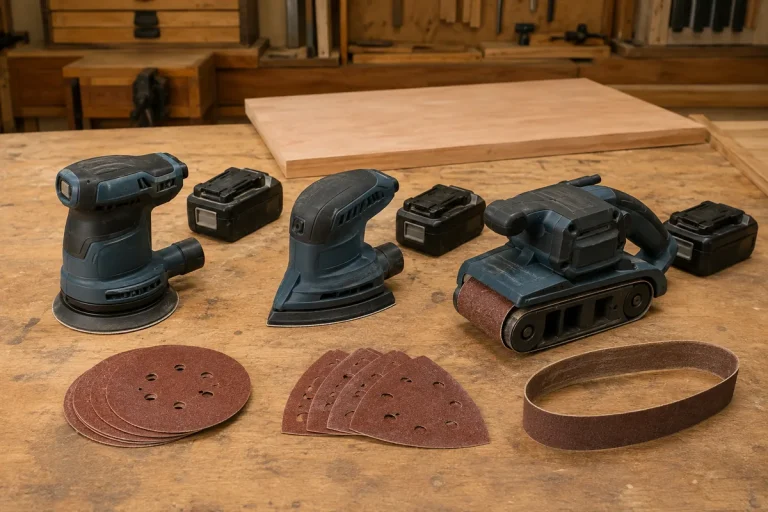
Editorial illustration: orbital, detail and belt sanders with matching abrasive shapes.

A portable belt sander can fill a small shop with fine dust in minutes. Its dust bag catches some of the debris, but it is rarely a substitute for extraction—especially when sanding hardwood, plywood, or old finishes. The best setup…

Best Dust Collection for a Benchtop Mortiser

AI-generated editorial illustration of dust collector

A benchtop mortiser makes a small, concentrated pile of chips—and sends some of them straight toward the operator. Its open chisel area is harder to capture than a sander’s enclosed port, so the best setup is usually a short, adjustable…

Best Dust Collection for a Small CNC Router

AI-generated editorial illustration of dust collector

A small CNC router can make a surprising amount of fine dust, especially when cutting MDF, plywood, or hardwood for more than a few minutes. The right setup captures chips at the cutter instead of letting them spread across the…

Wood Lathe Dust Collection Hood vs Enclosure

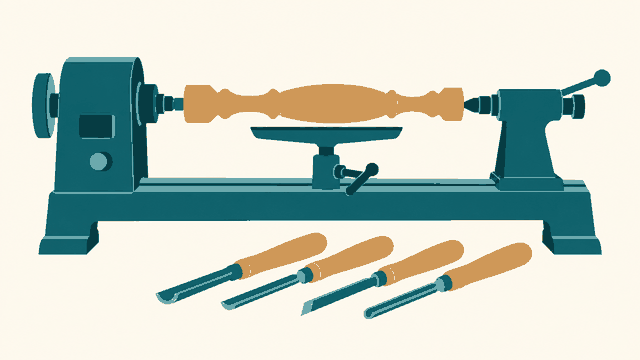
Editorial illustration: woodworking lathe with woodturning chisels, switched off.

A wood lathe throws dust in every direction, but not all dust is equally easy to capture. Shavings from roughing a bowl are large and fall quickly. Fine dust from sanding can hang in the air, settle on shelves, and…

How to Capture Chips from a Wood Lathe

Editorial illustration: woodworking lathe with woodturning chisels, switched off.

A wood lathe throws chips in a wide, unpredictable arc. The goal is not to seal the lathe inside a box or suck every shaving through a small hose. It is to catch most debris near the turning, keep the…