
What's inside
- Best home CNC machines for cutting and engraving metal
- 1. Bantam Tools Desktop CNC Milling Machine: best overall for home metal work
- 2. Pocket NC V2-50: best for complex small parts
- 3. Carbide 3D Nomad 3: best for quiet precision engraving
- 4. Genmitsu 3020-PRO MAX V2: best budget home CNC machine for metal
- 5. Shapeoko 5 Pro: best when the part is large
- Decision matrix: which machine fits your situation?
- Garage installation: space, power, coolant and noise
- A realistic first-metal setup
- What wears first and how to keep the machine accurate
- Final verdict
- Related Guides
As an Amazon Associate I earn from qualifying purchases. This post may contain affiliate links at no extra cost to you.
The best home CNC machine for metal is the Bantam Tools Desktop CNC Milling Machine for serious aluminum work, while the Carbide 3D Nomad 3 is the better choice for quieter, smaller jobs and the Pocket NC V2-50 is the most capable compact option for users who need 4- or 5-axis machining.
A home metal CNC machine must be judged differently from a wood router. Frame rigidity, backlash, spindle bearings, chip evacuation, and workholding matter more than maximum advertised travel. The machines below are compact enough for a workshop or garage, but none should be treated as a general-purpose steel mill without checking the manufacturer’s material limits.
As an Amazon Associate we earn from qualifying purchases at no extra cost to you.


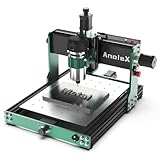

Best home CNC machines for cutting and engraving metal
| Rank | Machine | Best for | Work envelope | Spindle speed | Metal suitability | Approximate market price |
|---|---|---|---|---|---|---|
| 1 | Bantam Tools Desktop CNC Milling Machine | Regular aluminum milling in a compact shop | 7 × 9 × 3.5 in | 28,000 rpm | Aluminum, brass, copper, plastics; light-duty metal work | $4,000–$6,000 |
| 2 | Pocket NC V2-50 | Complex small parts and angled machining | Approximately 5 × 5 × 5 in | Up to about 10,000 rpm | Aluminum, brass and other small-part nonferrous work | $6,000–$10,000+ |
| 3 | Carbide 3D Nomad 3 | Engraving and occasional shallow aluminum cuts | 8 × 8 × 3 in | 24,000 rpm | Aluminum, brass, copper and plastics with conservative cuts | $2,800–$3,500 |
| 4 | Genmitsu 3020-PRO MAX V2 | Low-cost entry into engraving and light aluminum work | Approximately 11.8 × 7.1 × 3 in | Up to about 12,000 rpm, depending on configuration | Aluminum and brass in shallow passes; not a steel-production machine | $500–$900 |
| 5 | Shapeoko 5 Pro | Large mixed-material projects with occasional aluminum work | Varies by size; substantially larger than desktop mills | Router-dependent, commonly up to about 24,000 rpm | Aluminum with suitable tooling and very conservative feeds | $2,000–$3,500 |
1. Bantam Tools Desktop CNC Milling Machine: best overall for home metal work
The Bantam Tools Desktop CNC Milling Machine is the strongest all-round choice when “metal” means repeatable aluminum brackets, plates, fixtures, and engraved panels rather than occasional lettering. Its enclosed, rigid benchtop design, dedicated milling spindle, automatic tool-length measurement, and integrated workholding options make it more appropriate for cutting metal than a belt-driven woodworking router.
The 7 × 9 × 3.5-inch work envelope is not generous, but it is large enough for many home-shop parts. The 28,000-rpm spindle favors small carbide cutters and high-speed aluminum work. It can handle brass and some copper with suitable feeds, but material hardness, cutter diameter, and rigidity quickly determine whether a job is practical.
Coolant is not a simple “fill the tank and run” feature on a compact desktop machine. Many users rely on minimum-quantity lubrication, a controlled mist, or an air blast instead. Flood coolant can create electrical, cleanup, and chip-containment problems in a garage. A properly adjusted air blast is often the cleaner starting point for aluminum.
Why it ranks first
- More rigid and metal-focused than typical hobby CNC routers.
- Enclosure reduces flying chips and limits noise, although it does not make the machine silent.
- Good fit for frequent aluminum work and small production batches.
- Shorter learning curve than assembling a router conversion from separate components.
2. Pocket NC V2-50: best for complex small parts
The Pocket NC V2-50 is the specialist choice. Its compact 5-axis architecture allows machining on multiple faces and at compound angles without repeatedly repositioning the workpiece. That is a major advantage for small aerospace-style parts, impellers, fixtures, and sculptural components.
The trade-off is a small work envelope, a high purchase price, and a steeper CAM and workholding learning curve. It is not the sensible choice for flat aluminum plates larger than its table or for routine engraving on large panels. It also demands careful toolpath simulation: rotary and tilted-axis movements can produce collisions that would not occur on a three-axis machine.
For a home CNC machine for metal, the Pocket NC makes sense when the geometry—not raw cutting volume—is the problem you are trying to solve. It is less attractive if you mainly want to cut simple profiles.
3. Carbide 3D Nomad 3: best for quiet precision engraving
The Nomad 3 is a compact enclosed CNC that suits nameplates, instrument panels, small jewelry components, aluminum tags, and shallow pocketing. Its 8 × 8 × 3-inch envelope is practical for small work, and its high-speed spindle works well with small engraving cutters.
It is less suitable for removing large amounts of metal. The machine’s compact structure and small tooling capacity favor shallow passes rather than aggressive roughing. Aluminum is realistic when the stock is securely held, the cutter is sharp, and chips are cleared from the cut. Brass and copper can also be workable, but soft metals may grab a tool if feeds, lubrication, or chip evacuation are poorly controlled.
The Nomad is a better fit than an open-frame router for an apartment-adjacent workshop, though the spindle and cutting process still produce noise. Use an enclosure or a dedicated room, and do not assume its enclosure replaces eye and hearing protection.
4. Genmitsu 3020-PRO MAX V2: best budget home CNC machine for metal
The Genmitsu 3020-PRO MAX V2 offers a low-cost route into aluminum engraving and light milling. It can be a useful learning platform, particularly for users who want to make small brackets, front panels, soft jaws, or engraved tooling plates without spending several thousand dollars.
Its limitations are equally important. A budget 3020-class machine generally has less rigidity, more vibration, and less forgiving motion components than a dedicated desktop mill. The advertised work area is useful for small parts, but the machine should be operated with shallow depth per pass and conservative radial engagement. Expect to spend time tramming the spindle, checking fasteners, improving spoilboard or fixture alignment, and tuning feeds and speeds.
This is an entry-level metal CNC machine for home use, not a replacement for a knee mill or industrial machining center. Aluminum and brass are the sensible targets. Steel cutting is generally unsuitable unless the exact machine configuration and manufacturer guidance explicitly support it.
5. Shapeoko 5 Pro: best when the part is large
The Shapeoko 5 Pro is primarily a CNC router, but it deserves consideration when the workpiece is too large for a desktop mill. With the correct spindle or router setup, rigid fixturing, single-flute or aluminum-specific carbide cutters, and shallow passes, it can machine aluminum.
Its open frame makes chip control and noise more difficult than with an enclosed mill. It also takes more floor or bench space and needs a sturdy, level stand. The large work envelope is its advantage; metal rigidity is its compromise. Choose it for occasional aluminum panels and mixed wood-plastic-metal projects, not for deep pockets, steel, or unattended production.
Decision matrix: which machine fits your situation?
| Your situation | Recommended choice | Reason |
|---|---|---|
| First CNC, under $1,000, mostly engraving | Genmitsu 3020-PRO MAX V2 | Lowest entry cost, but requires patience with setup and conservative cutting |
| Quiet enclosed machine for small aluminum parts | Carbide 3D Nomad 3 | Compact enclosure and good small-tool workflow |
| Weekly aluminum machining and repeatable fixtures | Bantam Tools Desktop CNC Milling Machine | Better rigidity, probing and metal-oriented design |
| Complex angled parts under 5 inches | Pocket NC V2-50 | Multi-axis access reduces repositioning |
| Large aluminum panels and mixed woodworking | Shapeoko 5 Pro | Much larger envelope, but louder and less rigid for metal |
Garage installation: space, power, coolant and noise
Measure the machine, stand, enclosure, computer, chip tray, and access space—not just the advertised footprint. Leave at least 24 inches of operating space at the service side and enough clearance to lift the enclosure or access the spindle. A compact machine often needs a 30- to 36-inch-deep bench once the controller, tooling, vise, and dust or chip management are included.
Most machines in this class use ordinary household power, but check the exact voltage and amperage before installation. Put the machine on a rigid bench that does not flex when you lean on it. A level surface matters because an uneven frame can affect workholding, spindle squareness, and repeatability.
Open-frame routers are normally the loudest option because the cutter, spindle, and chips are exposed. Enclosed desktop mills reduce airborne chips and perceived noise but still need hearing protection during extended operation. For aluminum, air blast or a small amount of lubricant can be more practical than flood coolant in a residential garage. If you use mist, provide ventilation and keep ignition sources away from flammable fluids.
A realistic first-metal setup
Allow for more than the machine price. A workable starter setup may include a machinist vise, clamps, sacrificial stock, carbide end mills, engraving cutters, edge-finding or probing equipment, calipers, chip brushes, eye protection, hearing protection, and a method for chip extraction. A reasonable additional budget is roughly $300–$1,000, depending on how much tooling is included.
For example, suppose a 6061 aluminum plate requires four roughing passes over a 6 × 4-inch area. If the toolpath removes 0.015 cubic inches per pass and the effective material-removal rate is 0.08 cubic inches per minute, cutting time is:
0.015 × 4 ÷ 0.08 = 0.75 minutes of cutting time.
That number is not the job time. Add rapid moves, workholding, tool changes, probing, deburring, and a finishing pass. A part that appears to require one minute of cutting can easily occupy 15–25 minutes at the machine. This is why rigidity and reliable setup often matter more than maximum spindle speed.
What wears first and how to keep the machine accurate
- Cutters: Small carbide tools chip or dull first, especially when chips recut in a pocket. Replace them rather than compensating for a damaged edge with increasingly poor feeds.
- Threaded inserts and clamps: Repeated overtightening damages workholding surfaces and can distort thin aluminum stock.
- Lead screws, belts and V-wheels: Dust, chips, loose tension, and inadequate lubrication produce backlash or inconsistent movement.
- Spindle bearings: Excessive side loading, overly aggressive cuts, and chip contamination shorten bearing life.
- Fixtures and spoilboards: A worn or inaccurately surfaced fixture causes more dimensional trouble than many users expect.
Before every metal job, clear chips from the rails, check that the stock cannot move, inspect the cutter, verify the tool length, and run the first pass above the work or in simulation. Never brush chips away with your fingers while the spindle is moving. Use a brush, vacuum designed for the material, or air blast with suitable eye protection.
Final verdict
Choose the Bantam Tools Desktop CNC Milling Machine if aluminum machining is a regular part of your home workshop. Choose the Carbide 3D Nomad 3 for compact, enclosed engraving and shallow cuts. Choose the Pocket NC V2-50 when multi-axis access justifies the cost. The Genmitsu 3020-PRO MAX V2 is the budget learning option, while the Shapeoko 5 Pro is preferable when part size matters more than metal-cutting rigidity.
For most buyers searching for a metal CNC machine for home, the critical question is not whether the machine can spin a cutter fast enough. It is whether the frame, workholding, chip control, available space, and maintenance routine are adequate for the metal and part size you actually intend to cut.