
What's inside
As an Amazon Associate I earn from qualifying purchases. This post may contain affiliate links at no extra cost to you.
The best sources for free CNC project files are OpenBuilds for machine projects, CutRocket for router-ready examples, Vectric’s free project resources for polished CNC designs, and 3axis.co for a broad collection of downloadable DXF and vector files—but the right choice depends on licensing, file preparation, and your machine’s actual cutting envelope.
As an Amazon Associate we earn from qualifying purchases at no extra cost to you.


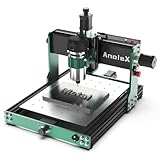
Free CNC project files compared
“Free” can mean several different things: free to download, free for personal use, free to modify, or free to sell as a finished product. Before loading a file into CAM software, check the individual download page for its license. A design marked for personal use may not be legal to manufacture and sell, even if the download costs nothing.
| Source | Common formats | Best for | Typical preparation | Cut-ready? | License caution |
|---|---|---|---|---|---|
| OpenBuilds | DXF, SVG, STL, STEP, PDF | Machine parts, jigs, workshop projects | Medium to high | Sometimes | Varies by contributor |
| CutRocket | VCarve files, SVG, DXF, project archives | Wood signs, furniture, decorative projects | Low to medium | Often, if using compatible CAM | Check each project |
| Vectric free projects | VCarve project files, vectors, PDFs | Decorative woodworking and relief projects | Low when using Vectric software | Usually closer to ready | Some designs restrict commercial use |
| 3axis.co | DXF, SVG, CDR, EPS, AI, STL | Large variety of signs, ornaments, and patterns | Medium to high | Rarely guaranteed | License information may differ by file |
| GrabCAD Library | STEP, IGES, SolidWorks, STL, CAD formats | Mechanical parts and engineering references | High for woodworking CNC | Usually no | Uploader rights and use restrictions vary |
| Thingiverse | STL, OBJ, SVG, DXF, project files | Small fixtures, templates, and 3D relief ideas | Medium | Usually no | Creative Commons terms are important |
Best sources by situation
- For a beginner with a desktop router: start with a simple SVG or DXF from CutRocket, Vectric, or a clearly documented 3axis.co file. Choose a flat sign, coaster, or pocketed tray rather than a multi-part chair or 3D relief.
- For an OpenBuilds or custom-built machine: use OpenBuilds for brackets, spoilboard accessories, dust-shoe parts, and machine upgrades. These projects often include dimensions and assembly drawings that are more useful than an attractive but undocumented decorative file.
- For someone using VCarve: Vectric’s own free projects and CutRocket are the closest match. A native project file may contain toolpaths, material settings, tabs, and workpiece dimensions that a bare SVG does not.
- For mechanical parts: use GrabCAD or OpenBuilds as design references, then convert the model into a suitable CAM workflow. Mechanical CAD models frequently need machining clearances, tabs, orientation decisions, and a separate toolpath strategy.
- For CNC files free of charge with maximum variety: 3axis.co and Thingiverse offer many choices, but they require the most inspection. Treat the download as raw design material unless the author supplies reliable dimensions and machining instructions.
Head-to-head: native project files versus DXF and SVG
Native CAM project files
A native file for software such as VCarve can preserve vectors, layers, toolpaths, tabs, material size, cutter diameter, and machining order. That makes it faster to produce a first preview. It does not make the file automatically safe: the original author may have used a 6 mm cutter, while your machine has a 3.175 mm bit, or the project may assume a 19 mm board rather than your 12 mm stock.
DXF files
DXF is useful for dimensioned 2D profiles, joinery, templates, and furniture parts. It is not a complete machining plan. A DXF may contain duplicate lines, open contours, construction geometry, dimensions, or curves imported at the wrong scale. Verify one known measurement before creating toolpaths. If a design should be 300 mm wide but imports as 11.81 mm or 11.81 inches, correct the units before proceeding.
SVG files
SVG is convenient for signs, engraving, and layered decorative work. It can contain fills, strokes, text, clipping paths, and hidden objects that CAM software interprets differently. Convert text to paths, remove unnecessary fills, join intended contours, and inspect every layer. An SVG is usually a design file, not a cut list.
STL and relief files
STL is a mesh format, so it is best suited to 3D carving, molds, reliefs, and sculptural parts. It does not normally provide a clean 2D perimeter or exact manufacturing dimensions. Resolution matters: a low-resolution mesh can produce visible faceting, while an extremely dense mesh can slow toolpath calculation without improving the finished surface.
How to tell whether a file is genuinely ready to cut
A dependable download should identify most of the following:
- Finished dimensions and units.
- Recommended material and thickness.
- Minimum cutter diameter and cutting depth.
- Whether the design is for an inside, outside, or on-line toolpath.
- Tabs, bridges, holding methods, or a warning that the work needs a spoilboard.
- Expected machining time or at least a rough operation list.
- License terms for modifying and selling the finished item.
If these details are missing, assume the file is not ready to cut. Plan a simulation, check for open vectors, and create your own feeds and speeds. A file can look perfect in a preview and still fail because an internal island is disconnected, a pocket is narrower than the cutter, or the toolpath leaves unsupported waste attached to the workpiece.
Material thickness and cutter fit
Material thickness is one of the most common causes of failed free-project downloads. A design drawn for 18 mm plywood will not automatically fit 12 mm stock. For a press-fit joint, measure the actual material rather than trusting its nominal label. “Half-inch” sheet goods may measure approximately 11.5 to 12.7 mm, depending on the product.
As a practical starting point, use these limits:
| Project type | Useful stock range | Beginner-friendly cutter | Important constraint |
|---|---|---|---|
| Engraved sign | 6–19 mm wood | 3.175 mm V-bit or end mill | Lettering must leave enough space for the tip |
| Coaster or shallow tray | 9–19 mm wood | 3.175–6 mm end mill | Pocket width should exceed cutter diameter |
| Through-cut parts | 6–19 mm sheet goods | 3.175–6 mm compression or downcut bit | Use tabs and account for kerf |
| 3D relief | 19–50 mm stock | 6 mm rougher plus 3.175 mm finishing bit | Allow extra depth below the relief |
For a 12 mm panel, do not program a 12 mm through-cut and expect a clean result. Measure the sheet, add a small sacrificial clearance—often 0.5 to 1 mm—and confirm that the spoilboard can safely receive the cutter. The exact value depends on machine rigidity, material, and workholding.
A quick inspection workflow before cutting
- Confirm the license. Save a copy of the terms with the project if you intend to sell finished work.
- Measure the design. Compare a known dimension with the imported file and correct millimetres versus inches.
- Clean the geometry. Delete duplicates, close gaps, remove construction lines, and convert text to curves.
- Match the material. Scale only when appropriate; do not scale a press-fit joint without recalculating its clearance.
- Assign toolpaths. Select inside, outside, pocket, engraving, and 3D operations deliberately. Set depth from measured stock.
- Simulate and inspect. Look for uncut islands, collisions, thin walls, excessive scalloping, and waste that could move.
- Run an inexpensive test. Cut a small section in scrap of the same material before committing the full sheet.
Ownership realities and common mistakes
The first problems are usually not caused by the download itself. Router bits dull from plywood glue and abrasive composites; spoilboards become uneven; clamps interfere with travel; and small parts can move after the final pass releases them. Keep a sacrificial board flat, vacuum dust from rails and lead screws according to the machine manufacturer’s guidance, and inspect the cutter after every demanding job.
Budget for consumables even when the project files are free. A useful estimate is to divide the cost of a bit by the number of comparable jobs it completes. For example, a $25 cutter that survives 20 moderate plywood projects costs about $1.25 per project before accounting for material and machine time. That cost is often less than the price of recovering a failed sheet caused by a dull bit or inadequate tabs.
Final recommendation
Choose a native Vectric or CutRocket project when you want the shortest path from download to simulation. Choose OpenBuilds when the goal is improving or building the machine. Use 3axis.co and Thingiverse for ideas and reusable vectors, but inspect them as unfinished design assets. For engineering parts, GrabCAD is valuable for reference rather than immediate cutting. Across all sources, the safest free CNC project files are the ones with explicit dimensions, material guidance, tool information, a visible license, and a previewable toolpath—not simply the ones with the most attractive thumbnail.