
What's inside
As an Amazon Associate I earn from qualifying purchases. This post may contain affiliate links at no extra cost to you.
Garden work is repetitive, physically demanding, and unforgiving of underpowered equipment. A buyer shopping for ryobi garden tools or comparable cordless options is usually trying to solve one specific problem: how to maintain a yard without hauling extension cords, mixing fuel, or spending more than the property value justifies. The cordless revolution has genuinely closed the gap, but it has also flooded the market with tools that look similar on a spec sheet yet perform wildly differently in hand. The difference between a satisfying afternoon of trimming and a frustrating one often comes down to whether the battery platform you chose actually powers the tools you need, whether the cutting head is sized correctly for your work, and whether the price reflects the engineering or the marketing budget.
What separates a worthwhile cordless garden tool from a disappointing one is rarely a single feature. It is the combination of ergonomics, sustained power under load, and ecosystem compatibility. A pruner that feels great for two cuts and then stalls at the first thick branch is useless. An edger that requires you to buy a separate battery platform for every tool multiplies your real cost. We compared published specifications, retail prices, and aggregated owner feedback across these eight products to identify which tools actually deliver on their promises and which ones are overpriced or underbuilt for the jobs most gardeners face in 2026.
As an Amazon Associate we earn from qualifying purchases at no extra cost to you. Product prices and availability are accurate as of the date shown and are subject to change.





Quick Picks
| Product | Best for | Price |
|---|---|---|
| Ryobi P2900B Grass Shear & Shrubber | Balancing shrubs and small hedges | $109 |
| Supstable 4-in-1 Pole Saw Combo | Reaching high branches without a ladder | $159.99 |
| RYOBI ONE+ HP Brushless Pruner | Heavy-duty branch cutting on a platform | $137.95 |
| RYOBI 18V ONE+ 22cm Edger | Clean edges along sidewalks and beds | $143.87 |
| ONEAND 18V Compact Mini Chainsaw | Budget pruning of medium branches | $99 |
| 20V Electric String Trimmer | Light-duty weed eating on a tight budget | $35.99 |
| ONE+ 18V Cordless Pruner | Affordable pruning within the Ryobi system | $95 |
| Saker 22V Garden Tiller | Breaking new ground or prepping beds | $89.99 |
How We Picked
We focused on four criteria: price-to-capability ratio, whether the tool fits a battery platform you can expand or already own, build quality signals from long-term owner reviews, and whether the tool handles its stated job without compromise. Tools that require proprietary batteries with limited cross-compatibility scored lower. We also weighted whether the listed price includes a battery and charger, since that often changes the real total cost of ownership more than any performance difference.
The 8 Best Ryobi Garden Tools in 2026
Ryobi P2900B ONE+ 18V Grass Shear and Shrubber
This is the entry point for most Ryobi garden tools buyers who want to tidy shrubs and grass along borders without dragging a cord. It runs on the widely available ONE+ 18V battery platform, meaning if you own other Ryobi tools, this works immediately with what you already have.
- Pro: Shares the massive ONE+ battery ecosystem, so you likely already own a compatible pack.
- Pro: Lightweight design reduces arm fatigue during extended trimming sessions.
- Con: Does not include battery or charger, so the real first-purchase cost exceeds $109 if you are starting from zero.
Skip this if you primarily need to cut thick branches or if you have no existing Ryobi batteries, since the accessory cost narrows the value gap against alternatives.
Supstable 4-in-1 Pole Saw and Pruning Shears Combo Kit
For gardeners dealing with tall trees or awkward overhead branches, this kit bundles a pole saw, mini chainsaw, shears, and limb cutter into one package with two included 4000mAh batteries. The extension pole eliminates ladder work for most residential trimming.
- Pro: Includes two batteries and a charger, so there are no hidden accessory costs beyond the sticker price.
- Pro: Four tools in one kit cover a wide range of cutting tasks from ground level to canopy.
- Con: Build quality and long-term durability are less proven compared to established brands, and replacement parts may be harder to source.
Skip this if you prefer the reliability and service network of a major brand or if you already own a compatible pole saw in another system.
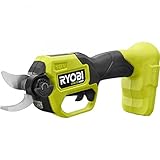
RYOBI ONE+ HP 18V Brushless Cordless Pruner
This is the serious pruner in the Ryobi garden tools lineup. The brushless motor delivers more sustained cutting power than brushed equivalents, handling thicker branches without bogging down. It is tool-only, which makes sense if you are already invested in the ONE+ platform.
- Pro: Brushless motor provides better efficiency and longer lifespan than brushed alternatives at similar voltage.
- Pro: Cuts cleanly through branches that frustrate cheaper pruners, reducing hand strain.
- Con: At $137.95 for the tool alone, the total cost climbs quickly once you add a high-capacity battery for full-day use.
Skip this if you only need light pruning on thin twigs, where the lower-priced ONE+ pruner delivers adequate performance for significantly less.
RYOBI 18V ONE+ 22cm Edger
A clean edge along a walkway or garden bed transforms the look of a yard. This edger uses the same ONE+ battery platform, so it slots into an existing toolkit. The 22cm cutting width handles standard edges efficiently without requiring multiple passes.
- Pro: Shares batteries with the rest of your ONE+ tools, keeping total system cost lower.
- Pro: Delivers a clean, defined edge that stays sharp for weeks after a single pass.
- Con: Battery and charger excluded means the effective price is higher if this is your first Ryobi tool.
Skip this if you need to edge large areas with heavy roots or if you would benefit more from a string trimmer with an edging attachment.
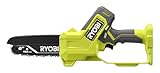
ONEAND 18V 6 Inch Cordless Compact Mini Chainsaw
At $99 for the tool alone, this mini chainsaw competes directly with Ryobi garden tools pruners at a slightly lower entry price. The six-inch bar handles branches up to mid-range diameters, making it suitable for storm cleanup or periodic pruning.
- Pro: Lower tool-only price than comparable Ryobi pruners while delivering similar cutting diameter.
- Pro: Compact size makes it easy to store and maneuver in tight spaces.
- Con: No battery ecosystem to build on, so future accessories may not be cross-compatible.
Skip this if you value long-term battery platform investment and prefer the assurance of a widely supported brand with accessible parts.
20V Electric String Trimmer with Battery and Charger
At $35.99, this is the least expensive option in the roundup and one of the few that includes both a 2.0Ah battery and a charger in the box. For light weed control along fences and garden borders, it performs adequately without demanding a premium.
- Pro: Battery and charger included at a price that undercuts most Ryobi garden tools competitors by a wide margin.
- Pro: Cordless convenience at a cost that removes the usual barrier for budget-conscious buyers.
- Con: The 2.0Ah battery limits runtime, and the trimmer will struggle with thick brush or heavy grass.
Skip this if your lawn has dense overgrowth or if you need a tool that can compete with gas trimmers on tough jobs.
ONE+ 18V Cordless Pruner
This is the value pruner in the Ryobi lineup at $95, positioned below the brushless HP model. For most suburban gardeners tackling branches up to moderate thickness, it cuts cleanly and runs on the same battery platform as every other ONE+ tool.
- Pro: Delivers reliable pruning performance at a meaningfully lower price than the brushless version.
- Pro: Full ONE+ compatibility means no new battery purchase if you already own Ryobi tools.
- Con: The brushed motor will not match the sustained power of the HP brushless model on the thickest branches.
Skip this if you regularly cut branches near the upper limit of pruner capacity, where the brushless model earns its price premium through cleaner cuts and less stall risk.
Saker 22V Cordless Garden Tiller
Tilling is the most physically taxing task on this list, and a cordless tiller that actually pulls through soil rather than bogging down is worth serious consideration. The Saker 22V includes a battery and charger, and its 22V system provides enough torque for bed preparation and light soil turning.
- Pro: Comes with battery and charger included, making the listed price the real price.
- Pro: Cordless freedom lets you till beds anywhere without hunting for an outlet or dragging an extension cord.
- Con: Limited ecosystem support means you are locked into this specific battery format for future tools.
Skip this if you have large areas of compacted or rocky soil, where a gas-powered tiller or professional service will save you time and frustration.
Buying Guide
Battery Platform Compatibility
The single most important decision when shopping ryobi garden tools or any cordless system is whether the tool runs on a battery you already own or will expand with. A $95 pruner costs $195 in practice if you need to buy a battery and charger. A tool listed at $109 that shares batteries with your existing Ryobi ONE+ collection is actually the cheaper purchase. Before buying any single tool, count how many other cordless garden or workshop tools you expect to own, then choose the platform that minimizes your total battery investment.
Tool-Only vs. Full Kit Pricing
Several products in this roundup are sold as tool-only, while others include batteries and chargers. Compare effective cost, not sticker price. The Supstable combo at $159.99 includes two batteries and a charger, making it a better first purchase than a Ryobi tool-only unit that would require $60 to $100 more in accessories. Conversely, if you already own two or more batteries in a given platform, tool-only pricing is always the smarter choice.
Brushed vs. Brushless Motors
Brushless motors deliver more runtime per battery charge, run cooler under sustained load, and last longer without maintenance. For tools that cut continuously like pruners and tillers, brushless is worth the premium if you work for more than twenty minutes at a stretch. For short burst tasks like edging a single sidewalk or trimming a few boxwoods, a brushed motor performs adequately at a lower price point.
Our Verdict
The top pick is the RYOBI ONE+ HP 18V Brushless Pruner at $137.95. It delivers the best combination of cutting power, platform compatibility, and longevity for anyone already committed to the Ryobi ecosystem. The budget pick is the 20V Electric String Trimmer at $35.99, which includes a battery and charger and eliminates the hidden accessory costs that plague tool-only purchases. However, if your primary need is reaching high branches without a ladder, the Supstable 4-in-1 combo at $159.99 wins outright, because no single Ryobi product in this list offers a pole saw with included batteries.
FAQ
Can Ryobi and non-Ryobi batteries be used interchangeably?
No. Battery platforms are proprietary to each manufacturer, so a Ryobi ONE+ 18V battery will not fit a Supstable or Saker tool, and vice versa. Plan your tool purchases around one platform to avoid buying multiple sets of batteries and chargers.
Do cordless garden tools have enough power for real yard work?
For residential properties with established lawns, hedges, and medium-sized trees, modern 18V and 20V cordless tools handle most tasks that gas-powered units once dominated. They struggle with heavy brush, large-diameter tree limbs, and compacted clay soil, where gas or professional equipment remains necessary.
Is it better to buy a full kit or individual tool-only units?
If you are starting from zero, a full kit with included batteries and charger almost always offers better value. If you already own a battery platform, buying tool-only units lets you expand your toolkit without accumulating redundant batteries that degrade on a shelf.
What warranty should I expect from a cordless garden tool?
Major brands like Ryobi typically offer three to five-year warranties on tools and one to three years on batteries. Lesser-known brands often provide shorter coverage or make claims harder to enforce. Warranty length is a reasonable proxy for how long the manufacturer expects the product to last.