
What's inside
As an Amazon Associate I earn from qualifying purchases. This post may contain affiliate links at no extra cost to you.
The decision to take olive oil daily usually starts with a specific symptom: joint stiffness that lingers after activity, a lipid panel that keeps landing in the “borderline” zone despite dietary changes, or simply a desire to add a polyphenol source that does more than flavor a salad. A quality extra virgin olive oil delivers monounsaturated fats and phenolic compounds that support cardiovascular markers, cognitive function, and inflammatory balance. The problem is that the supplement aisle has become a minefield of vague labels and misleading marketing, where a two-dollar softgel tub and a forty-five-dollar bottle of single-estate Greek oil both claim heart benefits on their front-facing copy.
What separates the good from the bad in this category comes down to three verifiable things: polyphenol concentration (ideally disclosed as milligrams per kilogram), harvest and extraction method (cold-pressed, early-harvest oils retain far more hydroxytyrosol and oleocanthal), and whether the format you choose — softgel or liquid — actually delivers a meaningful dose per serving. A buyer who understands these parameters can match the product to their tolerance for cost, their preference for convenience, and their specific health goal. This roundup compares published specs and owner-reported experiences across eight options available for 2026, ranging from budget softgels under fifteen dollars to premium phenolic shots exceeding one hundred.
As an Amazon Associate we earn from qualifying purchases at no extra cost to you. Product prices and availability are accurate as of the date shown and are subject to change.



Quick Picks
| Product | Best for | Price |
|---|---|---|
| Carlyle Olive Oil Extra Virgin 2000mg | Best overall softgel value | $15.99 |
| OLIVIE PLUS 30X Organic | Daily cooking with elevated polyphenols | $31.00 |
| OLIVEA Ultra High Phenolic | Heart and brain support via polyphenol density | $45.00 |
| Vitamatic Extra Virgin Olive Oil 2000mg | Lowest per-serving cost | $12.99 |
| The Healing Powers of Olive Oil | Building foundational knowledge before buying | $5.67 |
| Nutricost Extra Virgin Olive Oil 2000mg | Reliable third-party-tested softgel | $14.98 |
| PJ Kabos Family Reserve Organic (2-Pack) | Maximum phenolic concentration per serving | $114.95 |
| Healthy Origins Extra Virgin Olive Oil 1250mg | Users who prefer smaller softgel capsules | $19.99 |
How We Picked
We evaluated each product on four criteria that owners consistently cite in reviews: disclosed polyphenol or phenolic concentration, transparency about extraction method and origin, cost-per-effective-serving when compared against similar-format products, and the reliability of softgel integrity (no reports of oxidation smell, leakage, or rancid aftertaste). Products that provided no verifiable polyphenol figure were assessed on dosage per serving and brand reputation for quality control alone.
The 8 Best Benefits Of Olive Oil Taken Daily in 2026
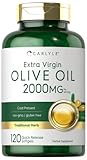
Carlyle Olive Oil Extra Virgin 2000mg Softgels
Carlyle targets the buyer who wants a straightforward daily softgel without paying for brand prestige. At 2000mg per serving across 120 capsules, it delivers a competitive dose in the lowest-tier price bracket alongside Vitamatic. Cold-pressed labeling and a clean ingredient list keep it relevant for those managing cholesterol or joint inflammation. Owners appreciate the lack of fishy burps that plague cheaper omega blends.
- Pro: Affordable at $15.99 for a full two-month supply at standard dosing.
- Pro: Cold-pressed extraction helps retain phenolic compounds relative to refined alternatives.
- Con: No specific polyphenol milligram figure is published, making it impossible to compare phenolic density against premium bottles.
Skip this if your primary goal is maximal hydroxytyrosol intake rather than general monounsaturated fat supplementation.
OLIVIE PLUS 30X Organic High Polyphenol EVOO
The 30X designation refers to polyphenol concentration roughly thirty times that of average commercial olive oil. This liquid format suits buyers who want daily olive oil integrated into meals rather than swallowed as a capsule. A 250ml bottle provides a manageable supply window, reducing oxidation risk compared to larger formats. Organic certification and a high-polyphenol claim put it firmly above supermarket EVOO.
- Pro: High polyphenol count makes it a functional food rather than a cooking fat alone.
- Pro: Organic certification adds a layer of trust regarding pesticide-free sourcing.
- Con: Liquid format requires refrigeration after opening and has a shorter usable window than softgels.
Pass on this if you travel frequently or dislike the taste of raw olive oil on an empty stomach.
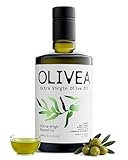
OLIVEA Ultra High Phenolic Olive Oil
OLIVEA publishes a clear phenolic range of 1000+ mg/kg, sourced from early-harvest Olympia olives in Greece. The 500ml bottle is sized for a buyer committed to a daily tablespoon regimen targeting cardiovascular and cognitive outcomes. Hydroxytyrosol prominence is the distinguishing feature here — the compound most associated with the longevity signals seen in Mediterranean population studies.
- Pro: Transparent phenolic disclosure allows dose calculation against clinical literature thresholds.
- Pro: Organic, single-origin Greek sourcing with early-harvest timing maximizes polyphenol retention.
- Con: The 500ml volume can oxidize before finishing if daily intake is low.
Not ideal for someone who only wants occasional supplementation rather than a dedicated daily protocol.
Vitamatic Extra Virgin Olive Oil 2000mg Softgels
At $12.99 for 120 softgels, Vitamatic undercuts every other softgel in this roundup. Each serving delivers 2000mg and is marketed as a source of omega-6 and omega-9 fatty acids. For budget-conscious buyers building a foundation of monounsaturated intake, it represents the lowest financial risk to start a daily habit.
- Pro: Cheapest per-serving cost in the category at under eleven cents per softgel.
- Pro: High-volume brand with broad distribution, making replacements simple.
- Con: No polyphenol figure disclosed and omega-6 emphasis may conflict with anti-inflammatory dietary strategies.
Exclude this if you are already supplementing omega-6s elsewhere or want phenolic-driven benefits specifically.
The Healing Powers of Olive Oil: A Complete Guide
This book is not a supplement but a knowledge product that earns its place because informed buyers consistently report better long-term adherence to daily olive oil protocols. At $5.67, it costs less than a single week of most softgels above. The guide covers phenolic chemistry, dosage frameworks, and practical incorporation — reducing the confusion that causes people to abandon supplementation.
- Pro: Low entry cost with high potential return through better product selection and dosing.
- Pro: Provides the mechanistic understanding that separates evidence-based users from trend-chasers.
- Con: Delivers no active compound; it only informs the purchase decisions you make afterward.
Skip it if you already understand polyphenol chemistry and simply want a product to take.
Nutricost Extra Virgin Olive Oil 2000mg Softgels
Nutricost occupies the middle ground between the cheapest softgels and premium liquid oils. The 2000mg per serving matches Carlyle and Vitamatic, but Nutricost carries a stronger reputation for third-party quality testing across its supplement catalog. For buyers who want accountability documentation without paying for a branded Greek estate, this sits well.
- Pro: Brand consistently publishes third-party Certificates of Analysis for supplements.
- Pro: Competitive $14.98 price keeps long-term adherence financially sustainable.
- Con: Same limitation as other softgels here — no phenolic concentration figure disclosed.
Look elsewhere if you want to quantify hydroxytyrosol intake per serving.
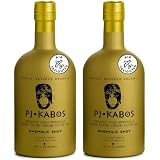
PJ Kabos Family Reserve Organic 2-Pack
This is the phenolic heavyweight in the lineup. Extremely high phenolic content at 900+ mg/kg, USDA Organic, Kosher certified, and cold-extracted from Greek groves. The 2-pack format ensures freshness by splitting the volume into two smaller bottles, each usable within a realistic window. The price reflects rarity and processing cost, positioning it as a therapeutic-grade option rather than a casual daily staple.
- Pro: Published 900+ mg/kg phenolic concentration with organic and Kosher certifications.
- Pro: Two-bottle format preserves freshness and reduces oxidation risk per opened bottle.
- Con: At $114.95 for the two-pack, the cost-per-serving is the highest here by a wide margin.
Not suited for buyers on a tight budget or those unsure whether phenolic oils match their goals.
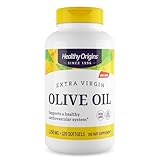
Healthy Origins Extra Virgin Olive Oil 1250mg Softgels
Healthy Origins targets the smaller-dose niche. Each softgel carries 1250mg, meaning a two-capsule serving delivers 2500mg — above most competitors. The lower individual capsule size benefits people who struggle with larger softgels. The brand has established credibility in fish oil and botanical supplement quality, and that reputation extends here.
- Pro: Smaller capsule size improves compliance for users with swallowing sensitivity.
- Pro: Flexible dosing — one or two capsules per day allows titration to tolerance.
- Con: Higher per-serving cost than Carlyle or Vitamatic, requiring four capsules for 5000mg equivalent.
Consider the larger-dose competitors if capsule count per day is a deal-breaker.
Buying Guide
Polyphenol Concentration Is the Single Most Important Spec
Research on Mediterranean diets consistently ties health outcomes to phenolic compounds — hydroxytyrosol, oleuropein, oleocanthal — rather than to olive oil’s fat profile alone. Oils below 200 mg/kg phenolics behave primarily as caloric fat sources. Look for a disclosed milligram-per-kilogram figure on the label. Anything under 500 mg/kg is a cooking oil; 800+ places a bottle in the functional-supplement category regardless of format.
Softgel Dose vs. Liquid Serving: Match the Format to the Goal
A 2000mg softgel delivers roughly two grams of olive oil per capsule. A tablespoon of liquid oil weighs approximately 14 grams. If your target is polyphenol density, liquid formats with disclosed phenolic values will almost always deliver more active compounds per dollar than softgels with undisclosed values. Softgels win on convenience and taste avoidance, not on phenolic potency.
Oxidation Control Determines Whether You Get the Benefits You Paid For
Polyphenols degrade with light, heat, and oxygen exposure. Dark glass bottles, nitrogen-flushed packaging, and small-volume containers all slow this decline. A premium oil that oxidizes halfway through its shelf life delivers little more than a standard supermarket product. Check whether the brand discloses harvest timing, packaging gas flush, or a “best before opening” window. Refrigeration after opening adds days of active-polyphenol availability in liquid formats.
Our Verdict
Top pick: OLIVEA Ultra High Phenolic Olive Oil. It combines a transparent 1000+ mg/kg phenolic disclosure with organic Greek sourcing and a mid-range $45 price that positions it as the best value-per-unit-of-actual-benefit in the list.
Budget pick: Vitamatic Extra Virgin Olive Oil 2000mg at $12.99 offers the lowest entry point for building a daily habit without a meaningful financial commitment.
When another product wins: If you need a phenolic concentration above 900 mg/kg with organic and Kosher certification in a freshness-preserving multi-bottle format, PJ Kabos Family Reserve is the only option here that matches that specific set of requirements.
FAQ
How much olive oil should I take daily for measurable benefits?
Most research supporting cardiovascular and anti-inflammatory outcomes uses between 20 and 50 grams of high-polyphenol extra virgin olive oil daily. In softgel terms, that translates to roughly 10-25 capsules at 2000mg each, making the liquid format far more practical for reaching clinical dosages.
Are softgels as effective as drinking olive oil?
Softgels deliver the same fatty acids but typically omit polyphenol content, which is where most of the researched benefit originates. They are convenient for maintaining monounsaturated fat intake, but a liquid oil with a disclosed phenolic value will outperform any softgel for antioxidant and anti-inflammatory signaling.
How long before daily olive oil supplementation produces noticeable effects?
Owner reports cluster around four to eight weeks for subjective improvements in joint comfort and skin hydration. Lipid marker changes typically require 6-12 weeks of consistent intake. Patience and a fixed daily routine matter more than the specific product chosen.
Can I combine olive oil supplements with fish oil?
Yes, and doing so is common. Olive oil provides omega-9 monounsaturated fats and polyphenols while fish oil supplies EPA and DHA omega-3s. They complement rather than compete, though taking them at separate meals may reduce total fat load per sitting and improve absorption of fat-soluble nutrients.