
As an Amazon Associate I earn from qualifying purchases. This post may contain affiliate links at no extra cost to you.
Home cooks shopping for pizza toppings face a deceptively hard problem: the difference between a great pie and a forgettable one comes down to ingredient quality, salt balance, and how each component behaves under high heat. A topping that looks perfect on the package can turn greasy, bland, or rubbery once it hits a 500-degree oven. Conversely, the right cheese blend or seasoning layer can elevate a basic store-bought dough into something that competes with your favorite neighborhood pizzeria.
What separates good pizza toppings from mediocre ones in 2026 is intentionality behind the formulation. A cheese blend engineered for melt coverage and browning outperforms a generic shredded mix every time. A pepperoni sliced at the correct thickness cups rather than burns. A chili oil with whole garlic crisps adds textural contrast that a flat seasoning dust never can. We compared published specs, current prices, and aggregated owner feedback across these eight products to identify which toppings deliver the most flavor and function per dollar, and which ones you can safely skip.
As an Amazon Associate we earn from qualifying purchases at no extra cost to you. Product prices and availability are accurate as of the date shown and are subject to change.






Quick Picks
| Product | Best for | Price |
|---|---|---|
| Amazon Grocery Four Cheese Blend | Everyday melt coverage | $1.66 |
| Hormel Original Pepperoni Slices | Classic cupping pepperoni | $3.99 |
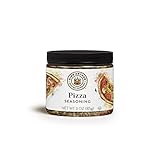
| King Arthur Pizza Seasoning | Herb-forward finishing | $6.98 |
| McCormick Flavor Maker Pizza Seasoning | Heat seekers on a budget | n/a |
| Hormel Real Bacon Crumble Topping | Smoky, crispy bacon bite | $5.99 |
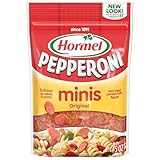
| Hormel Mini Pepperoni Slices | Sliced coverage for smaller pies | $4.69 |
| Brightland Jalapeño & Herb Pizza Oil | Gourmet infusion in one drizzle | $19.00 |
| Momofuku Chili Crunch | Textural heat and umami depth | $10.39 |
How We Picked
We narrowed this list using four criteria: flavor concentration per serving, heat stability (does the topping hold up under baking without burning or releasing excessive grease), value (price relative to usable yield), and breadth of application (does it work on pizza alone or also on pasta, garlic bread, and salads). Products that scored well across at least three of these four axes made the cut.
The 8 Best Pizza Toppings in 2026
Amazon Grocery Pizza Four Cheese Blend
Who it’s for: the weeknight cook who wants consistent melt and pull without visiting a specialty deli. Owner feedback highlights how the blend browns evenly without pooling grease, and the 8-ounce bag stretches across two personal pizzas. The four-cheese formulation (typically mozzarella, provolone, parmesan, and asiago) gives you depth that single-mozzarella bags lack.
- Pros: browns without oil pooling; four-cheese blend delivers salty and nutty notes in one bag; lowest price on the list at $1.66
- Con: no specialty texture — it will not produce the blistered, artisanal look of fresh buffalo mozzarella
Skip it if you are building a Neapolitan-style pie where fresh, high-moisture mozzarella is the star.
Hormel Original Pepperoni Slices
Who it’s for: anyone chasing the cupped, crispy-edged pepperoni that defines a backyard pizza party. At 6 ounces you get enough slices to cover a 12-inch pie with overlap. Owner feedback consistently praises the curling action at high temperatures and the balanced paprika-and-garlic seasoning that doesn’t veer overly salty.
- Pros: cups reliably at 450-500°F; well-seasoned without requiring additional salt; widely available in standard grocery aisles
- Con: 6-ounce bag may leave you short if you prefer a generous single-layer covering on a large pizza
Skip it if you are serving guests with dietary restrictions around processed meats or sodium.
King Arthur Pizza Seasoning
Who it’s for: the baker who wants a professional herb layer without assembling a spice jar collection. The 3-ounce size is substantial — owner feedback notes it lasts months even with weekly use. Certified Kosher and Made in USA, the blend leans oregano-heavy with garlic and red pepper for a touch of warmth. It works equally well on focaccia, roasted vegetables, and pasta sauces.
- Pros: large volume for the price; clean ingredient list with no fillers; kosher certification broadens its audience
- Con: jar is not a shaker-top format, so dosing requires a pinch-and-sprinkle motion that is slower mid-cook
Skip it if you want a heat-forward profile — this leans herbaceous, not spicy.
McCormick Flavor Maker Pizza Topping Seasoning
Who it’s for: cooks who want a garlic-oregano-red pepper profile with a visible heat kick in a compact 1.62-ounce shaker. Owner feedback describes it as the easiest way to add Italian-inspired depth to pizza, pasta, and garlic bread without measuring individual spices. The shaker-top format makes mid-cook adjustment simple.
- Pros: shaker top for controlled dosing; genuinely spicy compared to milder Italian seasonings; versatile across pasta and roasted vegetables
- Con: price not consistently listed across retailers, making value comparison difficult; the small jar runs out quickly on a large family
Skip it if you cannot tolerate red pepper heat or prefer a purely herbaceous profile.
Hormel Real Bacon Crumble Topping
Who it’s for: anyone who loves the smoky, salty crunch of bacon but does not want to deal with stovetop splatter or greasy strips sliding off a pie. The 4.3-ounce pouch delivers pre-cooked crumbles that stay crispy after baking. Owner feedback praises how evenly they distribute and how they pair with creamy sauce bases.
- Pros: no grease mess on the pizza surface; stays crispy even under cheese; pre-cooked so it only needs reheating in the oven
- Con: 4.3 ounces is modest for a large pie — budget for one and a half pouches if bacon is your main topping
Skip it if you prefer thick-cut bacon slices as a visual centerpiece rather than a distributed flavor.
Hormel Original Mini Pepperoni Slices
Who it’s for: parents making personal pizzas for kids, or anyone who wants pepperoni coverage on a smaller-diameter pie without large slices hanging over the edge. The 5-ounce bag packs roughly double the slice count of standard pepperoni in a similar weight, so you get more distributed flavor per bite.
- Pros: mini size fits small pizzas and salads without cutting; good slice-to-weight ratio; cups nicely like full-size Hormel pepperoni
- Con: smaller slices can dry out faster at high heat if left on the pie more than a few minutes over
Skip it if you want the visual drama of large, overlapping pepperoni rounds on a standard 14-inch pie.
Brightland Pizza Oil
Who it’s for: the at-home pizzaiolo who wants a finishing oil that adds moisture, herb flavor, and jalapeño warmth in a single drizzle post-bake. The 12-fluid-ounce bottle is an investment at $19, but owner feedback notes that a small amount goes far — you only need a teaspoon or two per pie. The infused olive oil base carries the jalapeño and herb without the heavy mouthfeel of seed oils.
- Pros: elevates a simple pie in seconds with no extra prep; large volume means it lasts for dozens of pizzas; works as a dipping oil for crust and garlic bread
- Con: highest price on this list and the heat level is mild compared to dedicated chili oils for those who want fire
Skip it if your budget is tight or you prefer dry seasonings over oil-based finishes.
Momofuku Chili Crunch
Who it’s for: anyone who wants textural complexity — crunchy garlic, crispy shallots, and chili flakes suspended in a savory oil — as a post-bake or post-serve topping. At 5.5 ounces and $10.39, it sits between a jarred condiment and a specialty finishing product. Owner feedback highlights how the crunch survives on saucy pizza without going soggy immediately.
- Pros: adds both heat and crunch in one product; versatile on eggs, noodles, and roasted vegetables beyond pizza; recognizable chef brand signals quality
- Con: the oil component can make a thin-crust pizza heavy if you over-drizzle; jar is small enough that frequent users go through it quickly
Skip it if you are serving children or anyone sensitive to capsaicin heat.
Buying Guide
Match the Topping to Your Sauce-to-Cheese Ratio
A wet, tomato-heavy sauce needs toppings that resist becoming soggy. Pre-cooked crumbles like Hormel bacon and low-moisture shredded cheese blends perform better here than fresh mozzarella or oil-drenched toppings. Conversely, a dry white sauce or olive oil base benefits from a finishing oil or chili crunch to restore moisture and carry flavor across the surface.
Understand Heat Behavior Before You Buy
Pepperoni cups at 450°F and above, which means thinner slices curl more aggressively and can burn if your oven runs hot. Shredded cheese browns fastest on the edges of a pie where it touches the crust directly. Finishing oils and dry seasonings should go on after baking — applying them before turns herbs acrid and burns chili oils past their flavor window into bitterness.
Calculate Cost Per Use, Not Package Price
A $1.66 cheese bag that covers two personal pizzas costs less per serving than a $19 finishing oil used at one teaspoon per large pie — but the oil adds a flavor dimension the cheese cannot. The right move is to build a small kit: one cheese base, one protein topping, and one finishing element. Three well-chosen products cover most pizza styles without overspending on single-use items.
Our Verdict
Top pick: Hormel Original Pepperoni Slices. It delivers the most universally recognized pizza experience — cupped, spicy, well-seasoned slices at $3.99 — and owner feedback confirms consistent results across oven types. Budget pick: Amazon Grocery Pizza Four Cheese Blend. At $1.66 it is the cheapest way to guarantee melt, pull, and browning on every pie you make. Condition where another product wins: if you are building a gourmet or restaurant-style pizza and want a finishing element that elevates the whole dish, Momofuku Chili Crunch at $10.39 does more work than any single cheese or meat topping on this list.
FAQ
What is the best pizza topping for a beginner?
Amazon Grocery Pizza Four Cheese Blend is the simplest starting point because it melts reliably and requires no slicing or prep. Pair it with Hormel Original Pepperoni Slices for a classic combination that bakes well even if your oven temperature is not precise.
Can I use pizza seasoning on other foods?
Yes. King Arthur Pizza Seasoning and McCormick Flavor Maker both work on pasta, roasted vegetables, garlic bread, and vinaigrettes. The oregano-garlic base is versatile enough to stand in for Italian seasoning in most recipes.
How much pepperoni should I use per pizza?
A single layer on a 12-inch pie uses roughly 1.5 to 2 ounces of sliced pepperoni, which means one 6-ounce bag of Hormel Original covers three pies comfortably. Mini pepperoni slices pack more per ounce, so a 5-ounce bag lasts longer across smaller personal pizzas.
Is chili oil or dry seasoning better for adding heat?
Chili oil adds heat with a lingering warmth and a moisture layer that coats each bite. Dry seasoning with red pepper gives a sharper, more immediate heat that dissipates faster on the tongue. If you want heat that survives from the first bite to the last crust piece, go with a chili oil or crunch product.