
What's inside
As an Amazon Associate I earn from qualifying purchases. This post may contain affiliate links at no extra cost to you.
Best Podcast Headphones: Clear Sound for Recording
The best podcast headphones for most small home studios are closed-back, wired over-ear models with replaceable earpads, a moderate clamp, and a detachable cable: the Sony MDR-7506 is a practical all-rounder, while the Audio-Technica ATH-M50x suits listeners who prefer a fuller sound and a sturdier, heavier fit.
For podcasting, headphones have two jobs: let you hear speech clearly while recording and stay comfortable during editing. A strong bass boost can make voices sound flattering but hide problems; excessive clamp or heat can turn a long edit into a chore. The picks below balance those trade-offs rather than ranking headphones by sound alone.
As an Amazon Associate we earn from qualifying purchases at no extra cost to you.


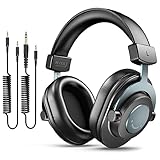

Quick comparison
Weights and dimensions below are manufacturer-published figures where available; published weights can vary depending on whether the cable is included. “Isolation” is a practical, qualitative comparison, not a standardized noise-reduction rating. Closed-back headphones reduce sound leakage, but they do not block every room noise.
| Model | Design | Published weight | Fit and isolation | Best suited to |
|---|---|---|---|---|
| Sony MDR-7506 | Closed-back, wired, foldable | About 230 g | Light and secure; on-ear pads can feel tight or warm | Voice editing and compact setups |
| Audio-Technica ATH-M50x | Closed-back, wired, folding earcups | About 285 g | Good isolation; stronger clamp and deeper fit than many lightweight options | Recording in shared or noisy rooms |
| Beyerdynamic DT 770 PRO (80 ohm) | Closed-back, wired | About 270 g, without cable | Plush fit and good isolation; large cups take up more room | Long editing sessions and desk use |
| Sennheiser HD 280 PRO | Closed-back, wired, folding | About 285 g | Firm clamp and strong passive isolation; fit is not for everyone | Monitoring in a noisy recording space |
Confirm the current specification and included cable before buying: revisions and regional packages can differ. All four are wired models, so they need no battery charging and avoid Bluetooth latency during recording.
Choose by studio situation
For editing in a small room: Sony MDR-7506
The MDR-7506 is a sensible starting point if you want a familiar, lightweight studio headphone that folds for storage. Its clear, forward presentation can make consonants, mouth noise, and edits easier to notice. That emphasis can also make some voices sound sharper than they do through speakers, so check important mixes on another playback system.
The main comfort compromise is the relatively small, on-ear style pad. It presses against the ear rather than fully surrounding it, which some people find fatiguing over a long session. Replacement pads are widely available, but a thicker replacement may change the fit and sound slightly. Choose this model for compactness and low weight, not the plushest fit.
For recording near a microphone: Audio-Technica ATH-M50x
The ATH-M50x’s closed cups and folding design make it a flexible choice for recording, editing, and moving between rooms. Its fuller low end can be enjoyable for general listening, but it may make bass-heavy speech sound more substantial than it is. Compare your voice against a second reference before making equalization decisions.
Its weight is moderate rather than minimal, and its clamp may feel firm at first. A larger cup can suit listeners who dislike an on-ear fit, but head and ear shape matter more than the model name. If possible, try the fit before committing, especially if you wear glasses or edit for several hours at a stretch.
For long desk sessions: Beyerdynamic DT 770 PRO (80 ohm)
The DT 770 PRO is worth considering when comfort takes priority over a compact footprint. Its cushioned, over-ear design and replaceable velour pads can suit extended editing, though the headphones are bulkier than the Sony and have a fixed cable. The 80-ohm version is a common choice for a home studio, but check that your computer, interface, or headphone amp can drive it to a comfortable level without distortion.
Velour pads are comfortable but collect dust and skin oils. They can also flatten with use, changing the fit and how much outside sound gets in. Treat replacement pads as a normal ownership cost, not a sign that the headphones have failed.
For a noisy room: Sennheiser HD 280 PRO
The HD 280 PRO is designed for closed-back monitoring and folds for storage. Its firm seal can help you hear a guest or a quiet recording over moderate room noise, which may let you monitor at a lower level. The same seal can feel tight or warm, however, so it is a poor blind buy if you are sensitive to clamping pressure.
No passive headphone makes a loud room silent. If traffic, appliances, or other people are audible in the microphone, solve that at the source where possible: move the microphone closer, reduce room noise, and record when the space is quieter. Turning headphones up to overpower noise can mask detail rather than improve a recording.
How to judge fit, clamp, and isolation
Weight alone does not predict comfort. Headband padding, earcup depth, pressure distribution, glasses, and heat all affect how headphones feel after an hour. A lighter on-ear headphone may bother your ears more than a heavier model that distributes pressure around them. Look for replaceable pads and a headband that can be adjusted without forcing the cups into an uncomfortable position.
- Check the seal: A glasses frame or thick hair can create a gap under the pads, reducing isolation and altering bass.
- Check the clamp: The headphones should stay in place when you turn your head, but should not cause pain or a pressure headache. Do not assume a tight fit will become comfortable.
- Check the cable: A detachable cable is easier to replace if it snags or wears out. A coiled cable can stay near a desk, but it adds pull if it hangs off the table.
- Check the recording bleed: Play the monitoring level you actually use and listen for headphone sound leaking into a microphone. Closed-back construction helps, but high volume and a sensitive microphone can still cause bleed.
A simple buying decision
| Your situation | Practical pick | Trade-off to accept |
|---|---|---|
| Small desk, occasional editing, easy storage matters | Sony MDR-7506 | On-ear pads may tire some listeners |
| One pair for tracking and everyday editing | Audio-Technica ATH-M50x | Heavier feel and a potentially firm clamp |
| Frequent, long editing sessions at a fixed desk | Beyerdynamic DT 770 PRO (80 ohm) | Bulkier fit and a fixed cable |
| Recording in a moderately noisy space | Sennheiser HD 280 PRO | Strong clamp can be uncomfortable |
For a small home studio, storage and cable routing matter too. Measure the space between your chair, microphone stand, and monitor: a large earcup can bump a mic arm when you turn your head. A simple hook or stand keeps pads from being crushed on a desk, while a short cable route helps prevent snags.
Ownership and maintenance
Earpads and cables are the parts most likely to need attention first. Wipe pads with a soft, slightly damp cloth after use, then let them air-dry completely; avoid soaking them or applying harsh cleaners. Keep sweat and skin oils from building up, and do not store headphones tightly compressed under heavy gear. Replace worn pads when they have flattened, cracked, or stopped sealing evenly.
Before each recording, check the plug, cable, and left/right balance. A loose connection can sound like a faulty recording, and a cable pulled tight across a desk is more likely to fail. For a small studio, a replaceable cable and pads can matter more over several years than a small difference in published weight.
Bottom line
Choose the Sony MDR-7506 for a light, compact editing headphone; the ATH-M50x for a versatile closed-back pair; the DT 770 PRO (80 ohm) if a cushioned fit is your priority; or the HD 280 PRO when stronger isolation matters more than a relaxed clamp. The best podcast headphones are the pair that fit your head, keep microphone bleed manageable, and let you hear speech accurately at a comfortable volume.