
What's inside
As an Amazon Associate I earn from qualifying purchases. This post may contain affiliate links at no extra cost to you.
Best Posture Correctors for Daily Support
The best posture corrector for daily support is a lightweight, adjustable shoulder brace with breathable fabric and a low-profile design—provided you can wear it comfortably and use it as a reminder, not as a substitute for movement. Choose a flexible figure-eight brace for occasional cues, a wider support vest for more even contact across the upper back, or an adjustable lumbar belt if your main concern is lower-back support.
These products vary in where they apply pressure, how easily they fit different bodies, and whether they stay comfortable beneath clothing. The comparison below focuses on those practical differences. Sizes, materials, weights, and wear times are representative ranges for common product types; individual models vary, so check the manufacturer’s current sizing chart and care instructions.
As an Amazon Associate we earn from qualifying purchases at no extra cost to you.

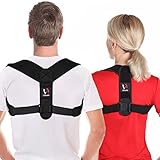


Quick comparison by support style
| Type | Typical fit range | Typical weight | Main support zone | Best suited to | Under-clothing profile |
|---|---|---|---|---|---|
| Figure-eight shoulder brace | Usually adjustable; roughly 28–48 in chest circumference | About 4–8 oz | Shoulders and upper back | Short posture reminders | Low to moderate; straps may show through thin tops |
| Upper-back support vest | Often S–XXL; commonly spans about 30–50 in chest circumference across sizes | About 6–12 oz | Upper back, shoulders, sometimes mid-back | Broader, more distributed contact | Moderate; seams and panels can show under fitted clothing |
| Elastic lumbar belt | Often adjustable; roughly 28–50 in waist circumference | About 6–14 oz | Lower back and abdomen | Removable lower-back support during tasks | Moderate to high under fitted shirts |
| Lightweight posture shirt | Usually garment sizes S–XXL; fit depends on brand | About 5–10 oz | Upper torso, through fabric tension or panels | People who prefer a shirt-like fit | Low under loose clothing; fit is less adjustable |
Measurements are broad category estimates, not guarantees of fit. A published chest or waist range does not tell you whether a brace will fit your shoulder width, torso length, or body shape. When between sizes, follow the maker’s instructions rather than assuming tighter is more supportive.
Which type fits your situation?
- For occasional desk or workshop reminders: Start with a simple, adjustable figure-eight brace. It is usually the least bulky option and can be loosened or removed quickly. Its narrow straps concentrate contact around the shoulders, so it may rub if worn too long or pulled tight.
- For broader upper-back contact: Consider a vest-style corrector with wide, padded straps and a mesh or moisture-wicking panel. It distributes contact over more area than a basic strap brace, but may feel warmer and be more noticeable beneath clothing.
- For lower-back support during a specific task: A lumbar belt may be a better match than a shoulder brace. It supports a different area; it is not an alternative for upper-back posture cues. Look for adjustable tension and a panel that sits comfortably without digging into the ribs or hips.
- For a garment-like option: A posture shirt avoids separate straps, but sizing matters more and adjustment is limited. Check the return policy and fabric composition, especially if you run warm or need to wash it frequently.
For woodworking or other hands-on tasks, consider whether the brace restricts reaching, bending, or turning. A corrector that shifts when you move or catches on clothing is unlikely to be useful during the activity. Try it first during a low-risk task, not while operating machinery or handling sharp tools.
What matters most when comparing models
Adjustability and sizing
Measure over the clothing you expect to wear under the brace, using the exact measurement point specified by the manufacturer. Check whether adjustment comes from hook-and-loop straps, buckles, or garment sizing. Hook-and-loop closures are convenient, but can lose grip as lint builds up or the fastening surface wears. A size range that only just includes your measurement can leave little room for seasonal clothing or comfortable adjustment.
Breathability and materials
Common materials include polyester mesh, nylon, elastic blends, foam padding, and hook-and-loop fasteners. Mesh can improve airflow, but it does not guarantee that a brace will feel cool; broad panels and foam can still trap heat. If you expect to wear a corrector beneath a shirt, look for smooth seams and soft edges, and consider whether the fabric can be washed without damaging elastic or fasteners.
Support zones and concealability
Shoulder braces cue the shoulders; lumbar belts wrap the waist; some vests cover more of the upper torso. Match the product’s contact area to the support you are seeking instead of choosing the most extensive-looking design. Narrow straps may be easier to conceal but can create pressure points. Wider panels spread contact, though they add bulk and can show under close-fitting clothes.
Comfort for short versus extended wear
Most people are better served by starting with brief, comfortable wear than by trying to keep a brace on all day. A product that feels tolerable for 20 minutes may become irritating under prolonged pressure, heat, or repetitive movement. Stop wearing it if it causes pain, numbness, tingling, skin irritation, or breathing discomfort; loosen or remove it rather than tightening it to force a particular position.
A practical fit and wear routine
- Check the fit chart: Measure the body area the maker specifies, and compare it with the product’s own chart. Do not rely on a generic S/M/L label.
- Put it on loosely: Align the support panels as instructed, then adjust until the brace feels secure without pulling your shoulders or restricting breathing.
- Test ordinary movement: Sit, stand, reach, and turn. If straps slide, edges pinch, or the device limits safe movement, reposition it or try another style.
- Begin with a short interval: Try around 15–30 minutes, then remove it and check for discomfort or skin marks. This is a cautious starting point, not a prescribed schedule.
- Use it as a cue: Take movement breaks and adjust your workstation or task setup where possible. A brace does not teach posture by itself, and it should not replace activity or professional advice.
Ownership: cleaning, wear, and value
Budget posture braces commonly fall around $10–$30, while more structured vests, garment-style options, or models with additional adjustment often run about $25–$70. These are broad market ranges, not a promise of quality or current pricing. A higher price does not necessarily mean a better fit.
With regular use, elastic tension and hook-and-loop grip are often the first things to deteriorate. Sweat, lint, repeated stretching, and washing can shorten their useful life. Follow the care label, close hook-and-loop fasteners before laundering, and air-dry unless the manufacturer permits machine drying. Heat can damage elastic, while fastening an open hook surface against fabric can snag it.
For example, a $24 brace worn three times a week for six months gets roughly 78 uses, or about 31 cents per use before replacement. If it becomes uncomfortable after a handful of wears, a cheaper price has not made it a practical choice. Fit, comfort, and whether you can clean it properly matter more than extra straps or a longer feature list.
When to get professional guidance
Posture correctors are general support products, not a way to diagnose or treat a health condition. If discomfort is persistent, worsening, follows an injury, or comes with numbness, weakness, or other concerning symptoms, consult a qualified healthcare professional. A clinician can help determine whether a brace is appropriate and what type of support, if any, makes sense for your situation.