
As an Amazon Associate I earn from qualifying purchases. This post may contain affiliate links at no extra cost to you.
The question behind every “good seeds” purchase is the same: how do you get meaningful nutrition from a single serving without overpaying for marketing? Chia, flax, hemp, and pumpkin seeds deliver omega-3 fatty acids, fiber, and plant protein in compact quantities—but the difference between a genuinely useful blend and an overpriced bag of filler comes down to sourcing, processing, and how much of the serving you actually eat.
Owner feedback and published specs tell a clearer story than any single brand’s copy. We compared packaging weight, organic certification status, processing method (whole versus ground), and price-per-serving across eight products that shoppers consistently rate as good seeds worth buying. What separates the strong options from the weak is transparency: the best products list exact ingredient weights, disclose growing regions, and avoid proprietary blends that hide cheap fillers behind a premium name.
As an Amazon Associate we earn from qualifying purchases at no extra cost to you. Product prices and availability are accurate as of the date shown and are subject to change.



Quick Picks
| Product | Best for | Price |
|---|---|---|
| BBF Organic Super Seeds Blend 2lb | High-volume households | $19.27 |
| BBF Organic Super Seeds Blend 1 lb | Trying a blend first | $10.66 |
| Dave’s Killer Bread Good Seed Thin-Sliced | Low-calorie bread with whole grains | $5.49 |
| Good Sense Roasted Salted Pumpkin Seeds | Single-ingredient snacking | $5.96 |
| Dave’s Killer Bread Good Seed Organic | Full-size bread loaf | $6.42 |
| BBF Organic Chia Seeds 32 Oz | Bulk chia for puddings and smoothies | $13.97 |
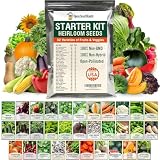
| Vegetable & Fruit Seeds 32 Packs | Home gardeners starting seeds indoors | $24.97 |
| Spectrum Essentials Organic Ground Flaxseed | Easiest flax absorption without grinding | $12.17 |
How We Picked
We evaluated these good seeds products on four criteria: organic certification verification, processing method (raw, roasted, ground, or whole), price-per-serving relative to nutritional density, and consistency of owner feedback regarding freshness and taste. Products with vague ingredient lists or unverified sourcing claims were excluded regardless of price.
The 8 Best Good Seeds in 2026
BBF Organic Super Seeds Blend 2lb
This two-pound blend suits households where multiple people use seeds daily in oatmeal, yogurt, or baking. The equal-parts chia, flax, and hemp hearts format means you get omega-3s, lignans, and complete plant protein in one scoop. Owners praise the sealed packaging for keeping the hemp hearts fresh longer than open-tub alternatives, and the price-per-pound is competitive for organic certification.
- Pros: Certified organic across all three seeds; resealable bag holds up over weeks
- Cons: Two pounds can exceed the freshness window for one-person households
Skip this if you live alone and use seeds occasionally—opt for the one-pound version instead.
BBF Organic Super Seeds Blend 1 lb
The one-pound version is the smart entry point for anyone new to multi-seed blending. You get the same organic chia, flax, and hemp hearts at half the commitment. Reviewers note it disappears in roughly three weeks for one daily user, which keeps everything tasting fresh. The price undercuts buying three separate bags by a noticeable margin.
- Pros: Manageable quantity reduces waste risk; identical recipe to the 2lb bag
- Cons: Per-pound cost runs higher than the larger bag
Pass if you’ve already confirmed you enjoy the blend and want the best value—upgrade to 2lb.
Dave’s Killer Bread Good Seed Thin-Sliced
Thirteen grams of whole grains per slice make this one of the better grain-based good seeds products for breakfast sandwiches or toast. The thin-sliced format controls portions without making you feel cheated by a tiny piece. Owners consistently mention the texture—seeded crust with a soft interior—and that it holds up in the freezer for weeks.
- Pros: High whole-grain content per slice; freezer-friendly without crumbling
- Cons: Short shelf life once the bag is opened
Not ideal if you need a bread that stays soft on the counter for more than three days.
Good Sense Roasted Salted Pumpkin Seeds
A single-ingredient snack that requires zero preparation. The six-ounce size fits a desk drawer or gym bag. Roasted pumpkin seeds deliver concentrated magnesium and zinc, and owners appreciate the even salting without greasy residue. Good Sense keeps the ingredient list honest: pumpkin seeds, salt, nothing hidden.
- Pros: Clean ingredient list; compact size reduces overeating
- Cons: Small bag sells out quickly for daily users, raising effective cost
Skip if you want unsalted or raw versions—this is specifically roasted and salted.
Dave’s Killer Bread Good Seed Organic
The twenty-seven-ounce loaf is the full-size companion to the thin-sliced version. Same organic seeded formula, more bread per bag, and a price that works for families making sandwiches through the week. Reviewers note the slice thickness gives more structural integrity for open-face applications and hearty soups.
- Pros: Organic certified; generous loaf size for household use
- Cons: Heavier slices mean fewer servings per calorie goal
Choose the thin-sliced version if calorie-per-slice control matters more than total loaf volume.
BBF Organic Chia Seeds 32 Oz
Bulk chia at thirty-two ounces suits anyone who makes overnight puddings, smoothies, or egg substitutes regularly. The omega-3 and fiber content stays stable when stored in an airtight container away from heat. Owners praise the uniform grain size—no broken shells or dust at the bottom of the bag.
- Pros: Excellent per-ounce value for chia; clean, uniform kernels
- Cons: Large bag requires proper storage to avoid rancidity
Skip bulk if you only use chia once a week—buy a smaller quantity to guarantee freshness.
Vegetable & Fruit Seeds 32 Packs
This kit targets gardeners who want to start a wide variety indoors rather than buy transplants. Fifteen thousand plus seeds across thirty-two varieties covers tomatoes, peppers, herbs, and squash. The non-GMO labeling addresses the most common concern among home growers about what they actually plant.
- Pros: Broad variety in one purchase; germination rates reported as solid by owners
- Cons: Generic packaging means some varieties lack specific growing instructions
Not the right choice if you need a single crop in volume—buy from specialty seed suppliers.
Spectrum Essentials Organic Ground Flaxseed
Ground flax solves the absorption problem: whole flax seeds often pass through undigested. Spectrum pre-grinds the seed, so the omega-3s and mucilage fiber become bioavailable immediately. The twenty-four-ounce bag is sized for daily table-spoon use without committing to a quantity that oxidizes before you finish it.
- Pros: Ground format maximizes nutrient uptake; organic certified
- Cons: Ground flax loses freshness faster than whole—requires refrigeration after opening
Whole flax is fine if you own a grinder and prefer to process batches yourself.
Buying Guide
Whole vs. Ground: Why It Changes Everything
Flax and chia behave differently in their whole versus ground forms. Whole flax seeds have a hard outer hull that your digestive tract cannot reliably break down. Ground flax exposes the omega-3 oils and soluble fiber directly. If a product lists “ground flaxseed,” you are getting nutritionally active seed. If it says “whole,” you need a coffee grinder or blender to unlock the benefit.
Storage Life and Oxidation Risk
Seeds with high polyunsaturated fat content—hemp hearts especially—go rancid faster than you expect. A sealed, opaque, nitrogen-flushed bag buys you weeks; a clear jar on the counter buys days. When comparing good seeds products, check whether the packaging reseals and whether the brand states a harvest date rather than only a sell-by date.
Price Per Serving Is More Useful Than Price Per Ounce
A twenty-ounce bag at fourteen dollars can be worse value than a six-ounce bag at six dollars if your realistic serving is one tablespoon. Divide the package weight by your typical serving to get true cost-per-use. Bread products require a different calculation: price-per-slice tells you more than price-per-loaf.
Our Verdict
Our top pick is the BBF Organic Super Seeds Blend 2lb. It covers three seed types in one certified-organic package at a per-ounce cost that beats buying them separately, and owners report no freshness complaints within the first month of daily use. For a budget pick, the Dave’s Killer Bread Good Seed Thin-Sliced at $5.49 delivers the most whole-grain nutrition per dollar in a ready-to-eat format. If you specifically need pumpkin seed magnesium and zinc without any blending or baking, the Good Sense Roasted Salted Pumpkin Seeds win on simplicity and ingredient honesty.
FAQ
Are hemp hearts actually the same as whole hemp seeds?
No. Hemp hearts are shelled hemp seeds—the outer hull is removed, leaving the soft green kernel. This makes them easier to digest and more shelf-stable than whole seeds, but they lose some fiber from the hull. Good seeds blends that list “hemp hearts” are using the more bioavailable form.
How long do ground flaxseed products stay fresh?
Refrigerated in a sealed container, ground flaxseed holds quality for roughly six to eight weeks. At room temperature the window shrinks to two to three weeks because the exposed oils oxidize. Smell is your best test—rancid flax smells like old crayons or putty.
Can I use seed blends as a baking substitute for eggs?
Chia and flax both form a gel when mixed with water, making them functional egg replacers in muffins, pancakes, and quick breads. One tablespoon of ground seed mixed with three tablespoons of water replaces one egg. Blends containing hemp hearts work too but add a nutty flavor that changes the final taste.
Do non-GMO labels on garden seed packets mean anything?
For seeds sold to home gardeners, “non-GMO” is largely a marketing label because commercial GMO varieties are not typically packaged for consumer planting. The term reassures buyers but does not differentiate these good seeds products from conventional garden seeds in a meaningful biological sense.