What's inside
As an Amazon Associate I earn from qualifying purchases. This post may contain affiliate links at no extra cost to you.
For most home workshops, the choice is between sealing the existing concrete and coating it with a two-part epoxy system. Both can produce a usable floor, but they solve different problems. A sealer is mainly a dust-control and stain-resistance treatment. Epoxy creates a thicker wearing surface that is easier to clean and more resistant to chemicals, abrasion, and dropped tools.
The right choice depends on how you use the shop, how good the slab is, and whether you are willing to do careful surface preparation. A cheap coating applied to dirty or damp concrete will fail faster than a properly applied sealer.
As an Amazon Associate we earn from qualifying purchases at no extra cost to you.

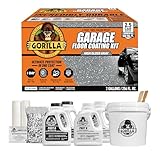
Quick comparison
| Factor | Sealed concrete | Epoxy flooring |
|---|---|---|
| Typical material cost | About $0.20–$1.00 per square foot | About $1.50–$5.00 per square foot for DIY materials |
| Preparation | Cleaning, degreasing, and usually etching | Grinding or aggressive etching, crack repair, cleaning, and moisture testing |
| Dust control | Good, if the sealer is applied correctly | Excellent once the coating is intact |
| Oil and chemical resistance | Fair to good, depending on sealer | Very good, though solvents and battery acid can still damage it |
| Repairability | Easy to recoat or patch visually | Repairs may show, and matching an aged finish is difficult |
| Failure mode | Wears thin or becomes stained | Peels or delaminates if moisture or poor preparation is present |
When sealed concrete is enough
Choose sealed concrete when the main problem is concrete dust, not severe chemical exposure. An unsealed slab constantly sheds fine powder. That dust works into drawer slides, power-tool vents, bearings, and dust-collection equipment. A penetrating hardener or concrete sealer greatly reduces this problem without changing the floor height or creating a plastic-like film.
Sealed concrete is also the sensible budget choice for a general woodworking shop, storage garage, or light fabrication area. It tolerates rolling tool cabinets and floor jacks without the peeling risk of a surface coating. If you occasionally spill oil, wipe it up rather than expecting the sealer to make the slab stain-proof.
Use a concrete floor sealer appropriate for interior slabs. Penetrating silicate or siliconate products control dust but usually do not hide stains or cracks. Film-forming acrylic sealers add more stain resistance and sheen, but they can scratch under grit and may need recoating.
Sealer will not level an uneven floor, repair spalling, or stop water vapor coming through the slab. It also will not make a cold concrete floor feel warm. Use rubber anti-fatigue mats at a workbench instead of coating the entire shop solely for comfort.
When epoxy makes sense
Epoxy is worth considering for automotive work, metalworking, engine rebuilding, or any shop where oil, coolant, cutting fluid, and wet cleaning are routine. Its continuous surface makes sweeping and mopping easier, and a light-colored finish improves visibility under workbench lighting.
A broadcast-flake system can also add texture and hide minor dirt. For a workshop, avoid an excessively glossy finish if possible. Glare from overhead LED fixtures is distracting, and a smooth wet epoxy surface can be slippery. If you use a clear topcoat, choose a product with aggregate intended for foot traffic.
Epoxy has important limits. Sunlight can yellow some formulations, so it is a poor choice for an open-sided or frequently sunlit garage unless the system includes a UV-resistant topcoat. Hot tires, welding sparks, dragged steel, and a dropped heavy vise can damage the finish. Epoxy is tough, not indestructible.
For better traction, look at epoxy anti-slip aggregate. Apply it sparingly and evenly. Too much grit makes sweeping harder and can catch the small wheels on tool carts.
Preparation determines the result
Do not apply either product to a slab that is visibly damp, greasy, or dusty. Remove oil with an alkaline concrete degreaser, scrub it into the pores, and rinse thoroughly. Let the floor dry completely. A simple plastic-sheet test—taped tightly to the slab for about 24 hours—can reveal condensation or vapor. Moisture problems require a coating system rated for that condition; ordinary epoxy will often blister or peel.
New concrete should generally cure for at least 28 days, and sometimes longer depending on the product. Test for curing compounds, paint, and previous coatings before proceeding. For epoxy, mechanical diamond grinding is usually more reliable than acid etching because it opens the surface and removes weak concrete. If you rent a grinder, use a HEPA dust extractor vacuum and seal nearby tools and shelving from dust.
Repair cracks and spalled areas with compatible concrete repair material. Do not expect epoxy to bridge moving cracks. Mark control joints and honor them through the coating with the manufacturer’s recommended joint sealant. Apply within the stated temperature and humidity range; a cold slab can leave epoxy tacky, while excessive humidity can cloud the finish.
How the floor affects the rest of the shop
Floor finish is only one part of a workable workshop. Keep the area around the dust collector clear and route hoses or ducting so they do not cross walking paths. A smooth sealed floor makes sweeping fine dust easier, but it does not replace source capture at the tool. Use a properly sized collector, blast gates, and a fine-particle filter where needed.
Heavy storage should sit on stable bases rather than small casters that concentrate load. Put leveling feet or wide wheels under a workbench, and leave enough clearance to sweep beneath it. A light gray floor usually shows sawdust and dropped hardware better than dark gray or decorative black coatings.
For lighting, use bright, evenly distributed LED fixtures rather than relying on a single central lamp. A matte sealer or satin epoxy reduces reflected glare. Keep at least 36 inches of clear working space around benches where possible, and protect cords with overhead drops or low-profile covers.
A practical buying decision
Seal the concrete if you are building a woodworking or general-purpose shop, want the lowest cost, and can live with stains and visible repairs. Spend the extra money on dust collection, task lighting, and a solid workbench; those upgrades usually improve the shop more than an expensive floor.
Choose epoxy when frequent oil spills, wet cleaning, and chemical exposure justify the preparation and cost. Buy a complete compatible system rather than mixing a random primer, base coat, flakes, and topcoat. If the slab has persistent moisture, major movement, or severe spalling, fix those conditions first—or use a simpler sealer until the floor can be properly rebuilt.