4 Best Champion Inverter Generators (November 2026)
Compare the best champion inverter generator models for camping, RV trips and home backup, from ultralight 2500-watt units to 4500-watt RV-ready machines.
Compare the best champion inverter generator models for camping, RV trips and home backup, from ultralight 2500-watt units to 4500-watt RV-ready machines.
As an Amazon Associate I earn from qualifying purchases. This post may contain affiliate links at no extra cost to you.
Champion inverter generators have become a familiar sight at campsites and RV parks, and the reason is simple: they cost less than the premium brands while still delivering clean power, quiet operation and carbon-monoxide protection. The lineup runs from ultralight 2500-watt units you carry with one hand to 4500-watt RV-ready machines that run an air conditioner. Choosing between them is mostly a question of how much power you need and how far you want to carry it, so the right size depends on the loads you actually run, not the biggest number on the box.
This guide is for campers, RV owners and homeowners who want quiet backup power without paying a premium. Every generator below was chosen from the name and specifications shown on its Amazon product page, with attention to starting watts, running watts, fuel capacity and run time. We compare four Champion inverter generators that cover tailgates, campsites, RV trips and home backup, with run times and fuel options checked against the listings.
Quick Picks
As an Amazon Associate we earn from qualifying purchases
Product
Best for
Key spec from title
Champion 2500-Watt Ultralight 201317
Lightest camping power
2,500 starting watts
Champion 2500-Watt Dual Fuel 201323
Propane or gasoline camping
Dual-fuel operation
Champion 4500-Watt RV Ready 200986
RV air conditioning
4,500 starting watts
Champion 4500-Watt Remote Start 201324
Starting from inside the RV
Wireless remote start
How to Choose
Starting Watts and Running Watts
Champion rates each generator in starting watts and running watts, and the gap between the two matters most for motor-driven loads. An RV air conditioner can draw double its running watts for a second at startup, so a 4500-watt machine starts it where a 2500-watt unit would trip. Add up the running watts of everything you plan to use at once, then add the largest single startup surge. If the total sits near the generator rating, step up a size or stagger your loads so the air conditioner starts before the microwave runs. Start the air conditioner first, before other loads, so its surge does not stack on top of a running fridge.
Inverter Power and Quiet Operation
Inverter generators produce a stable sine wave that suits laptops, phones and RV electronics, and they adjust engine speed to the load so they run quieter and use less fuel than open-frame units. Champion’s inverter models run at noise levels that suit a campground, which matters when quiet hours start at dusk. The clean output also protects the sensitive electronics in modern RVs and tool battery chargers, which is why inverter power is worth the extra cost over a conventional generator of the same wattage. The slower engine speed at light loads also means less vibration through the campsite table and a longer night of quiet power.
Fuel Type, Tank Size and Run Time
Gasoline is easy to find on the road, while dual-fuel models add propane for longer storage life and cleaner burning during long standby periods. A larger tank stretches run time through the night, which matters for an RV air conditioner that runs for hours. Check the listed run time at a quarter load, since that figure matches real camping use better than a full-load number. Buy fresh gasoline for each season, use up stored cans before they age, and exercise the machine under load every few months so it fires up on the first pull when a trip arrives. A dated label on each can shows which fuel to use first.
Generator Safety and CO Shield
Carbon monoxide is the real hazard with any generator, and the listings for these Champion models name the CO Shield system that shuts the engine down when exhaust gas builds up around the unit. Even with that protection, always run a generator outdoors and far from windows, doors and vents, and never inside a garage, tent or RV. Wait for the engine to cool before you refuel, pour fuel well away from the hot exhaust, and test the overload protection and low-oil shutdown before each trip so both respond when they are needed. A carbon-monoxide alarm inside the RV adds a second layer of warning if exhaust drifts toward the door.
The 4 Best Options
Champion 2500-Watt Ultralight 201317
Top Pick
Champion 2500-Watt Ultralight 201317
Best for: Lightweight camping power and small RV loads.
The 201317 is the lightest generator in this group, and it carries easily with one hand from truck to campsite. Its 2,500 starting watts run a small RV fridge, lights and battery chargers, while the inverter output stays clean for phones and laptops. The engine slows under light loads to stretch a tank across a long evening, and the CO Shield system adds protection at the campsite. It is the right pick when weight matters more than maximum output. The light frame also fits in a crowded truck bed beside coolers and chairs, and the small tank is quick to top up at a campsite.
Watch out for: The output covers light loads only, so an RV air conditioner needs a larger machine or a parallel kit.
Champion 2500-Watt Dual Fuel 201323
Runner-Up
Champion 2500-Watt Dual Fuel 201323
Best for: Camping with a choice of gasoline or propane.
The 201323 adds dual-fuel flexibility to the ultralight 2500-watt design, running on gasoline or propane with the same quiet inverter output. Propane stores for years without going stale, which suits a generator that sits in the garage between trips, while gasoline gives full output for the biggest loads. The compact frame and light weight make it easy to carry, and the CO Shield system shuts the engine down if exhaust gas builds up. It is the best fit for campers who want fuel choice without carrying a heavier machine. The compact frame carries with one hand, and a propane can from the grill can power the campsite too.
Watch out for: Propane output is slightly lower than gasoline, so size your loads for the propane figure if that is your usual fuel.
Champion 4500-Watt RV Ready 200986
Champion 4500-Watt RV Ready 200986
Best for: RV trips with air conditioning and full hookups.
The 200986 is the RV-ready machine in this group, with 4,500 starting watts that handle an air conditioner, a fridge and lights together. Its electric start fires the engine at the push of a button, and the inverter output stays clean for RV electronics. The larger tank runs through the night, and the CO Shield system protects the campsite. It is heavier than the 2500-watt models, but the wheels and handle make it manageable on flat ground. The larger tank runs through the night without a refill, and the electric start saves a cold-morning pull on a stiff recoil cord, and the wheels carry the weight across flat ground.
Watch out for: The weight needs the wheels and a flat path, so loading it into a truck bed takes two people or a ramp.
Champion 4500-Watt Wireless Remote Start 201324
Champion 4500-Watt Wireless Remote Start 201324
Best for: RV owners who want to start the generator from inside.
The 201324 adds wireless remote start to the 4500-watt RV-ready design, so you can start or stop the generator from inside the RV without walking out in the rain. Its 4,500 starting watts run an air conditioner and the usual RV loads, and the inverter output stays clean for electronics. The larger tank covers a full night of use, and the CO Shield system shuts the engine down if exhaust gas builds up around the unit. It is the most convenient machine here for RVers who value comfort as much as power. The remote also stops the engine from the doorway on a rainy night.
Watch out for: The remote needs its battery checked before a trip, and the unit is heavy to lift without help.
Which One Fits Your Situation
Lightweight Camping
Pick the 201317 when you carry the generator to the campsite and every pound counts. It powers lights, chargers and a small fridge without the weight of a larger machine, and it stores in a truck bed corner. Keep loads light and it will run quietly all evening. It powers lights, chargers and a small fridge without the weight of a larger machine, and it stores in a truck bed corner between trips.
Fuel Choice for Long Storage
Pick the 201323 when the generator sits unused for months between trips. Propane stores for years and starts reliably after long storage, while gasoline stays available for maximum output on the road. It is the same light frame as the ultralight model, with the added flexibility of two fuels. Propane stores for years and starts reliably after long storage, while gasoline stays available for maximum output on the road.
RV Air Conditioning
Pick the 200986 when the RV air conditioner must run through a hot night. The 4,500 starting watts handle the compressor surge, and the larger tank covers hours of use. Electric start makes it easy to fire up, and the wheels handle the move from truck to campsite. The 4,500 starting watts handle the compressor surge, and the larger tank covers hours of use without a midnight refill on a hot night.
Convenience From Inside the RV
Pick the 201324 when you want to start and stop the generator without stepping outside. The wireless remote is the difference that matters on rainy nights and cold mornings, and the output matches the RV-ready model. Keep the remote battery fresh and the generator placed well away from the RV. The wireless remote is the difference that matters on rainy nights and cold mornings, and the output matches the RV-ready model.
Common Mistakes
Sizing a generator by running watts only, then tripping it when the air conditioner compressor starts at the worst moment.
Setting a generator up in a garage or beside an open window, where exhaust fumes can gather out of sight.
Storing gasoline for months without stabilizer, then finding the generator will not start on the first trip of the season.
Choosing the lightest generator for an RV, then discovering it cannot start the air conditioner on the first hot night.
Forgetting to check the remote start battery before a trip, then walking out to the generator in the rain anyway with a dead remote in hand.
Frequently Asked Questions
Can a 2500-watt generator run an RV air conditioner?
A 2500-watt generator generally cannot start a standard RV air conditioner, which needs a large surge at startup. A 4500-watt generator handles most RV air conditioners with margin for lights and a fridge. Some owners add a soft-start kit, which cuts the startup surge.
How long will a Champion inverter generator run on one tank?
Run time depends on the load, so the quarter-load figures are the most useful guide. The 2500-watt models run up to about 11.5 hours at light load, while the 4500-watt models run up to about 14 hours.
Is dual fuel worth it for a camping generator?
Dual fuel is worth it when the generator sits unused for months, since propane keeps for years without going stale. Gasoline delivers full output for the biggest loads, while propane starts reliably after long storage. If you use the generator often, a gasoline-only model is simpler.
Can I parallel two Champion inverter generators?
Yes, Champion inverter generators can be paralleled with a kit to double the output, which lets two 2500-watt units run an air conditioner together. The kit connects the two machines into one outlet. Start with one light unit, then add a second when the RV needs more capacity.
J
JD's Woodworks Editorial Team
We compare specs, warranty terms, long-term owner feedback and street pricing before anything earns a spot. Rankings are never paid.
Affiliate disclosure. As an Amazon Associate we earn from qualifying purchases at no extra cost to you. Prices accurate as of the date shown.
Table saws under the 1500 mark compared: the Grizzly G0771Z and Shop Fox W1837 hybrid saws with cast iron tables, 2 HP motors and T-square fences, specs from their listings.
Table saws for fine woodworking compared: the SawStop Professional Cabinet Saw and Powermatic PM1000, judged on fence precision, table flatness and vibration from listing specs.
Table saw combos explained: saws sold with a stand and accessories in one listing, what to check in the box, and which bundle fits your shop or jobsite.
Compare the best planer digital thickness gauges and digital readout kits for portable planers, with fit, resolution and mounting checks before you buy.
Model table saws for scale modelling and hobby work compared: the precision Proxxon FET 37070 and the compact Saker mini table saw, with specs taken from their Amazon listings.
Three CoreXY 3D printers for product development, each with the architecture stated on its listing: an enclosed multicolor machine, a large-format enclosed model and a heated-chamber model.


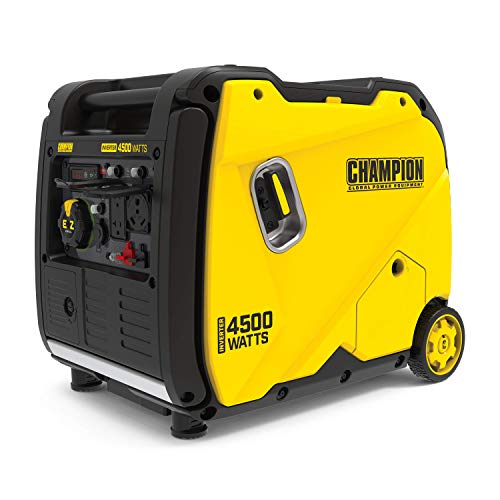
 Champion 4500-Watt Wireless Remote Start 201324









