
What's inside
- The best all-mountain skis depend on where you ski most: choose roughly 85–95 mm underfoot for firm, mixed resort snow, or 96–105 mm for frequent soft snow and off-piste laps.
- Quick picks by situation
- Compare the trade-offs
- Choose width for your actual terrain mix
- Match rocker and flex to skill, weight, and snow
- Length: a practical fit check
- Decision matrix: start with your most common ski day
- Ownership details that affect the choice
- Bottom line
As an Amazon Associate I earn from qualifying purchases. This post may contain affiliate links at no extra cost to you.
The best all-mountain skis depend on where you ski most: choose roughly 85–95 mm underfoot for firm, mixed resort snow, or 96–105 mm for frequent soft snow and off-piste laps.
For a versatile one-ski setup, start with a medium-width ski whose rocker, flex, and length suit your weight and ability—not simply the widest model you can find. The picks below are established models, but exact widths, lengths, weights, and construction vary by model year and size, so check the current manufacturer specifications before buying.
Quick picks by situation
- Mostly groomers, occasional soft snow: Choose a frontside-leaning all-mountain ski around 85–92 mm underfoot, with modest tip rocker and a supportive flex.
- One ski for varied resort conditions: Look at the Nordica Enforcer 94 or Blizzard Rustler 9. Both target mixed terrain, but differ in feel and construction.
- More soft snow and playful turns: The Salomon QST 98 or a similar ski around 96–100 mm offers more float without moving into a dedicated powder width.
- Newer or lighter skier: Prioritize a manageable flex and a length you can turn confidently over a metal-heavy, demanding build.
Compare the trade-offs
The dimensions below are representative waist widths, not a complete specification sheet. Ski weight is especially size-dependent; compare the same length when evaluating listed weights. Manufacturers may revise designs between model years.
As an Amazon Associate we earn from qualifying purchases at no extra cost to you.

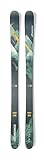
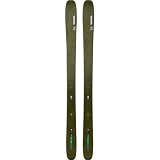
| Model | Representative waist | Typical design emphasis | Good fit when… |
|---|---|---|---|
| Nordica Enforcer 94 | 94 mm | Damp, powerful, supportive | You ski fast, prefer firm snow, and want stability in variable conditions. |
| Blizzard Rustler 9 | 96 mm | All-mountain balance with a more maneuverable feel | Your days mix groomers, bumps, and occasional soft snow. |
| Salomon QST 98 | 98 mm | Versatile, freeride-oriented shape | You want extra soft-snow capability and a less strictly frontside focus. |
| Elan Ripstick 96 | 96 mm | Lightweight, easy-turning feel | You value quick direction changes and a ski that feels less demanding. |
These are starting points, not a universal ranking. A ski’s full shape, construction, and tune matter alongside waist width. A 96 mm ski with substantial rocker may feel very different from a more traditional ski of the same width.
Choose width for your actual terrain mix
Waist width affects edge-to-edge response and support in soft snow. Narrower skis usually roll onto an edge faster and feel more precise on firm groomers. Wider skis provide more platform in loose snow, but can take more effort to tip and may feel slower in quick, linked turns.
- About 80–90 mm: A sensible range if groomers and firm snow dominate and soft snow is occasional.
- About 90–98 mm: A practical middle ground for a resort skier who encounters mixed conditions and wants some off-piste freedom.
- About 98–105 mm: Consider this when soft snow, bowls, and ungroomed terrain are frequent priorities. It is still usable on piste, but less nimble on hard snow than a narrower option.
Think in terms of days, not best-case conditions. If most of your skiing is on firm trails, buying a wide ski for the handful of deep-snow days can make the everyday experience less enjoyable.
Match rocker and flex to skill, weight, and snow
Rocker describes an early rise in the tip or tail. Tip rocker helps a ski release and pivot, and can make turn initiation feel easier in soft or uneven snow. A flatter, longer effective edge tends to provide more grip on firm pistes. Tail rocker can make turns easier to release, while a flatter tail often feels more locked-in and supportive at the finish.
Flex affects how much force is needed to bend and control the ski. A softer or more forgiving ski can suit a lighter skier or someone still building technique. A heavier or more advanced skier may overpower a soft ski, particularly at speed; a stiffer, damp model can offer more support, but it may punish hesitant technique. “Stiff” is not a standardized number across brands, so use intended-skill guidance and, if possible, compare skis in person.
Weight is a useful clue, not a rule. If you are light for your height, or ski cautiously, avoid choosing a long, demanding ski just because a size chart allows it. If you are heavier, aggressive, or carry speed, a too-short or very soft ski may feel unstable. Your boot fit and ability to pressure the ski also matter.
Length: a practical fit check
For many adult all-mountain skis, a starting length falls somewhere between the skier’s chin and forehead, but that shortcut cannot account for every design or skier. Use the brand’s size chart, then adjust for ability, weight, and terrain:
- Consider the shorter end if you are newer, lighter, prefer tight turns, or want easier maneuverability.
- Consider the longer end if you ski quickly, are heavier, value stability, or often ski open terrain.
- Rockered skis may feel shorter on firm snow than a traditional ski of the same overall length because less edge contacts the snow.
Example: Suppose a 75 kg intermediate skier is choosing between two lengths of the same model. If the skier mainly makes moderate turns on groomers, the shorter manufacturer-recommended option may be easier to manage. If they ski faster and spend more time in open, uneven terrain, the longer option may provide more support. The manufacturer’s size chart and a shop’s advice should settle the final choice—not weight alone.
Decision matrix: start with your most common ski day
| Your situation | Prioritize | Likely direction |
|---|---|---|
| Beginner or cautious intermediate | Forgiving flex, manageable length, easy turn release | Narrow-to-mid width; moderate tip rocker |
| Confident piste skier, occasional off-piste | Edge grip and quick response | About 85–94 mm; supportive flex |
| Mixed resort terrain, bumps, and soft snow | Balance of maneuverability and float | About 94–100 mm; tip rocker with a supportive middle |
| Heavier or fast skier | Stability and adequate support | Consider a longer size or sturdier construction, within the maker’s range |
| Frequent soft snow and freeride terrain | Float and pivoting ease | About 98–105 mm or wider if conditions warrant |
Ownership details that affect the choice
Edges and bases wear with use, especially on rocky or thin-cover days. A base can be repaired, but deep damage and edge wear add shop costs over time. Keep skis dry after a day out, store them away from damp conditions, and have a shop check the edges and base when they become visibly damaged or performance changes. Avoid storing skis with wet, tightly cinched brakes or straps pressing into the bases.
Bindings are not a do-it-yourself adjustment item: mounting and release settings depend on the boot, skier, and binding, so use a qualified ski shop. Also budget for compatible boots and a proper fit; an excellent ski cannot compensate for boots that are too loose or uncomfortable. Before purchasing, confirm that the model’s available length, binding compatibility, and current construction match your needs.
Bottom line
For many resort skiers, the best all mountain skis sit around 90–98 mm underfoot, with enough rocker to handle mixed snow and enough support for the skier’s weight and pace. Choose narrower and more precise for mostly firm pistes, wider and more rockered for frequent soft snow, and a more forgiving flex if you are still developing. The right pick is the one that fits your ordinary ski days—not the one with the biggest number or the most demanding construction.