What's inside
As an Amazon Associate I earn from qualifying purchases. This post may contain affiliate links at no extra cost to you.
In a small woodshop, dust control is mostly a cleanup problem. A collector that runs only while the saw is cutting will not remove the fine dust that settles on the bench, floor, shelves, and stored tools. The best setup combines source capture, quick cleanup, and storage that keeps dust from becoming a second cleanup job.
As an Amazon Associate we earn from qualifying purchases at no extra cost to you.



Start at the Source
Capture dust where it is made before it spreads. A 2.5-inch hose works well for many benchtop machines and sanders, while a 4-inch hose is better for a table saw, planer, jointer, or router table. Reducing a 4-inch collector hose to a narrow port can restrict airflow enough to leave chips behind, so use the largest practical hose for each machine.
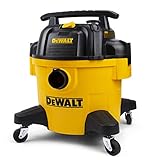
A shop vacuum with a cyclone separator is a sensible starting point for a small shop. The separator catches most chips before they reach the vacuum filter, preserving suction and reducing filter cleaning. It is especially useful with a router, random-orbit sander, miter saw, and portable planer. For a stationary table saw or planer used frequently, a dedicated dust collector generally moves more air and handles larger chips better.
Use a shop vacuum and cyclone separator when floor space and budget are tight. The cheaper option is fine if you work in short sessions and empty the container often. A separator is not a substitute for a filter: fine dust still needs a pleated cartridge filter and, ideally, a fine-dust or HEPA-rated exhaust filter.
Cleanup Tools Compared
| Tool | Best use | Limitations |
|---|---|---|
| Shop vacuum | Fine dust, sanding dust, small machines | Limited airflow; loud; filter clogs quickly without a separator |
| Dust collector | Table saws, planers, jointers, router tables | Takes more room and needs ducting or hose management |
| Floor sweep attachment | Fast chip collection near a bench or machine | Does not capture airborne fine dust |
| Soft brush and dustpan | Benches, shelves, and delicate surfaces | Can put fine dust back into the air if used aggressively |
| Air cleaner | Fine suspended dust after cutting or sanding | Cannot collect settled chips or replace source capture |
Use the Right Cleanup Sequence
Do not start with a broom. Sweeping is quick, but it turns settled fine dust into airborne dust that can remain suspended for hours. First let the machine stop, keep the collector running for another 15 to 30 seconds, and remove the largest chips with a floor sweep attachment or dustpan.
Then vacuum the bench, machine tables, and floor. A floor sweep attachment for a shop vacuum is one of the most useful inexpensive additions. Mount it near the main work area if possible. A fixed sweep inlet lets you push chips into one spot instead of dragging a hose around the shop.
For benches and tool surfaces, use a soft-bristle bench brush and vacuum hose rather than compressed air. Blowing dust off a workbench sends it into bearings, drawer slides, electrical equipment, and your lungs. Compressed air is acceptable for a limited job, such as clearing a protected machine area outdoors, but it is a poor everyday cleanup method.
When sanding, vacuum directly at the sander and empty the vacuum before airflow drops. A clogged filter can make a good sander look ineffective. Tap or clean the filter outside, following its instructions; do not wash a paper filter unless the manufacturer specifically allows it.
Control the Fine Dust That Escapes
Large chips are easy to see. Fine dust is the greater health and housekeeping problem because it settles slowly and gets redistributed by walking, fans, and opening drawers. If your shop has a ceiling-mounted air cleaner, choose one with a stated air-delivery rating and run it during work and for at least 30 minutes afterward.
Do not judge an air cleaner by its fan size alone. Filter area, sealing, and replacement-filter cost matter. A unit that moves a lot of air through a poorly sealed filter may perform worse than a slower unit with a well-fitted cartridge. In a very small shop, a portable air cleaner can be cheaper and easier to maintain than a ceiling-mounted unit.
Use a woodworking air cleaner only as a secondary layer. It will not remove dust sitting on a shelf, and it cannot compensate for an open dust port or leaking hose connection.
Store Cleanup Gear Where You Use It
Cleanup gets skipped when the tools are buried. Hang the vacuum hose on a large hook beside the main bench, keep the floor sweep where chips collect, and store brushes and dustpans at waist height. A short hose is easier to handle than a long hose that coils across the floor, but leave enough length to reach each machine without stretching connections.
Use sealed bins or drawers for sandpaper, router bits, measuring tools, and abrasives. Open shelves collect dust quickly, especially above a table saw or sander. If open storage is necessary, keep frequently used items in lidded plastic bins and reserve shelves for bulky tools that can be wiped down.
Label vacuum accessories and keep one dedicated hose for fine dust if you also use the vacuum for rough construction debris. Grit left in a hose or floor nozzle can scratch finished work. A simple wall-mounted rack is usually better value than a rolling accessory cart in a small shop because it preserves walking space.
Maintenance and Safety Checks
Inspect hoses for cracks, loose cuffs, and crushed sections. Even a small leak near a sander can reduce capture noticeably. Seal permanent joints with foil HVAC tape or proper clamps, not ordinary cloth duct tape, which dries out and peels.
Empty the collector before the container is full. A cyclone separator often works best when emptied around two-thirds full; a packed container can reduce airflow and make chips back up into the hose. Check filters monthly, or more often if you sand heavily. Wear a properly fitted respirator rated for fine particulates during dusty work, even when collection is running.
The goal is not a spotless shop after every cut. It is a setup that keeps dust at the tool, makes the remaining chips quick to remove, and prevents fine dust from being stored on every surface. Spend first on a sealed collection path, a separator, and an easy-to-reach vacuum hose. Add an air cleaner and enclosed storage when those basics are working.