What's inside
As an Amazon Associate I earn from qualifying purchases. This post may contain affiliate links at no extra cost to you.
A floor-standing drill press makes chips in a small area, but they can scatter across the table, collect in its T-slots, and fall around the base. The usual shop-vac nozzle is often awkward to hold in place while you work. A useful setup catches chips close to the bit without getting in the way of the table, fence, or workpiece.
What you need to collect
Drilling wood produces chips and fine dust; drilling metal produces heavier swarf and sharp chips. A dust collector or shop vac can capture wood debris, but neither makes it safe to vacuum hot metal chips or flammable dust without checking the equipment and filter. For metal, brush or sweep chips into a suitable container, and keep them out of a wood-dust collector.
For ordinary woodworking, prioritize capturing debris at the bit and clearing the table afterward. A small hood positioned near the work is more effective than a large collector connected to an opening several feet away. Fine dust still escapes, especially with larger bits or deep holes, so collection is not a substitute for shop ventilation or respiratory protection when conditions call for it.
Choose a collection setup
The right arrangement depends on how often you use the press, what you drill, and what collection equipment you already own. A shop vac is usually enough for an occasional user. A dedicated dust collector is quieter at the nozzle and better suited to longer sessions, but its hose can be bulky at the press.
| Setup | Best for | Advantages | Trade-offs |
|---|---|---|---|
| Handheld or magnetic nozzle | Occasional drilling and varied work | Low cost; easy to reposition | Needs attention; can obstruct the work |
| Flexible hose with a movable hood | Regular woodworking | Captures close to the bit; hands stay free | Needs a stable mount and hose routing |
| Fixed hood or enclosure | Repeated drilling at a set table height | Consistent positioning; tidy setup | Can limit access to large or awkward stock |
If you need a simple starting point, a flexible shop-vac nozzle can be held or clamped beside the bit. For regular use, a small flexible dust-collection hose paired with a hood gives you a hands-free option. Check your vacuum’s inlet size before buying adapters; nominal hose diameters and fittings do not always match.
Position the hood
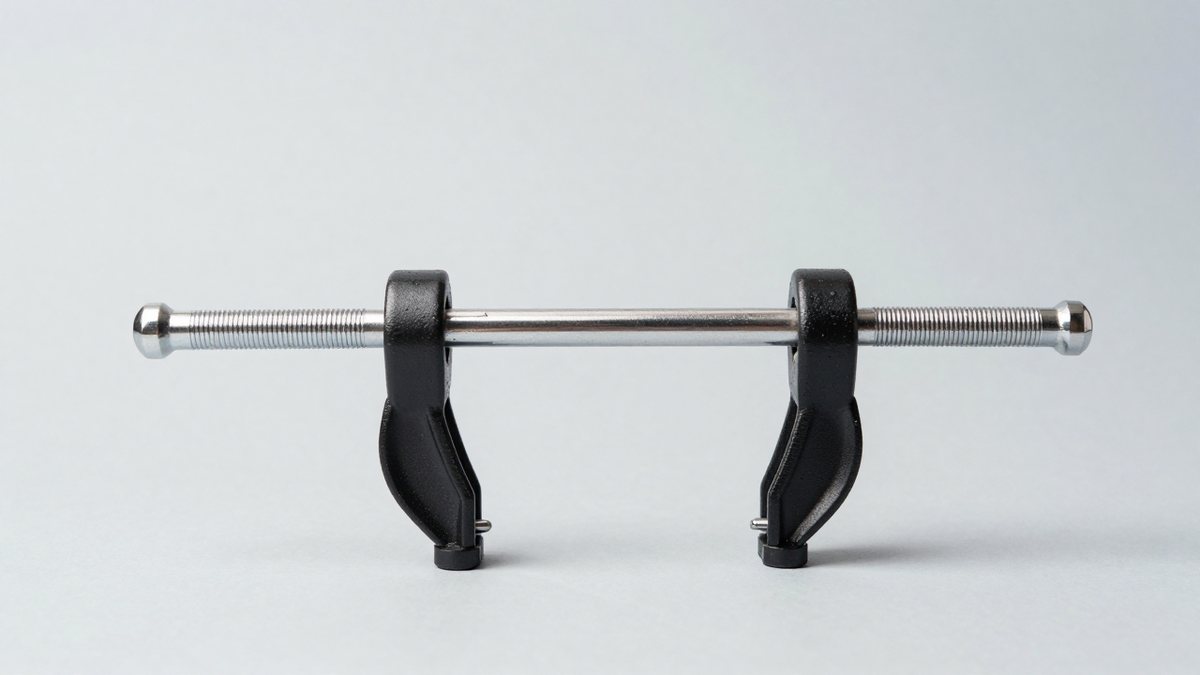
Mount the hood to the column, table bracket, or a separate arm fixed to the bench. Keep it adjustable: drill-press tables move, tilt, and rotate, and stock thickness changes the distance from the bit to the table. A flexible arm, magnetic base, or clamp-mounted bracket lets you move the inlet without rebuilding the setup.
Start with the opening about 1 to 2 inches from the bit, off to one side and slightly behind the cutting point. It should be close enough to catch chips as they leave the hole, but not so close that the bit, chuck, or workpiece can hit it. Rotate the hood by hand through the full range of table and quill movement with the machine unplugged. Also lower the quill fully and check clearance before drilling.
A 1- to 1½-inch hose is easier to position than a large collector hose, but it can clog with long shavings or chips from broad bits. If you regularly drill larger holes, use a wider hood opening or move the nozzle farther from the cutting area. Do not let a narrow nozzle touch the workpiece or trap chips against the bit.
Mounting and hose routing
A magnet-mounted arm is convenient on a steel column, but it may slip if the hose pulls sideways. Clamp the hose or support the arm so the magnet carries little load. A clamp attached to the table support is often more secure, though it can interfere with table adjustment. Avoid drilling into the press column: it can damage the machine and may weaken a part that should remain intact.
Route the hose away from the belt cover, feed handles, and the operator’s hands. Leave enough slack for table movement, but not a loose loop that can catch a spinning chuck. Before switching on, turn the chuck by hand and move the table through its useful positions to check for snags. If you use a shop vac, keep its exhaust from blowing dust back toward the work.
A magnetic flexible arm can work as a low-cost holder, but many are designed for light loads. Test it with the hose attached and reposition it if it droops. A rigid clamp or purpose-made articulated support is a better buy when you adjust the table often.
Shop vac or dust collector?
For short drilling jobs, a shop vac with a clean filter is usually adequate. A clogged filter reduces airflow, and a nearly full bin can let debris reach the filter quickly. Empty the bin and check the filter when suction at the hood drops. A fine-dust filter or bag can reduce what escapes from the vac, but it does not make poor capture at the bit effective.
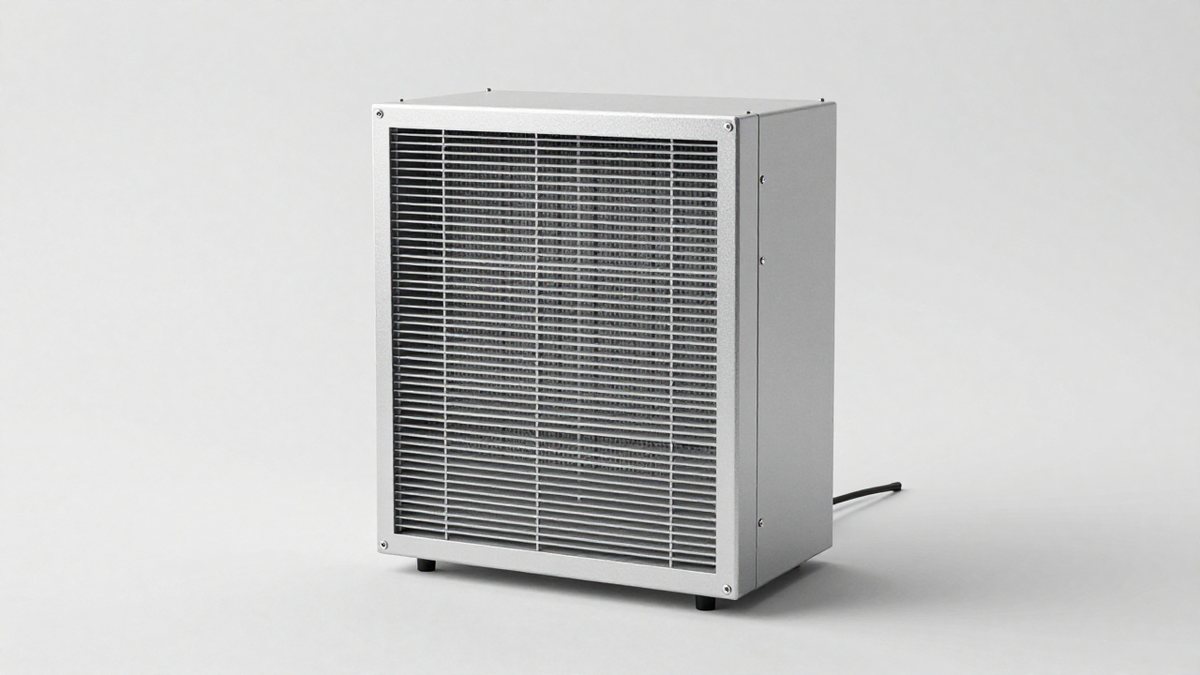
A larger dust collector can move more air through a wider hood, but a large hose near the press may be cumbersome. Use a reducer only if the hood and hose remain practical; a small branch can still collect chips if it is positioned close, but excessive restriction can cut airflow. If you are buying a collector mainly for the drill press, consider whether you will also use it at a sander or other tools. Otherwise, the cheaper shop-vac setup is often the sensible choice.
Safe use and cleanup
Secure the workpiece with a drill-press vise or clamps, especially when drilling metal or using a hole saw. Never hold small stock by hand: a spinning bit can grab it and whip it around. Keep the hood and hose outside the chuck’s path, tie back long hair, and avoid loose sleeves. Disconnect power before moving a mount near the spindle or clearing a jam.
After drilling, stop the machine and let the spindle come to a full stop before brushing chips away. Use a brush rather than your fingers, and do not sweep sharp metal swarf into a wood-dust system. Inspect the hose for blockages after drilling deep holes or using bits that make long chips. If the hood repeatedly misses debris, first adjust its angle and distance; increasing collector size will not fix a nozzle aimed away from the cutting point.
FAQ
Shop vac or dust collector?
Related guides
More from Amazon
Programs that pair well with the guide above. Offers and eligibility are set by Amazon and may change.
A free business account with business pricing and bulk-buying tools for work, shop or home office.
Create a business accountFree shipping on eligible items, Prime Video and more. Eligible new members can start with a free trial.
Start a Prime free trialAudiobooks and podcasts to listen to on the go. Eligible new members can start with a free trial.
Try Audible freeAd-free music streaming. Eligible new subscribers can start with a free trial.
Try Music Unlimited freeAs an Amazon Associate we earn from qualifying purchases.