What's inside
As an Amazon Associate I earn from qualifying purchases. This post may contain affiliate links at no extra cost to you.
The Basic Choice
Foam tool inserts and adjustable dividers solve the same storage problem in different ways: they stop tools from sliding around in a drawer. Foam gives each tool a shaped home. Dividers create compartments that you can rearrange as the collection changes.
For a fixed set of high-use tools, foam is cleaner and faster to use. For mixed hardware, growing tool collections, or drawers that need frequent reorganization, dividers are usually the better buy. The right choice also depends on drawer depth, tool weight, shop dust, and whether you need to see missing tools at a glance.
As an Amazon Associate we earn from qualifying purchases at no extra cost to you.

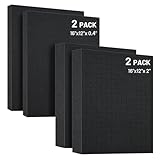

How Foam Tool Inserts Work
Most drawer inserts use layered polyethylene or cross-linked foam. You cut or peel the top layer to fit each tool, often leaving a contrasting color underneath. A properly cut insert shows an obvious empty outline when a wrench, driver, or plier is missing.
The strongest advantage is retention. A socket set or measuring tool stays in its own pocket when the drawer opens quickly. Foam also prevents metal tools from knocking into one another, which matters for precision squares, calipers, and polished tools. It can reduce rattling in a mobile tool cart.
The drawback is commitment. Cutting an insert takes planning, and the layout becomes inefficient when you replace tools with longer or bulkier versions. A foam pocket that fits a 10-inch adjustable wrench may be useless for a 12-inch model. Leave at least 10 to 15 percent open space in a new layout rather than packing every square inch.
Foam is not automatically suitable for every shop. Fine sawdust and sanding dust collect in the pockets, especially around pliers and ratchets. Some inexpensive open-cell foam absorbs oil and moisture; that can leave a dirty, swollen insert and promote corrosion on tools stored wet. For a working shop, look for closed-cell polyethylene foam and wipe tools before putting them away.
If you want a purpose-built layout for hand tools, compare tool drawer foam inserts by thickness and density, not just color. A 20- to 30-mm insert is common for shallow and medium drawers. Measure the usable drawer height first; the foam should not press against the drawer top when closed.
How Adjustable Dividers Work
Adjustable systems use plastic or metal rails, clips, pegs, bins, or spring-loaded dividers. You set boundaries around groups of tools instead of cutting an outline for every item. Dividers are particularly useful for sockets, drill bits, abrasives, electrical connectors, and plumbing parts.
Their main benefit is flexibility. Move a divider in seconds when a compartment fills up. You can also reserve one section for new tools without rebuilding the entire drawer. For long tools, vertical dividers can separate files, pry bars, and larger screwdrivers without wasting the height of a foam cutout.
They have failure modes of their own. Lightweight plastic dividers can tip when a drawer is opened hard. Small tools migrate under gaps, and narrow compartments often become junk slots. A divider system also offers less visual control: a missing 10-mm wrench may be hidden beneath three other wrenches.
Use a grid, rail, or divider system with a non-slip drawer liner. Smooth drawer bottoms let compartments walk over time, especially in a rolling chest. Heavy tools need dividers that lock into the drawer or into a rigid frame. If a partition can be moved with one hand while loaded, it is unlikely to stay put in daily use.
Foam vs. Dividers at a Glance
| Factor | Foam inserts | Adjustable dividers |
|---|---|---|
| Best use | Dedicated hand-tool drawers | Mixed, changing, or parts storage |
| Organization | Excellent visual outlines | Good group separation, less precise |
| Reconfiguration | Slow; usually requires recutting | Fast; move or add partitions |
| Tool protection | Very good against impact and sliding | Depends on liner and divider strength |
| Dust and cleanup | Pockets can trap dust and oil | Easier to sweep or remove |
| Cost | Higher for a complete custom layout | Usually cheaper to start and expand |
| Best for | Stable tool collections | Growing collections and consumables |
Choose by Drawer and Tool Type
Foam makes sense in a shallow top drawer containing a daily hand-tool set: pliers, drivers, hex keys, a tape measure, and combination wrenches. Keep the most-used tools nearest the drawer front, and angle long tools so their handles remain visible. Do not bury a ratchet under a socket organizer or fill the drawer with tools used once a month.
Dividers are more practical for deep drawers and awkward shapes. A 100-mm-deep drawer can hold small bins for fasteners, while a 150-mm or deeper drawer can accept upright dividers for files, chisels, and pry bars. For sockets, dedicated rails or trays often work better than either a solid foam sheet or loose partitions.
For a compact rolling cabinet, a hybrid layout is often the best answer. Use foam for the core wrench and plier set, then leave one quarter of the drawer for adjustable compartments. That preserves visual control without locking the whole drawer to today’s tool collection.
Buying and Installing Without Regret
Measure the drawer’s interior width, depth, and closed height—not the advertised cabinet dimensions. Check the clearance over drawer slides, locks, and any raised lip. A 2-mm error can stop a full-width insert from fitting, while an oversized divider can interfere with the drawer front.
For foam, lay tools on cardboard first and test the arrangement. Leave roughly 6 to 12 mm between neighboring pockets and at least 10 mm around the outside edge. Cut with a fresh utility knife in several shallow passes. One deep pass tends to angle the walls and produces pockets that are wider at the bottom.
For dividers, buy adjustable tool drawer dividers with locking ends or a rigid base when storing heavy steel tools. Cheap spring dividers are fine for screwdrivers and light accessories, but they are a poor choice for hammers, sockets, or a drawer that travels between benches.
Use non-slip tool drawer liner under either system. It limits sliding, reduces noise, and keeps small parts from disappearing under a partition. Avoid thick soft liners in drawers with tight clearance; they compress unevenly and can make the drawer feel stiff.
Maintenance and Workshop Safety
Inspect foam every few months for torn pockets, oil saturation, and compressed areas. Replace it when tools no longer stay upright. Vacuum divider drawers rather than blowing dust into nearby bearings, electrical equipment, or a dust collector filter. Keep oily rags and solvent containers out of foam-lined drawers; a leak can spread through the insert and create a fire risk if contaminated rags are left nearby.
Choose foam when immediate identification, quiet operation, and tool protection justify the higher cost. Choose dividers when flexibility and easy cleaning matter more. In many workshops, the cheapest effective setup is a liner plus sturdy dividers, with foam reserved for the one drawer holding the tools you use—and miss—every day.