What's inside
As an Amazon Associate I earn from qualifying purchases. This post may contain affiliate links at no extra cost to you.
Cabinet depth changes how a workshop feels and functions more than most buyers expect. A cabinet that is only 12 inches deep keeps aisles open and makes hand tools easy to see. A 24-inch cabinet stores more equipment, but it can become a dark, awkward hole where tools disappear behind one another.
For most hand-tool storage, the useful range is 12 to 18 inches deep. Go deeper when you need to store cases, power tools, clamps, or bulky measuring equipment. The right choice depends less on the cabinet’s advertised capacity than on the size of the tools you use every day and how much standing room your shop has.
As an Amazon Associate we earn from qualifying purchases at no extra cost to you.

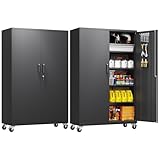

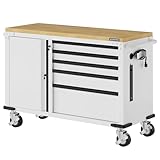
How Deep Should a Workshop Cabinet Be?
Shallow cabinets are usually 10 to 14 inches deep internally. They suit screwdrivers, pliers, chisels, files, marking tools, hand saws, and small hardware bins. A 12-inch-deep cabinet can hold most tools on a French cleat, pegboard-style back panel, or shallow drawer system without wasting space behind them.
Medium-depth cabinets, around 15 to 18 inches inside, are the most versatile choice for a general woodworking or repair shop. They accommodate deeper drawers, cordless tool chargers, drill cases, router accessories, and many bench tools. They also leave enough room for dividers without forcing you to stack everything.
Deep cabinets generally measure 20 to 24 inches inside. That is useful for tool cases, shop vac accessories, large clamps, portable planers, and bulky electrical equipment. For ordinary hand tools, however, deep storage often creates a second row. The tool at the back becomes effectively unavailable unless you remove the tools in front.
Remember that an advertised cabinet depth often includes the doors, drawer fronts, handles, and back panel. A cabinet labeled 18 inches deep may provide only 15 or 16 inches of usable interior depth. Check the internal measurement before buying, particularly with drawers.
Why Shallow Cabinets Work Well for Hand Tools
Shallow storage keeps tools in a single visible layer. That reduces search time and prevents the common failure mode of buying duplicates because the original tool is buried. It also makes it easier to outline tool locations or label drawers, which helps other people return tools correctly.
Wall-mounted shallow cabinets preserve floor area and keep the front edge from becoming an obstacle. Leave enough clearance for doors to open fully. A cabinet projecting 12 inches from the wall can interfere with a bench or narrow aisle; 18 inches can make the same route uncomfortable, especially when drawers are open.
The limitation is height and layout. Long tools such as levels, handsaws, and pry bars may not fit in a standard drawer. Use vertical dividers, a tall side compartment, or a separate shallow wall-mounted tool cabinet for these items rather than forcing them into a deep box.
When Deep Storage Makes Sense
Deep cabinets earn their floor space when the contents are genuinely bulky. A 24-inch-deep base cabinet can hold cordless drills in cases, impact drivers, sanders, batteries, and chargers on one shelf. It can also store a benchtop planer or router table accessories without leaving parts scattered around the shop.
Deep drawers are better than deep shelves for heavy items. A full-extension drawer lets you reach the back without kneeling and unloading the cabinet. Use drawer slides rated for at least 100 pounds for dense hardware or power tools, and install the cabinet level; an overloaded drawer can bind or pull a freestanding unit forward.
Deep shelves are cheaper and fine for infrequently used supplies, such as spare abrasives, seasonal equipment, or empty cases. Put those items in labeled bins. Avoid placing small hand tools loose on a deep shelf. They will migrate to the back, become covered with dust, and eventually be forgotten.
| Cabinet depth | Best use | Main advantage | Common problem |
|---|---|---|---|
| 10–14 inches | Hand tools, measuring tools, small parts | Single-layer visibility and better aisle clearance | Limited room for cases and bulky equipment |
| 15–18 inches | General-purpose workshop storage | Good balance of capacity and access | Can still become crowded without dividers |
| 20–24 inches | Power tools, clamps, cases, shop accessories | Stores large items and deeper drawers | Rear items disappear on fixed shelves |
Match Cabinet Depth to the Workshop Layout
Measure the aisle, not just the wall. A practical working aisle is about 36 inches wide, while 42 to 48 inches is more comfortable where drawers or machine doors open. If a cabinet is 24 inches deep, a 36-inch aisle leaves little room for two people or for handling long boards.
Keep frequently used tools between waist and shoulder height. Heavy tools belong low, but not directly on the floor where dust, moisture, and dropped parts cause problems. A 3- to 6-inch toe-kick makes a base cabinet easier to approach and reduces the chance of striking the cabinet with your shoes.
Do not block dust-collection access points, electrical panels, or the service side of stationary machines. A deep cabinet placed beside a machine may technically fit while preventing you from changing a belt or clearing a jam. Mark the cabinet footprint with tape and test doors, drawers, and walking paths before purchasing.
Drawers, Shelves, and Dust Control
For hand tools, drawers are usually more efficient than shelves. A 2- to 4-inch-high drawer works for screwdrivers, pliers, and layout tools; 5 to 8 inches suits sockets, cordless tools, and small planes. Very deep drawers encourage piles, so use removable trays or dividers.
In a woodworking shop, cabinets need some dust strategy. Fine dust settles on open shelves and gets into ratchets, slide mechanisms, and electrical contacts. Closed doors help, but they do not make a cabinet airtight. Keep a small gap around powered ventilation equipment and clean drawer runners periodically. Store precision tools in closed cases or shallow drawers with liners.
A budget approach can work well: use a simple steel tool storage cabinet with drawers for daily hand tools and inexpensive labeled bins on deeper shelves for bulky accessories. You do not need premium ball-bearing slides for light screwdrivers and pliers. Paying more becomes worthwhile for heavy drawers that will be opened several times a day.
Safe Installation and Buying Checklist
Anchor tall cabinets to wall studs, especially if drawers can open at the same time. An unanchored cabinet can tip when a loaded drawer is extended. For wall cabinets, verify the mounting rail or back panel is fastened into structural framing, not only drywall anchors.
Before buying, measure the largest item you plan to store, then add at least 2 inches for handles, dividers, and easy removal. Check the clear opening behind the door, drawer extension length, shelf weight rating, and whether shelves are adjustable. If a cabinet will sit near a bench, choose a depth that leaves the bench usable with drawers open.
For most shops, the sensible setup is shallow storage at the bench for daily hand tools, medium-depth drawers for general equipment, and one deeper cabinet for bulky or infrequently used items. That division costs less than filling every wall with deep boxes, while keeping the tools you actually reach for visible and accessible.