What's inside
As an Amazon Associate I earn from qualifying purchases. This post may contain affiliate links at no extra cost to you.
Air filtration units and source-capture dust collectors solve different problems. A source-capture system removes dust at the tool, before it spreads through the workshop. An air filtration unit cleans the airborne dust that escaped. For most shops, the right answer is not one or the other: use source capture as the primary control, then add air filtration when fine dust, limited tool hookups, or a small enclosed room makes cleanup difficult.
As an Amazon Associate we earn from qualifying purchases at no extra cost to you.

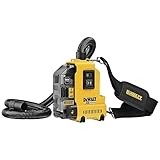
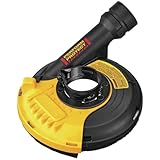
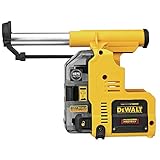
What Each System Does
A source-capture setup connects a dust extractor, shop vacuum, or dust collector directly to a tool. A shop vacuum typically serves tools with a 1-1/4- or 2-1/2-inch port, such as sanders, routers, and track saws. A larger dust collector with 4-inch ducting is better suited to table saws, planers, jointers, and other machines that produce chips and high volumes of waste.
The goal is to capture dust at the point where it is created. A good connection can remove most of the dust before it enters the room, but no setup captures everything. Table saws leak dust below the blade, planers eject chips at high velocity, and sanders can discharge fine particles around the pad even when the hose is connected.
An air filtration unit hangs from the ceiling or sits high on a wall. Its fan pulls dusty shop air through filters and returns cleaner air to the room. It does not capture chips at a planer, and it does not replace a hose connected to a sander. It is a cleanup and background-control device, not a substitute for tool extraction.
Air Filtration vs. Source Capture
| Factor | Source capture | Air filtration unit |
|---|---|---|
| Best use | Capturing dust at the tool | Removing airborne dust after it escapes |
| Typical airflow | About 100–400 CFM for a shop vacuum; 600–1,200+ CFM for a larger collector | About 500–1,500 CFM, depending on the unit and filter condition |
| Most effective against | Chips, shavings, and dust generated during cutting or sanding | Fine suspended dust that remains in the room |
| Connection required | Yes, at each compatible tool | No tool connection |
| Main limitation | Leaks, poor port design, undersized hoses, and clogged filters | Slow response to a dust cloud and limited performance when filters load |
| Noise and space | Often louder and may require ducting or a dedicated location | Usually quieter and can be mounted overhead |
Why Source Capture Comes First
Fine wood dust is most dangerous while it is concentrated near the tool and in the operator’s breathing zone. Capturing it at the source reduces the amount that can settle on shelves, enter the lungs, or become airborne again when you sweep. For a typical home shop, spending money on a properly sized shop vacuum dust extractor is usually more useful than buying an air cleaner first.
Match the extractor to the tool. A vacuum with high static pressure works well with long, narrow hoses and sanding tools. A dust collector moves more air through larger hoses, but many models perform poorly when reduced to a small port. Avoid unnecessary hose length, sharp bends, and improvised adapters that reduce a 4-inch system to a restrictive opening.
Use a pleated cartridge filter and a dust bag or separator appropriate for the material. A cyclone or chip separator can keep large waste out of the vacuum and extend filter life, but it will not remove all fine dust. If the collector exhausts indoors, its final filter matters. A unit that catches chips but blows fine dust back into the room has only moved the problem.
When an Air Filtration Unit Is Worth Buying
An air filtration unit makes sense when your source capture is already functional but the room still gets hazy after cutting or sanding. It is especially useful in a small, enclosed shop where dust cannot quickly disperse, or when several tools lack practical dust ports. It also helps capture the fine particles stirred up by walking, opening doors, or cleaning.
Look at both airflow and filter quality. A larger CFM rating is useful only if the unit maintains reasonable airflow through its filters. For a 400-square-foot shop with an 8-foot ceiling, the room contains about 3,200 cubic feet. A unit delivering 800 CFM in real use could theoretically provide 15 air changes per hour, although actual results are lower because air does not mix perfectly and manufacturers may quote unrestricted airflow.
Choose a unit with a replaceable fine-particle filter, a washable prefilter, multiple speeds, and a timer or remote control. A woodworking shop air filtration unit should run during dusty work and for at least 30 to 60 minutes afterward. Check the filter regularly; a loaded filter can sharply reduce airflow before it looks obviously dirty.
Placement and Operation
Mount filtration equipment high, but leave enough clearance for filter changes and service. Position it so air travels across the room rather than immediately looping from the outlet back into the intake. In a rectangular shop, placing the unit near one end and aiming the clean-air discharge along the long dimension often creates better circulation than putting it in the center.
Do not point a fan at a cutting operation. That may spread dust faster than the collector can remove it. Keep doors and windows arranged so replacement air does not blow directly through the dust cloud. If possible, exhaust dusty air outdoors during particularly messy work, while accounting for heating, cooling, and local building requirements.
Common Failure Modes
The most common mistake is treating an air cleaner as permission to work without tool extraction. It cannot keep up with an open planer discharge or a poorly contained table saw. Another failure is buying a high-CFM collector and connecting it with undersized ducting. The restriction can reduce actual airflow enough that dust remains visible at the tool.
Leaks are equally important. Seal loose joints, empty the collection bin before it overfills, and inspect hoses for splits. Never use compressed air to blow dust off clothing or machinery; it creates a concentrated airborne cloud. Use a vacuum with a suitable filter, and wear a properly fitted respirator when cutting or sanding materials that create hazardous dust. For ordinary wood dust, source capture plus filtration is effective, but neither system eliminates the need for eye protection, hearing protection, and sensible cleanup.
What to Buy First
If you are building a shop from scratch, buy source capture first: a correctly sized 4-inch woodworking dust collector hose and collector for large machines, or a quality extractor for portable tools. A cheaper shop vacuum is fine for occasional routing, drilling, and sanding if you use a fine filter and empty it often.
Add an air filtration unit when airborne dust remains after improving connections, hose size, and tool enclosures. For a small hobby shop with one operator and short work sessions, the cheaper option may be no separate air cleaner at all. For frequent sanding, several machines, or a tightly enclosed room, the extra filtration is worthwhile because it addresses the dust that source capture inevitably misses.