4 Best AC DC TIG Welders for Shops (November 2026)
Compare the best ac dc tig welder options for aluminum and steel, from budget inverters to a Lincoln classic, and pick the right amperage for your shop.
Compare the best ac dc tig welder options for aluminum and steel, from budget inverters to a Lincoln classic, and pick the right amperage for your shop.
As an Amazon Associate I earn from qualifying purchases. This post may contain affiliate links at no extra cost to you.
An AC/DC TIG welder is the one machine that handles both aluminum and steel, which is why it sits at the top of most metalworking wish lists. AC mode cleans the oxide layer off aluminum as it welds, while DC mode lays clean beads on steel and stainless. The differences between machines come down to amperage, duty cycle, arc start and how much control the torch and pedal give you over the puddle. For a small shop that repairs brackets and builds frames, one machine covering both metals saves bench space and money compared with keeping separate welders for each job.
This guide is for metalworkers and woodworkers who weld aluminum frames, fabricators repairing steel and aluminum parts, and hobbyists learning TIG for the first time. Every welder below was chosen from the name and specifications shown on its Amazon product page, with attention to amperage, voltage, arc start and included accessories. We compare four AC/DC TIG machines that cover budget builds and shop-quality work.
Quick Picks
As an Amazon Associate we earn from qualifying purchases
Product
Best for
Key spec from title
AHP AlphaTIG 203Xi
Budget AC/DC welding
200-amp output
PRIMEWELD TIG225X
Most amperage for the money
225-amp output
Lincoln Square Wave TIG 200
Shop-quality aluminum welding
Square wave AC
LOTOS TIG200ACDC
Low-cost entry to AC/DC TIG
200-amp output
How to Choose
Amperage and Material Thickness
Amperage sets the thickest metal you can weld in a single pass, and the rule of thumb is about one amp per thousandth of an inch of thickness. A 200-amp machine handles aluminum up to roughly a quarter inch and steel a little thicker, which covers most brackets, frames and repair work. Thicker plate needs either a higher-amperage machine or multiple passes with preheat, and neither is a good substitute for the right capacity. Choose by the thickest aluminum you weld regularly, since aluminum demands more amperage than steel of the same thickness. Thin sheet burns through fast at high settings, so fine adjustment helps a beginner hold a steady puddle.
AC Balance, Pulse and Arc Control
AC balance controls how much time the arc spends cleaning oxide off aluminum versus penetrating into the metal, and adjustable balance is what separates a capable machine from a frustrating one. Pulse settings let the arc cycle between high and low current, which limits heat on thin material and keeps the puddle under control. A high-frequency start lights the arc without touching the tungsten to the work, which keeps the tungsten clean and the weld free of contamination. Look for these controls on the panel, not just in the marketing copy. Small steps between settings make it easier to move from thick brackets to thin sheet.
Duty Cycle and Voltage
Duty cycle is the percentage of ten minutes the machine can weld at a given amperage before it must cool, and it matters most on long beads and thick material. A machine rated at 60 percent duty cycle at 200 amps welds for six minutes out of ten at full power, which is plenty for most shop work. Dual voltage machines run on a standard household outlet at reduced output and switch to a 220-volt circuit for full power, which makes them flexible for a home garage. Plan your circuit before ordering, since the full amperage needs the higher voltage. Pauses between passes keep the machine inside its rating.
TIG Welder Safety and Heat
TIG welding brings intense ultraviolet light, hot metal and high-frequency arc starts into the shop, so protection and placement matter. The machines in this guide list high-frequency start, which lights the arc without scratching the tungsten, and thermal overload protection that shuts the machine down before the internals overheat. Wear a proper welding helmet, gloves and long sleeves, since the arc burns skin faster than sunlight. Weld in a ventilated area away from flammable materials, respect the duty cycle so the machine cools, and let every workpiece cool before handling it bare-handed. A clear bench and a steady stance keep small jobs safe and unhurried in a busy shop.
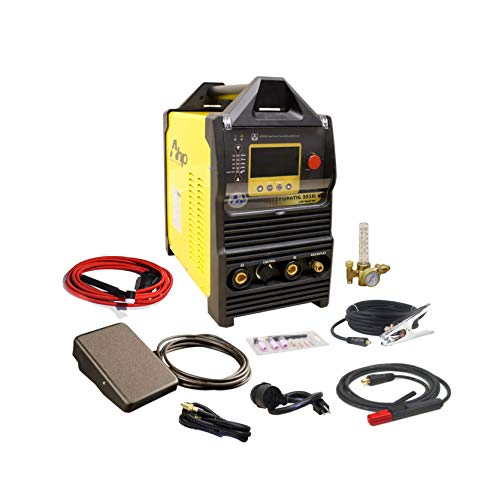
The AlphaTIG 203Xi is the budget pick that still gives you real AC/DC capability, and it has earned a loyal following among home fabricators. Its 200-amp inverter output handles aluminum and steel at a price well below the big brands, and dual voltage lets it run on a household outlet or a 220-volt circuit. High-frequency start keeps the tungsten clean, and the included foot pedal gives you fine control over the puddle once you learn to feather it. It is the machine to buy when you want to learn TIG properly without a large outlay. It ships with the basics needed to start practising straight away.
Watch out for: The stock torch and pedal are basic, so experienced welders often upgrade them later.
PRIMEWELD TIG225X
Runner-Up
PRIMEWELD TIG225X
Best for: Thicker aluminum and a capable all-round shop welder.
The TIG225X offers the most amperage in this group, with 225 amps of AC/DC output for thicker aluminum and longer welds. Its CK17 flex-head torch reaches into tight joints, and the digital display makes it easy to set amperage, balance and pulse without guessing. Dual voltage operation covers a home garage and a shop circuit alike, and the included foot pedal gives precise heat control. It suits a fabricator who wants a capable machine at a price that leaves room for a good helmet and consumables. The extra amperage also helps when a joint needs a longer bead without stopping to let a smaller machine catch up.
Watch out for: Availability has been inconsistent, so confirm the listing is live before ordering.
Lincoln Square Wave TIG 200
Lincoln Square Wave TIG 200
Best for: Reliable aluminum welding in a working shop.
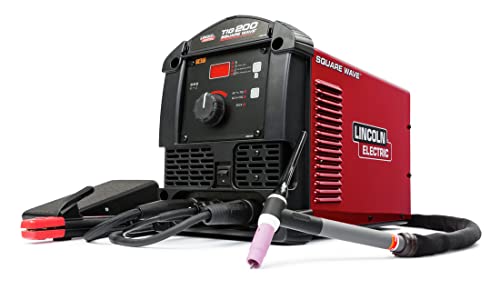
The Square Wave TIG 200 is the shop-quality machine in this group, with Lincoln’s square-wave AC that cleans aluminum oxide effectively and keeps the arc stable. Its 200-amp output covers most fabrication work, and dual voltage lets it move between a home garage and a shop circuit. The foot pedal and torch feel solid in the hand, and the machine’s build quality shows in years of reliable service. It costs more than the budget inverters, but it is the one to buy when welding is a regular part of your work. Its controls are laid out plainly, so changing between steel and aluminum takes only moments.
Watch out for: The price is higher than the budget machines, and the 200-amp ceiling limits very thick plate.
LOTOS TIG200ACDC
LOTOS TIG200ACDC
Best for: A low-cost first AC/DC TIG machine for hobby work.
The LOTOS TIG200ACDC is the lowest-cost route into AC/DC TIG welding, and it covers the essentials for a hobbyist learning the craft. Its 200-amp inverter output welds aluminum and steel, and dual voltage lets it run on a household outlet at reduced power or a 220-volt circuit at full output. High-frequency start and the included foot pedal give you the control TIG demands, and the compact frame stores easily in a crowded garage. It is a good first machine for practice and light fabrication. The compact frame also makes it easy to store on a shelf between sessions, which suits a garage that serves more than one trade.
Watch out for: The duty cycle and consumables are modest, so keep passes short and the machine cool.
Which One Fits Your Situation
Learning TIG on a Budget
Pick the AlphaTIG 203Xi when you want real AC/DC capability for the least money. Its 200 amps and foot pedal teach you the full TIG workflow, and dual voltage means it works in a home garage. Budget for practice aluminum and tungsten, since the learning curve is steeper than the price suggests. Its forgiving setup rewards steady practice, and the skills learned transfer to a larger machine later.
Maximum Amperage for the Money
Pick the TIG225X when thicker aluminum is on your project list and you want the most output per dollar. The 225 amps and flex-head torch handle bigger joints, and the digital display makes setup repeatable. Confirm the listing is live before ordering, since availability has varied. The digital display also helps repeat a good setting from one session to the next, which matters when thicker joints need consistent heat.
Daily Shop Welding
Pick the Square Wave TIG 200 when welding is part of your working week and downtime costs money. Lincoln’s build quality and square-wave AC give consistent results on aluminum, and the machine holds its value. It is the professional choice in this group, and the one most likely to still be running in ten years. A steady arc and solid build mean fewer interruptions during a working week in the shop.
First Machine for Hobby Projects
Pick the LOTOS TIG200ACDC when you want to learn TIG without spending shop-machine money. It welds aluminum and steel at hobby scale, and the compact frame fits a crowded garage. Keep the duty cycle in mind and let it cool between passes, and it will handle brackets, frames and repairs happily. Its small footprint leaves bench room for a grinder, clamps and filler rod close beside it.
Common Mistakes
Buying a DC-only machine for aluminum, then discovering it cannot clean the oxide layer properly.
Welding at maximum amperage for long beads without respecting the duty cycle, then tripping the thermal protection.
Touching the tungsten to the workpiece on a machine with lift start, contaminating the weld and the electrode.
Skipping ventilation, so welding fumes build up in a closed garage while you work.
Choosing a machine by its top amperage alone while ignoring the foot pedal and torch quality that control the puddle.
Frequently Asked Questions
Why do I need AC for welding aluminum?
Aluminum carries a tough oxide layer that melts far hotter than the metal below it. AC current cleans that layer away during part of each cycle, so the puddle bonds to clean metal instead of sitting on oxide.
What thickness can a 200-amp TIG welder handle?
A 200-amp machine welds aluminum to about a quarter inch in one pass and steel a little thicker, which covers most brackets, frames and repairs. Thicker plate needs several passes or preheat, so measure the thickest metal you weld often and size the machine to that.
Do I need a foot pedal for TIG welding?
No, but a pedal gives live control over amperage while you weld, which makes starting and ending a bead far easier. Without one, the machine holds a fixed setting and you steer heat only by travel speed.
What gas do I need for AC/DC TIG welding?
Pure argon covers all AC/DC TIG work on aluminum, steel and stainless, and it is the standard gas for a home shop. It shields the molten puddle and tungsten from the air, so a steady flow and clean torch setup matter more than the brand.
J
JD's Woodworks Editorial Team
We compare specs, warranty terms, long-term owner feedback and street pricing before anything earns a spot. Rankings are never paid.
Affiliate disclosure. As an Amazon Associate we earn from qualifying purchases at no extra cost to you. Prices accurate as of the date shown.
Table saws under the 1500 mark compared: the Grizzly G0771Z and Shop Fox W1837 hybrid saws with cast iron tables, 2 HP motors and T-square fences, specs from their listings.
Table saws for fine woodworking compared: the SawStop Professional Cabinet Saw and Powermatic PM1000, judged on fence precision, table flatness and vibration from listing specs.
Table saw combos explained: saws sold with a stand and accessories in one listing, what to check in the box, and which bundle fits your shop or jobsite.
Compare the best planer digital thickness gauges and digital readout kits for portable planers, with fit, resolution and mounting checks before you buy.
Model table saws for scale modelling and hobby work compared: the precision Proxxon FET 37070 and the compact Saker mini table saw, with specs taken from their Amazon listings.
Three CoreXY 3D printers for product development, each with the architecture stated on its listing: an enclosed multicolor machine, a large-format enclosed model and a heated-chamber model.


 LOTOS TIG200ACDC









