4 Best 200 Amp TIG Welders for Metal (November 2026)
best 200 tig welder guide: four 200-amp AC/DC TIG machines for aluminum, steel, and stainless, compared on pulse control, duty cycle, and your shop power.
best 200 tig welder guide: four 200-amp AC/DC TIG machines for aluminum, steel, and stainless, compared on pulse control, duty cycle, and your shop power.
As an Amazon Associate I earn from qualifying purchases. This post may contain affiliate links at no extra cost to you.
A 200-amp TIG welder sits at the sweet spot for a home shop: strong enough for aluminum and stainless plate, precise enough for thin sheet, and still able to run in a garage with the right circuit. The choice is not just about amperage, since every machine here reaches 200 amps. Pulse control, AC balance, duty cycle, and dual-voltage input decide which one actually suits your work, and a machine that cannot hold an arc on thin aluminum will frustrate you no matter how high its rating reads. Every machine here reaches 200 amps, so the choice is about control, not power.
This guide is for welders, fabricators, and serious hobbyists who want a 200-amp AC/DC TIG machine for aluminum, stainless, and mild steel. The four machines below were chosen from the names and specifications shown on their Amazon pages, covering the main brands in this class. Pulse, balance, duty cycle, and input power are the four things to compare.
Quick Picks
As an Amazon Associate we earn from qualifying purchases
Product
Best for
Key spec from title
Lincoln Square Wave TIG 200
Trusted brand AC/DC TIG
200-amp AC/DC TIG welder
LOTOS TIG200ACDC
AC/DC TIG on a budget
200-amp AC/DC TIG welder
AHP AlphaTIG 203Xi
Advanced pulse control
200-amp AC/DC TIG welder
Everlast PowerTIG 200DV
Dual-voltage pulse TIG
200-amp dual-voltage TIG welder
How to Choose
AC/DC capability for aluminum
Aluminum needs alternating current to break through its oxide layer, while steel and stainless weld on direct current, so an AC/DC machine covers both. A DC-only TIG welder cannot weld aluminum at all, which rules it out for any shop that touches the metal. All four machines in this guide run AC and DC, so the choice moves to finer controls: AC balance adjusts how much cleaning versus penetration the arc delivers, and pulse control shapes the heat input on thin material. Check the listing for AC balance and pulse settings, since those controls decide how clean an aluminum bead looks.
Pulse control and duty cycle
Pulse control switches the arc between high and low current many times per second, which limits heat on thin sheet and helps the puddle freeze cleanly. A machine with adjustable pulse frequency and pulse width gives finer control on aluminum and stainless, while a fixed pulse setting still beats no pulse at all. Duty cycle matters just as much: it states how many minutes in ten the machine can weld at a given amperage before it must cool. A low duty cycle at 200 amps forces pauses during long beads, so check the rated duty cycle on the listing and match it to the length of your usual welds.
Safety in the welding shop
TIG welding throws intense ultraviolet light, hot metal, and fumes, so treat safety as part of the purchase rather than an afterthought. Wear a welding helmet with the correct shade, gloves, and flame-resistant clothing every time you strike an arc, and keep flammable material well away from the work area. Ventilation matters because welding fumes build up fast in a closed garage, so open a door or run a fan while you weld. Argon shielding gas needs a secure cylinder that cannot tip over, and the regulator must be fitted correctly. Disconnect the machine from power before changing the tungsten or torch parts, and read the manual that ships with the welder first.
Power supply and the foot pedal
A 200-amp TIG welder draws serious current, so confirm your shop wiring before buying. Some machines run on dual voltage and reach full output only on a higher-voltage circuit, while others need a dedicated circuit at all times. The foot pedal is the other essential: it controls amperage hands-free, letting you taper heat at the end of a bead instead of stopping abruptly. Check whether the listing includes a foot pedal, a torch, and a regulator, since some kits include them and others sell them separately. A machine without a pedal forces hand control of amperage, which is far harder to learn.
The 4 Best Options
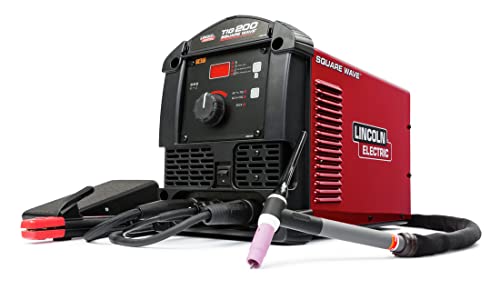
Lincoln Square Wave TIG 200
Top Pick
Lincoln Square Wave TIG 200
Best for: fabricators who want a proven AC/DC TIG machine.
The Lincoln Square Wave TIG 200 is the trusted-brand pick in this guide, and its reputation rests on a clean, stable arc on both aluminum and steel. The square-wave AC output breaks through aluminum oxide effectively, while the DC side handles stainless and mild steel with a steady puddle. At 200 amps it covers the plate and tube work a home fabrication shop actually does, and the controls are straightforward enough for a welder moving up from MIG. The trade-off is that a premium brand costs more than the budget machines here. For a shop that wants a machine with long support and proven reliability, it is the safest choice.
Watch out for: the premium brand costs more than budget alternatives.
LOTOS TIG200ACDC
Runner-Up
LOTOS TIG200ACDC
Best for: home shops that need AC/DC TIG at a lower cost.
The LOTOS TIG200ACDC brings AC/DC TIG capability to a home shop at a lower cost than the premium brands, which makes it the budget pick in this guide. Its 200-amp output covers aluminum, stainless, and mild steel, and the AC/DC design means no material in the usual shop mix is out of reach. Pulse control helps on thin sheet, and the machine suits a hobbyist that welds a few times a week rather than every day. The lower price shows in simpler controls and a shorter support history than the established brands. For a welder who needs AC/DC capability without the premium price, it is a practical entry point.
Watch out for: simpler controls and a shorter support history than premium brands.
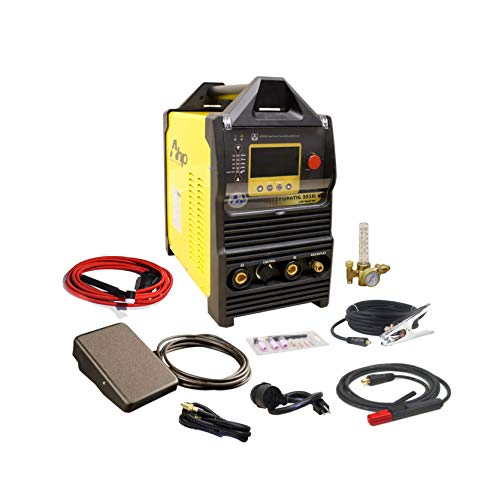
AHP AlphaTIG 203Xi
AHP AlphaTIG 203Xi
Best for: welders who want fine pulse and AC balance control.
The AHP AlphaTIG 203Xi is the advanced-control pick for welders who want fine adjustment over the arc. Its 200-amp AC/DC design covers the same materials as the other machines here, but the pulse and AC balance controls give more room to tune the bead on thin aluminum and stainless. That adjustability rewards a welder who has already learned the basics and wants to refine technique, while a beginner may find the extra settings confusing at first. The machine suits a shop where TIG is the main process rather than an occasional job. For a welder who values control over simplicity, it is the most tunable pick in this guide.
Watch out for: the extra settings take time to learn.
Everlast PowerTIG 200DV
Everlast PowerTIG 200DV
Best for: welders who need dual-voltage flexibility between shops.
The Everlast PowerTIG 200DV is the dual-voltage pulse pick for shops where the power supply varies or the welder moves between locations. Its 200-amp AC/DC output runs on dual voltage, so it reaches full power on a higher-voltage circuit and still works on a standard outlet at lower output. Pulse control shapes heat input on thin material, and the IGBT inverter design keeps the machine compact for its rating. The dual-voltage flexibility suits a welder who works in more than one shop or rents space with uncertain wiring. For a machine that adapts to the power available, it is the most flexible pick here.
Watch out for: full 200-amp output needs the higher-voltage circuit.
Which One Fits Your Situation
First 200-amp TIG welder
A first-time TIG buyer should start with the Lincoln Square Wave TIG 200. Its stable arc and straightforward controls make learning easier, and the brand support helps when questions arise. The LOTOS TIG200ACDC is the alternative when the budget is tighter and the buyer accepts simpler controls. Either machine covers aluminum and steel, so the choice is about support and feel rather than capability.
Aluminum fabrication work
Aluminum work needs AC balance and a clean arc, and the Lincoln Square Wave TIG 200 delivers both with the least fuss. The AHP AlphaTIG 203Xi is the pick when the work involves thin aluminum that rewards fine pulse adjustment, since its controls tune the heat more precisely. The LOTOS covers the same material at a lower cost for a shop that welds aluminum occasionally rather than daily.
Thin sheet metal and stainless
Thin material punishes excess heat, so pulse control matters most here. The AHP AlphaTIG 203Xi and the Everlast PowerTIG 200DV both offer pulse adjustment that limits heat input and keeps the puddle controlled. The Lincoln Square Wave TIG 200 handles the same work with a steadier, simpler arc. Whichever machine you choose, practice on scrap at low amperage before welding the real part.
A welder that moves between shops
A welder who works in different locations needs dual voltage. The Everlast PowerTIG 200DV runs on a standard outlet at lower output and reaches full power on a higher-voltage circuit, so it adapts to whatever the site offers. The Lincoln Square Wave TIG 200 also offers dual-voltage input. Confirm the circuit at each location before promising a 200-amp weld.
Common Mistakes
Buying a DC-only TIG welder and then discovering it cannot weld aluminum no matter the settings.
Ignoring duty cycle and overheating the machine during long beads.
Welding aluminum without setting AC balance for the oxide layer.
Forgetting the foot pedal and trying to control amperage by hand instead of a pedal.
Running a 200-amp machine on a circuit that cannot feed its full output at full power.
Frequently Asked Questions
Can a 200-amp TIG welder weld aluminum?
Yes, provided the machine runs alternating current, which all four machines in this guide do. AC breaks through the oxide layer on aluminum while DC welds steel and stainless. Check that the listing states AC/DC operation before buying, since a DC-only machine cannot weld aluminum at all. AC balance and pulse controls then refine the bead.
What does pulse control do on a TIG welder?
Pulse control switches the arc between high and low current many times per second, which limits heat input on thin material. The puddle freezes more cleanly between pulses, reducing burn-through on sheet metal and stainless. Adjustable pulse frequency and width give finer control, while a fixed pulse setting still helps. Practice on scrap to find the setting for each thickness.
Do I need a foot pedal for TIG welding?
A foot pedal controls amperage hands-free, letting you taper heat at the start and end of a bead instead of stopping abruptly. It is the standard way to weld thin material without burn-through. All four machines in this guide include a foot pedal in the kit, so confirm the listing before ordering a machine that sells it separately.
Can these welders run on a standard household outlet?
Some 200-amp machines offer dual-voltage input and work on a standard outlet at lower output, reaching full power only on a higher-voltage circuit. Check the listing for the input requirements and the amperage available at each voltage. Without enough power, a machine cannot weld at its rated thickness.
J
JD's Woodworks Editorial Team
We compare specs, warranty terms, long-term owner feedback and street pricing before anything earns a spot. Rankings are never paid.
Affiliate disclosure. As an Amazon Associate we earn from qualifying purchases at no extra cost to you. Prices accurate as of the date shown.
Miter saw vs table saw: compare crosscuts, rip cuts, accuracy, space, and value to choose the right saw for your shop and your first woodworking projects.
Compare five solar portable generators for shops, campsites, and outages, covering battery size, output, solar charging, outlets, and what to check first.
The best portable CNC machines for small shops and shared spaces, compared by footprint, weight, work area, and setup. Compact benchtop picks for wood, acrylic, and soft metal.
Find the best Penn Industries dust collector on Amazon: the PSI Woodworking DC3XX blower and the DC725 tabletop unit, compared on airflow, pressure, and shop fit.
Compare five large stationary horizontal metal band saws for fabrication shops on cutting capacity, motor, power supply, blade speed, and mitering before buying.
Find the best mortising chisel bits for clean square mortises in this guide: hollow-chisel sets and singles compared by size, shank, steel, and machine fit.
Find the best drill press base for your shop. Compare rolling stands and mobile bases by capacity, footprint, casters, locking, and setup before you buy.
Find the best dewalt planer dw734 blades for your 12-1/2-inch thickness planer. Compare OEM and aftermarket 3-knife sets, steel types, and fit before you buy.


 Everlast PowerTIG 200DV









