
Our Short List of 3
All 4 Picks at a Glance
| Product | Specs | Action |
|---|---|---|
 Kreg Precision Band Saw Fence KMS7200 | Check price on Amazon | |
 Carter MAGFENCE II Universal Magnetic Fence | Check price on Amazon | |
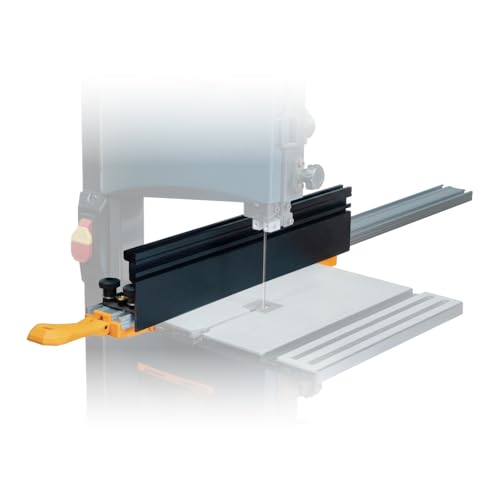 POWERTEC 72145 Resaw Fence System | Check price on Amazon | |
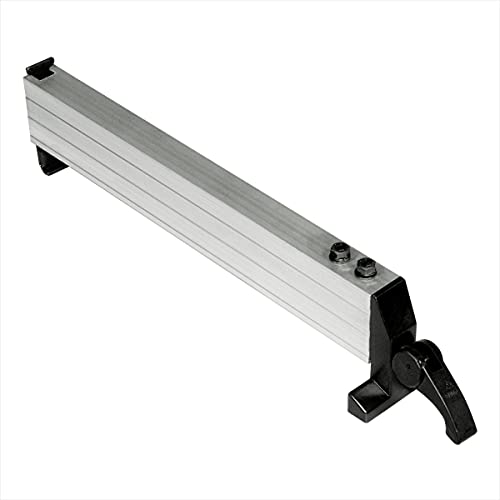 POWERTEC BS900RF Rip Fence | Check price on Amazon |
Key takeaways
- Compare the best bandsaw resaw fence system picks for straight veneer cuts: rail fences, magnetic fences and clamp-on tall fences for 14-inch saws.
What's inside
As an Amazon Associate I earn from qualifying purchases. This post may contain affiliate links at no extra cost to you.
Resawing means slicing a thick board into two or more thinner boards on the bandsaw, and it is the one cut where a fence earns its keep. A board that wanders even a little comes out wedge-shaped, and a fence that flexes at the top leaves one face thicker than the other. A resaw fence system gives the board a tall, rigid reference face to ride against while the blade does the work, so the cut stays parallel from the first inch to the last. This guide covers resaw-specific fence systems only: rail-mounted fences with drift adjustment, magnetic fences that grip a cast iron table, and clamp-on tall-fence systems. General-purpose bandsaw fences, which cover ripping and curve work as well, belong in a separate guide. The four picks below all mount to a bandsaw table and guide tall stock, but they do it in different ways, and the right one depends on the size of your saw, the height of the boards you cut, and whether you want a permanent rail or a fence you can lift off the table in seconds.
What to look for
Fence height comes first. A resaw fence needs to support most of the height of the board passing through it. A fence face of three and a half inches handles boards up to about five or six inches tall with care, while taller stock wants a taller face or a shop-made tall face bolted to the fence. A low fence can still resaw thin stock, but it gives a tall board little to lean on, and the top of the board can drift away from the blade. Check the fence height in the listing before you buy, and match it to the tallest boards you plan to cut.
Drift adjustment comes second. A bandsaw blade rarely tracks perfectly parallel to the miter slot, and the angle it wants to cut at is called drift. A good resaw fence lets you angle the fence to match the drift of your blade, either with a pivoting mount, an angle bracket, or a fence that can be set at a slight angle to the table. Without drift adjustment you fight the blade on every cut, and the board binds or wanders. Rail-mounted fences usually give the finest drift control, while clamp-on and magnetic fences rely on careful setup by hand.
Mounting style decides how the fence lives on your saw. A rail-mounted fence bolts to a rail on the front of the table and slides along it, which gives repeatable positioning and a cursor for reading measurements. A magnetic fence grips a cast iron or steel table with switchable magnets and needs no holes, no rail, and no brackets, which makes it easy to move between machines. A clamp-on system grips the edge of the table with a straight edge clamp, which suits benchtop saws and drill press tables that have no rail at all. Each style has a trade: rails are the most repeatable, magnets are the most portable, and clamps are the most universal.
Fit and compatibility need a tape measure, not a guess. Rail fences list the saw sizes they fit, usually most 14-inch saws from the common makers, and some need a hole drilled in the table. Magnetic fences fit any ferrous table but will not hold on an aluminum table, which rules out many small benchtop saws. Clamp-on fences fit tables within a stated size range, so measure your table front to back before you order. A fence that does not fit your table is useless no matter how well it is made.
Squareness and locking decide whether the fence stays true under load. The fence face must sit square to the table and parallel to the blade, and the lock must hold it there when a heavy board pushes sideways against it. Look for a fence with a solid lock, a rigid extrusion, and a way to check squareness with a square. A fence that tips at the top under side load will cut uneven veneer, so a wide base and a stiff extrusion matter more than a long feature list.
T-slots and accessories add value over time. A fence with T-slots on the top and side accepts stops, hold-downs, and shop-made tall faces, which turns a plain fence into a small system. Flip stops give repeat cuts at the same width, and a tall auxiliary face bolted to the fence supports taller boards. If you plan to resaw often, a fence with slots gives you room to grow without buying a second fence.
Kreg Precision Band Saw Fence KMS7200
Kreg Precision Band Saw Fence KMS7200
The Kreg KMS7200 is the rail-mounted fence that most 14-inch bandsaw owners reach for when they want a permanent upgrade. It pairs a 26-inch precision mounting rail with an 18-inch anodized aluminum fence, and the fence rides on a heavy-duty Kreg Trak with a clamp block and a precision lens cursor for reading measurements. Two-dimensional adjustment lets you set the fence square to the table and angle it to match blade drift, which is the adjustment that makes straight resaw cuts possible on a saw whose blade does not track perfectly parallel. T-slots in the fence accept stops and resaw guides, so you can add a tall face or a flip stop later without drilling into the fence itself.
Fit covers most 14-inch band saws, including Jet, Delta, General, and Grizzly models, and the fence works with saws that have pre-drilled mounting holes or by drilling a single hole in the table. That hole is the one part of the job that gives some owners pause, since it means putting a drill to a cast iron table, but the manual walks through it, and the rail then stays put for years. The fence weighs 4.8 pounds per the listing, though one roundup lists 8.76 pounds, so the listing figure is the one to trust and the difference is worth noting if shipping weight matters to you. The listing also notes that the fence is not discontinued by the maker, and it has been sold since 2012, which means parts and support are easy to find.
In use, the KMS7200 behaves like a proper rail fence. The clamp block locks the fence to the rail with a firm hand, the cursor reads against an adhesive measuring tape on the rail, and the fence stays square through long cuts. The 18-inch fence length gives good support for boards up to a foot long and more, and the low profile keeps the fence clear of the upper guides when they sit low for thin stock. For resawing, the drift adjustment is the feature that matters most: set the angle once for your blade, lock it down, and the board follows the fence instead of fighting the blade. The fence is best for owners of 14-inch floor and cabinet saws who resaw often enough to want a permanent rail.
Carter MAGFENCE II Universal Magnetic Fence
Carter MAGFENCE II Universal Magnetic Fence
The Carter MAGFENCE II takes a different path: instead of a rail, it uses two powerful switchable magnets to grip a ferrous metal table. The fence itself is a 16-inch long, 3.5-inch tall L-shaped aluminum extrusion with multiple T-slots, and it weighs 3.27 pounds, so it lifts off the table and moves to another machine in seconds. Turn the two knobs and the magnets engage; turn them back and the fence slides free. There are no brackets, no mounts, and no holes to drill, which makes it the easiest fence in this guide to fit to a saw.
That magnetic grip is also its main limit. The fence only holds on cast iron or steel tables, so it will not work on saws with aluminum tables, which includes many small benchtop models. On a cast iron table it holds firmly, and the fence is easy to square to the blade by nudging it before engaging the magnets. Some owners report that squareness needs checking at setup, since the fence can sit slightly off square if it is placed carelessly, so a quick check with a square before each session is good practice. It also has no micro-adjust mechanism like a rail fence, so fine positioning depends on a steady hand and a light touch.
Where the MAGFENCE II shines is versatility. It works on band saws, drill presses, spindle sanders, and any other tool with a ferrous table, and it accepts all MAGFENCE II accessories, including sacrificial wear faces that protect the aluminum extrusion from blade contact. The T-slots take stops and hold-downs, and the 3.5-inch tall face gives solid support for resawing boards up to about five inches tall. For a shop with more than one machine, or for a woodworker who shares a saw and does not want to drill into a borrowed table, the magnetic fence is the most flexible pick here. It is best for owners of cast iron table saws who want a fence that moves between machines and comes off the table when the job is done.
POWERTEC 72145 Resaw Fence System
POWERTEC 72145 Resaw Fence System
The POWERTEC 72145 is the only pick in this guide sold as a complete resaw fence system, and it earns that name by pairing a 16-inch by 3.5-inch band saw fence with a 24-inch straight edge guide clamp in one box. The fence is anodized aluminum alloy with a reinforced nylon clamp base, and the clamp grips the edge of the table, so the system works on band saw tables and drill press tables with no rail and no holes to drill. Dual T-tracks on the top and side of the fence accept POWERTEC flip stop blocks in three sizes, so repeat cuts at the same width are easy to set up, and the fence allows squareness adjustment against the tabletop for accurate setup.
The 24-inch clamp gives a maximum cutting width of 24 inches, which covers wide boards and panels, and the 3.5-inch tall fence face supports resawing on boards up to about five inches tall. The anodized aluminum resists corrosion in a damp shop, and the nylon clamp base keeps the clamp from marring the table edge. At 1.29 kilograms packaged weight, the whole system is light enough to carry to another machine or hang on a wall hook between jobs. It is a clamp-on system rather than a rail system, so positioning depends on the clamp and a careful setup, and it will not give the same repeatable cursor readings as a rail-mounted fence.
This is also the newest listing in the guide, and the evidence for it rests on import mirrors and a listing page rather than a long trail of roundups, so open the listing live and confirm the model number 72145 and a new unit with a buy option before you order. The system is best for woodworkers with a benchtop saw or a drill press table, or for anyone who wants a tall resaw fence without drilling into a table or fitting a rail.
POWERTEC BS900RF Rip Fence
POWERTEC BS900RF Rip Fence
The POWERTEC BS900RF is the small-saw pick in this guide: a rip fence made for the POWERTEC BS900 9-inch benchtop band saw and similar saws with a work table size of 11-1/8 inches to 11-13/16 inches. It is a sturdy extruded aluminum fence with a cam lever clamp that adjusts from 11-3/8 inches up to 12 inches, and it arrives fully assembled, so it clamps to the table and works straight out of the box. For a 9-inch benchtop saw, which usually ships with a flimsy fence or none at all, the BS900RF turns a drifting saw into a tool that cuts a straight line.
Honesty matters here, because this fence is short. It is a low rip fence, not a tall resaw fence, and field reports say it holds square through light resaw work on boards up to 3/4 inch thick and 5 inches wide, but the aluminum housing has no pre-drilled holes for attaching a taller board, and the fence may tip under heavy side load during resaw cuts above 5 inches tall. That means it suits thin stock and light resawing on a benchtop saw, and it is not the fence for slicing thick hardwood into veneer. The maker store shows the fence out of stock on its own site, though that is the maker store only and does not describe the Amazon listing, so confirm the Amazon listing live before you buy.
Fit is narrow by design: the fence only suits saws with tables in the stated size range, so measure your table before ordering. If your saw matches, the BS900RF is a simple, low-cost way to add a real fence to a small saw, and it is the best pick in this guide for benchtop 9-inch saws. If your saw is larger, or your boards are taller than five inches, one of the taller fences above is the better buy.
Comparison
| Fence | Type | Fence size | Fit | Mounting | Good for |
|---|---|---|---|---|---|
| Kreg KMS7200 | Rail-mounted fence | 26-inch rail, 18-inch fence | Most 14-inch band saws | Rail, one hole may need drilling | Permanent resaw setup on 14-inch saws |
| Carter MAGFENCE II | Magnetic fence | 16-inch long, 3.5-inch tall | Any ferrous cast iron or steel table | Switchable magnets, no drilling | Moving between machines, no-drill fitting |
| POWERTEC 72145 | Clamp-on fence system | 16-inch fence, 24-inch clamp | Band saw and drill press tables | Straight edge clamp | Benchtop saws and drill presses, no rail needed |
| POWERTEC BS900RF | Clamp-on rip fence | Fits tables 11-1/8 to 11-13/16 inches | 9-inch benchtop saws | Cam lever clamp | Small benchtop saws, light resawing |
Frequently asked questions
How tall should a resaw fence be?
The fence face should support most of the height of the board you are cutting. A fence face of three and a half inches handles boards up to about five inches tall with care, and a taller face or a shop-made tall face bolted to the fence supports taller stock. A low fence can still resaw thin stock, but a tall board leans on very little, and the top can drift away from the blade. If you cut boards taller than six inches often, look for a fence with a taller face or plan to add an auxiliary tall face to the fence you buy.
Will these fences fit my 14-inch bandsaw?
The Kreg KMS7200 fits most 14-inch band saws from Jet, Delta, General, and Grizzly, though some tables need a single hole drilled for the rail. The Carter MAGFENCE II fits any 14-inch saw with a cast iron or steel table, and it will not hold on an aluminum table. The POWERTEC 72145 clamps to the edge of any flat table, so it fits most 14-inch saws as well as benchtop saws and drill presses. The POWERTEC BS900RF only fits 9-inch benchtop saws with tables from 11-1/8 inches to 11-13/16 inches, so measure your table front to back before you order any fence.
Do I need a special blade for resawing?
A wide blade with few teeth per inch tracks straighter than a narrow blade, so a half-inch or three-quarter-inch blade with three or four teeth per inch is the usual choice for resawing. Set the fence to match the drift of that blade, keep the upper guides close to the work, and feed the board at a steady pace without forcing it. A sharp blade matters more than an expensive one, and a dull blade will wander no matter how good the fence is. Change the blade when cuts begin to drift or the saw begins to work hard for the cut.
How to choose
Match the fence to your saw first and to your boards second. If you own a 14-inch floor or cabinet saw and resaw often, the Kreg KMS7200 gives the most repeatable setup, with a rail, a cursor, and drift adjustment that you set once and trust. If you share machines, move between a band saw and a drill press, or refuse to drill into a table, the Carter MAGFENCE II gives the most flexibility, as long as your table is cast iron or steel. If your saw is a benchtop model or a drill press table with no rail, the POWERTEC 72145 gives you a complete clamp-on system with a tall fence and T-tracks for stops. If your saw is a 9-inch benchtop model and your stock is thin, the POWERTEC BS900RF adds a real fence for the least fuss. Before you order, measure your table, check the listing names the exact model number, and confirm the fence height covers the tallest boards you cut. A fence that fits your saw and supports your stock will pay for itself in straight veneer and square boards.
Disclosure: As an Amazon Associate, we may earn a commission from qualifying purchases made through links in this article, at no additional cost to you.
Related guides
More from Amazon
Programs that pair well with the guide above. Offers and eligibility are set by Amazon and may change.
A free business account with business pricing and bulk-buying tools for work, shop or home office.
Create a business accountFree shipping on eligible items, Prime Video and more. Eligible new members can start with a free trial.
Start a Prime free trialAudiobooks and podcasts to listen to on the go. Eligible new members can start with a free trial.
Try Audible freeAd-free music streaming. Eligible new subscribers can start with a free trial.
Try Music Unlimited freeAs an Amazon Associate we earn from qualifying purchases.









