What's inside
As an Amazon Associate I earn from qualifying purchases. This post may contain affiliate links at no extra cost to you.
A garage workshop floor has to handle more than parked cars. It sees metal chips, rolling tool chests, spilled coolant, sawdust, and occasional oil. The best coating is not simply the glossiest or hardest surface. It should provide dependable footing, tolerate workshop chemicals, and remain practical to clean around benches, storage cabinets, and dust-collection equipment.
For most workshops, the sensible choices are a two-part epoxy system or a polyaspartic coating with a broadcast aggregate. A basic concrete sealer can be adequate for a light-duty shop, but it does little for traction and will not hide or resist damage as well. Whichever coating you choose, surface preparation matters more than the label on the bucket.
As an Amazon Associate we earn from qualifying purchases at no extra cost to you.


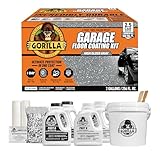

Best coating types for a garage workshop
| Coating | Best use | Strengths | Weaknesses |
|---|---|---|---|
| Two-part epoxy | Most home workshops | Good chemical resistance, thick film, reasonable cost | Longer cure; can peel from poorly prepared concrete |
| Polyaspartic | Fast installation or cold-weather work | Rapid cure, strong UV resistance, good abrasion resistance | Short working time and usually higher cost |
| Concrete sealer | Light-duty or budget floors | Inexpensive, simple application, little added height | Limited wear and chemical resistance; little slip improvement |
| Interlocking floor tiles | Renters or damaged slabs | Fast installation and easy replacement | Can trap dirt and moisture; edges may catch rolling equipment |
Two-part garage floor epoxy kits are the default choice for a typical enclosed shop. They cost less than professionally installed systems and give you a thick, washable surface. A quality kit normally includes a resin and hardener, but check the coverage carefully. Many advertised coverage figures assume a smooth, porous-free slab and a very thin coat.
How to make the floor genuinely slip-resistant
Glossy epoxy is not automatically safe. Fine dust, cutting oil, and condensation can turn a smooth coating into a skating surface. The reliable solution is to add a grit or flake broadcast rather than relying on a smooth clear topcoat.
Aluminum oxide provides aggressive traction and is a good choice near a vehicle bay, sink, or parts-washing area. It can feel rough under bare feet and makes sweeping slightly slower. Fine polymer or ceramic grit gives a less harsh walking surface while still improving footing. Decorative vinyl flakes also add texture, but flakes alone should not be treated as a substitute for a dedicated anti-slip additive unless the finished surface has enough exposed texture.
Broadcast the aggregate while the base coat is still tacky. For a workshop, a full broadcast is more dependable than sprinkling a small amount only in walkways. After curing, remove loose material, then apply a compatible clear topcoat. Use a fine anti-slip floor coating additive in the final coat if the base system does not already include traction media.
Keep the texture moderate around workbenches. Extremely coarse aggregate improves grip but can make it harder to push a loaded tool chest, drag a welding cart, or retrieve dropped screws. A practical compromise is medium texture across the shop with extra aggressive traction at entrances and areas exposed to water or oil.
Surface preparation determines whether it lasts
New concrete should generally cure for at least 28 days before coating. Test an older slab for moisture by taping a roughly 18-by-18-inch sheet of plastic tightly to the floor for 24 hours. Condensation or darkening beneath the plastic indicates moisture that can blister or delaminate the coating. Do not coat until the moisture problem is addressed.
Remove paint, grease, curing compounds, and old adhesive. Degreaser alone is not enough if oil has soaked into the slab. Scrub contaminated areas, rinse thoroughly, and allow them to dry. Then mechanically profile the concrete with a floor grinder, shot blaster, or suitable diamond cup wheel. Acid etching is inexpensive, but it often produces uneven results and will not remove heavy coatings or embedded oil.
The finished concrete should have a uniformly rough, concrete-like profile rather than a shiny sealed appearance. Vacuum with a proper HEPA shop vacuum for concrete dust, then wipe or blow down the surface according to the coating manufacturer’s instructions. Dust left in pores becomes a weak layer under the coating.
Application details that prevent common failures
Plan the work around temperature and humidity, not just your weekend schedule. Many epoxies perform best around 60 to 85 degrees Fahrenheit. Cold concrete slows curing; a slab that feels warm enough at shoulder height may still be too cold near the floor. High humidity can cause clouding or blush in some systems.
Mix exact resin and hardener quantities. Do not estimate partial batches unless the manufacturer gives a measured ratio. Scrape the sides and bottom of the mixing bucket, then transfer the mixture to a second clean bucket and mix again. This “box mixing” step prevents soft spots caused by unmixed material.
Use a notched squeegee or roller at the specified spread rate. If the coating is applied too thin, it wears quickly and leaves weak spots. If applied too thick, it may remain soft, bubble, or cure unevenly. Respect the product’s pot life: once mixed epoxy starts heating in the bucket, its usable time can shorten sharply. Pour it onto the floor instead of leaving it piled in one container.
Most floors can accept light foot traffic after roughly 12 to 24 hours, but full chemical and abrasion resistance may take three to seven days. Keep vehicles, floor jacks, benches, and tool cabinets off the surface until the stated cure time has passed. Rubber tires can mark a coating that feels dry but has not fully hardened.
When a cheaper coating is enough
A penetrating concrete sealer is fine for a mostly dry woodworking shop where the main goal is easier sweeping and reduced dust. It is also a reasonable choice when the slab is too damp for a film-forming epoxy. It will not hide stains, bridge small surface defects, or provide much slip resistance, so use rubber anti-fatigue mats at the bench and keep wet work elsewhere.
For mixed woodworking and metalworking, choose a two-part epoxy with a broadcast texture and compatible clear topcoat. A professional polyaspartic system makes more sense when downtime is expensive, the floor sees sunlight, or you need installation completed quickly. Polyaspartic cures fast, but that speed leaves less room for correcting missed spots, dust, or uneven spreading. DIY application is possible, but it is less forgiving.
Place removable oil-resistant anti-fatigue shop mats under the main workbench, miter saw, lathe, or welding table. Mats protect the coating from concentrated wear and improve comfort without forcing you to make the entire floor unusually soft or rough. Leave enough clearance around them to sweep and inspect for trapped moisture.
Maintenance after installation
Sweep or vacuum abrasive grit regularly. Fine metal filings and dried sawdust act like sandpaper under rolling casters. Clean oil promptly with an absorbent material, then use a mild degreaser that is approved for the coating. Avoid aggressive solvents unless the manufacturer specifically lists them as safe.
Inspect the floor every few months for lifting edges, bubbles, and worn traction. Repair small damaged areas before water reaches the concrete. Keep floor transitions flush, route dust-collection hoses away from walking paths, and maintain bright lighting over steps and wet-work areas. A slip-resistant coating is one part of shop safety; it cannot compensate for poor housekeeping or a hose stretched across the floor.