What's inside
As an Amazon Associate I earn from qualifying purchases. This post may contain affiliate links at no extra cost to you.
A dust collector that exhausts into the shop is easier to install and keeps heated or cooled air indoors. One that vents outdoors removes collected air—and whatever fine dust gets past the filter—from the building. Neither arrangement is automatically safer or better. The right choice depends on the collector’s filtration, your climate, the work you do, and whether the shop can replace the air sent outside.
As an Amazon Associate we earn from qualifying purchases at no extra cost to you.

What the exhaust carries
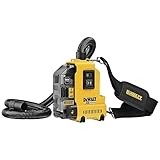
A dust collector pulls air through a duct system, separates larger chips, and sends the remaining air through a filter. Fine particles that pass through the filter leave with the exhaust. A well-maintained collector with a sound, appropriately rated filter can return clean air to the shop; a leaking filter, poor seal, or overloaded bag can release visible dust and finer particles.
Outdoor exhaust avoids returning that filtered air to the room, but it does not make the collection system itself more effective. The hood, duct layout, airflow, and filter still matter. If a machine’s small dust port captures little at the source, sending the collector exhaust outside will not fix the dust that escaped into the shop in the first place.
Indoor versus outdoor exhaust
| Consideration | Exhaust indoors | Exhaust outdoors |
|---|---|---|
| Heat and air conditioning | Keeps conditioned air in the building | Removes indoor air; replacement air must come in |
| Filter performance | Depends heavily on filter rating, fit, and maintenance | Fine filter leakage is discharged outside |
| Installation | Usually simpler; no exterior duct or wall penetration | Needs a suitable outdoor route and weather protection |
| Noise and neighbors | Noise remains in the shop | Exhaust noise may carry outdoors |
| Dust near the outlet | Not applicable outside, though a poor filter can dirty the shop | Can dirty siding, patios, or nearby windows and intakes |
When indoor exhaust makes sense
For a small heated garage shop, keeping exhaust indoors is often the practical choice. In cold weather, a collector that moves 800 cubic feet per minute outdoors can remove roughly 800 cubic feet of room air every minute while running. That air has to be replaced through doors, leaks, or a planned intake. In a tight shop, the resulting draft and heating cost can be more troublesome than the collector itself.
Indoor exhaust is reasonable when the collector has a suitable filter, the filter and housing seal properly, and you maintain the system. Check the manufacturer’s stated filtration rating and its test basis; a number without context is hard to compare. Inspect seams, clamps, and the clean-side plenum for leaks. Empty bags before they are packed full, and clean or replace filters as directed. A cyclone or separator can reduce the amount of debris reaching the filter, but it does not replace filtration.
If you want added protection without losing conditioned air, consider a properly sized fine-particle dust collector filter that is compatible with your collector. A separate shop air cleaner can reduce airborne dust after it escapes a tool hood, but it is not a substitute for source capture or a well-sealed collector.
When outdoor exhaust makes sense
Venting outdoors is worth considering if you work with dusty materials for long sessions, have a collector with imperfect filtration, or can exhaust without sending dust toward people or building openings. It can also suit an unheated shop where losing conditioned air is not a concern. Do not assume that an open window is a safe outlet: wind can push exhaust back inside, and dust can settle on a neighbor’s property or your own outdoor work area.
Plan the make-up air as carefully as the exhaust. Provide a path for replacement air that does not pull rain, leaves, or debris into the shop. In a heated space, winter intake air can make the work area cold and increase heating demand. In a tightly sealed building, exhausting a large volume of air can also create pressure problems and affect combustion appliances. Get qualified advice before operating a large exhaust system near a fuel-burning heater, furnace, or water heater.
Keep the outlet away from doors, windows, outdoor air intakes, and places where people sit or work. Follow the collector maker’s guidance on duct size and allowable exhaust arrangements; a long, narrow run or several sharp bends can restrict airflow. Use a termination that sheds rain without choking the system, and check periodically for nests or accumulated debris. Never discharge into an attic, crawlspace, or wall cavity.
Check before changing the setup
First, look for the actual problem. Dust on shelves may come from a leaking clean-side connection, a clogged filter, or poor capture at the saw—not from the choice to return air indoors. With the collector running, check accessible joints for leaks and inspect the filter surface and housing. If the collector’s airflow falls noticeably as the bag fills, empty it and check the filter before adding duct length or fittings.
For a collector that will remain indoors, a particulate monitor can help compare conditions before and after changes, though inexpensive monitors are indicators, not proof of safety. Take readings in the same location and under similar conditions; a brief low reading does not establish that all fine dust has been captured.
Before cutting an exterior opening, compare the cost of the duct, wall penetration, weatherproof termination, and make-up-air arrangements with the cost of improving indoor filtration. For a modest hobby shop with a sound collector and good source capture, indoor exhaust is often the cheaper, simpler answer. Outdoor venting is more compelling when filtration is inadequate or the shop can tolerate the lost air and manage the outlet responsibly. Whatever you choose, wear a suitable respirator for dusty tasks and keep collection equipment and filters maintained.