What's inside
As an Amazon Associate I earn from qualifying purchases. This post may contain affiliate links at no extra cost to you.
What the two approaches mean
A CNC router produces dust differently from a table saw or miter saw. The cutter is spinning at high speed, often below the work surface, and it can throw chips in every direction. Your extraction setup has to capture material at the cutting point rather than relying on general shop ventilation.
A dust shoe surrounds the router bit with a brush skirt or flexible seal. A hose connects to the shoe, pulling chips away as they are made. An open extraction setup uses a hose, nozzle, or nearby pickup without enclosing the bit. The nozzle may sit behind the router, beside the cutter, or above the spoilboard.
As an Amazon Associate we earn from qualifying purchases at no extra cost to you.


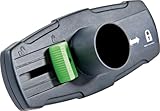
The choice affects cleanliness, visibility, tool clearance, maintenance, and how easily you can machine different materials. Neither setup is automatically best for every CNC workshop.
Where a dust shoe works best
A good dust shoe is the most effective option for routine cutting in plywood, MDF, solid wood, and similar sheet goods. The brush skirt keeps the extraction airflow close to the cutter, where it can catch chips before they spread across the table. With a suitably sized hose and extractor, it can remove most visible waste at the source.
For a typical hobby CNC router, a 2.5-inch hose is common. A 4-inch hose generally moves more air and is preferable if your dust collector can support it, but the shoe inlet and hose should match. Reducing a 4-inch collector to a narrow 1-inch passage at the shoe wastes much of the collector’s capacity.
Look for a shoe with a clear front section or a brush arrangement that lets you see the cutter. Magnetic or tool-free mounts are useful when you need to change bits, set work zero, or inspect a failed cut. If you need a replacement, compare CNC router dust shoes with brush skirts by hose size, mounting method, and maximum bit diameter rather than appearance alone.
The skirt must sit close enough to the work to contain chips, but not so low that it drags across clamps or catches on raised work. A brush extending 1/4 to 1/2 inch below the shoe is a practical starting point. Excessively long bristles can fold inward, restrict airflow, and obscure the cut.
Dust shoe failure modes
A dust shoe does not fix an undersized extractor. A compact shop vacuum may create strong suction at the hose opening but move too little air once a long hose, separator, and brush skirt are installed. Fine MDF dust may still escape, and coarse chips can clog the shoe inlet.
Static pressure is only part of the story. A router dust shoe needs useful airflow, and a restrictive filter or full collection bag can reduce performance quickly. Keep the hose as short and straight as practical, clean the filter regularly, and check for leaks around the shoe. A small cyclone separator is worthwhile when cutting large quantities of wood; it keeps chips out of the vacuum filter and preserves suction.
Brushes also create clearance problems. They can snag on clamps, tabs, screws, and uneven stock. If the brush catches while the machine is moving, it can shift the workpiece or lose steps on a light CNC. A removable or hinged shoe makes these incidents easier to recover from.
When open extraction is the better choice
Open extraction is often the cheaper and more flexible solution for occasional CNC work. A hose held near the cut can collect a useful amount of waste without requiring a dedicated shoe. It is especially practical for engraving, shallow surfacing, sign work, and jobs where the toolpath or workholding changes frequently.
It also helps when a dust shoe cannot fit. Large clamps, vacuum tables, rotary fixtures, tall stock, and angled work can all interfere with a brush skirt. For these jobs, a flexible hose with a rigid nozzle positioned 1 to 3 inches from the cutter may be easier to use.
Open extraction is a reasonable choice if you are cutting small parts for only a few minutes, already have effective respiratory protection, and are willing to vacuum afterward. It is not a substitute for source capture during long MDF or plywood jobs. The escaping dust settles on linear rails, lead screws, electronics, and nearby benches, where it becomes a maintenance problem.
A 2.5-inch dust collection hose and nozzle can make a basic open setup usable. Mount the hose to the machine frame rather than holding it by hand, and leave enough movement for the gantry. A hose that pulls against the router can distort the cut or cause missed steps.
Dust shoe versus open extraction
| Factor | Dust shoe | Open extraction |
|---|---|---|
| Capture performance | Usually best for continuous cutting | Variable; depends heavily on nozzle position |
| Initial cost | Moderate, plus hose and fittings | Low if you already own an extractor |
| Visibility | Can be restricted by brushes or chips | Excellent around the cutter |
| Clamp and fixture clearance | Potentially troublesome | Usually easier |
| Setup consistency | Repeatable once adjusted | Requires careful nozzle placement |
| Best use | Production cutting and dusty sheet goods | Engraving, short jobs, and unusual workholding |
Match the extractor to the router
For a small desktop machine, a quality shop vacuum with a fine dust filter can be adequate, especially with a dust shoe and short hose. Use a separator if the job produces a lot of chips. For larger machines or frequent sheet cutting, a real 4-inch dust collector for a CNC router is generally the better investment.
Do not judge an extractor by motor horsepower alone. Check its airflow, filter area, hose compatibility, and how quickly the filter loads with fine dust. A collector that moves high air volume through a 4-inch hose may outperform a loud shop vacuum once both are connected to a dust shoe.
Fine dust requires more than capture at the machine. Wear a properly fitted respirator when cutting MDF, composites, or dusty hardwoods, and ventilate the room. If the machine is unattended, use an extractor with thermal protection and keep the hose and power leads clear of the gantry.
Which setup should you buy?
Choose a dust shoe if CNC routing is a regular part of your workshop, particularly if you cut MDF or plywood, run long jobs, or want to keep dust off your workbench and storage shelves. Spend more effort on hose diameter, filter maintenance, and a reliable mount than on decorative features.
Choose open extraction if the CNC is used occasionally, your cuts are short, visibility is more important than maximum capture, or your fixtures make a shoe impractical. The cheaper option is fine when the material is clean, the job is brief, and you still use respiratory protection and clean the machine afterward.
The most useful arrangement for many workshops is not either-or: use a dust shoe for normal cutting, then keep a flexible open nozzle for probing, surfacing, engraving, and awkward fixtures. That combination costs less than rebuilding the machine around one restrictive setup and covers more real-world jobs.