What's inside
As an Amazon Associate I earn from qualifying purchases. This post may contain affiliate links at no extra cost to you.
Dust collection prevents more than a messy shop. Fine wood dust can collect on motors, lights, shelves, and horizontal surfaces, then ignite from a spark, hot bearing, or electrical fault. A dust collector can also create static discharge, pull burning material through ductwork, or spread a fire faster than a shop vacuum. Inspect the entire system—not just the filter bag—before relying on it for daily work.
Our Top Picks
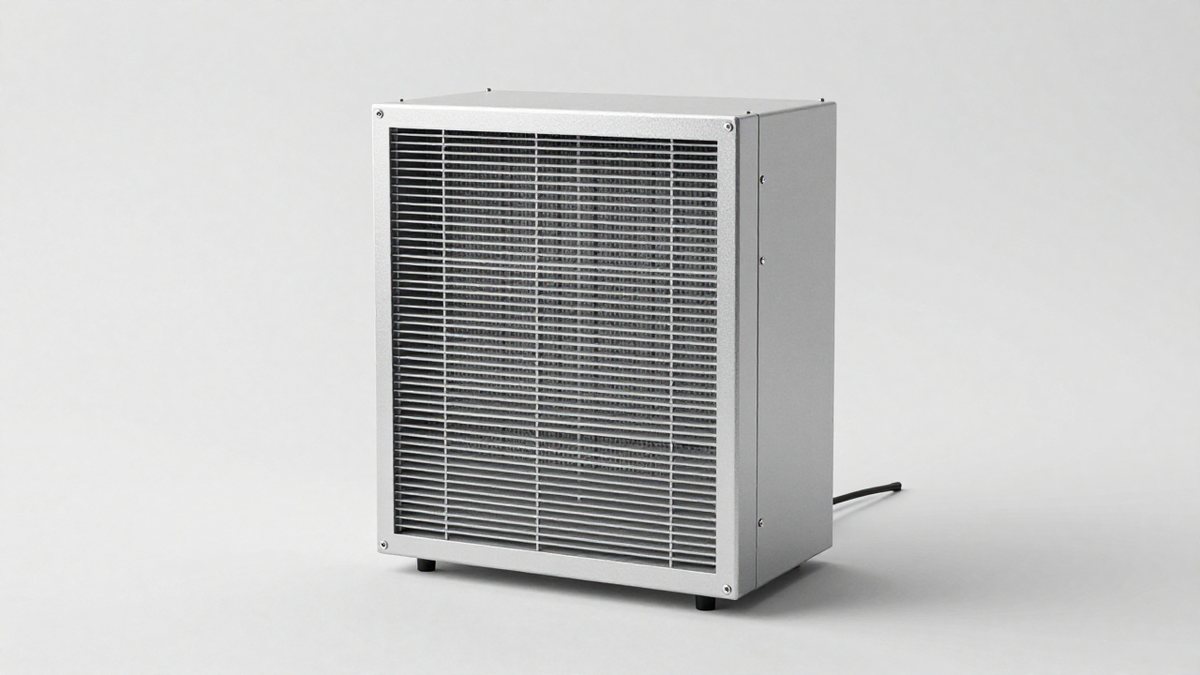
 WEN 1-Micron Canister Filter Cartridge with Cleaning Paddles19-5/8” x 24”19.63 x 19.63 x 24 InchesCheck on Amazon

Start With the Dust and the Layout
Identify which machines make the finest, most easily suspended dust. Sanders, routers, table saws, planers, and drum sanders usually create more fire risk than a hand saw or drill press. A collector that handles chips well may still perform poorly at capturing fine dust at the tool.
Walk the duct route from each machine to the collector. Look for long flexible-hose runs, sharp bends, unnecessary reducers, dead-end branches, and leaks. Flexible hose creates more airflow resistance than smooth metal pipe, especially when it is stretched poorly or sagging. Keep hose runs as short as practical and use sweeping bends instead of tight elbows.
Check that blast gates actually close. A gate stuck half-open wastes suction at every other machine. A simple airflow test is to hold a strip of tissue near the tool hood while the machine is running. This does not replace an airflow meter, but it can reveal a disconnected hose or a gate that is leaking badly.
Inspect the Collector and Filter
Unplug the collector before opening it. Examine the motor housing, switch, wiring, plug, and extension cord for heat discoloration, melted insulation, loose terminals, or a burning smell. A motor that trips its breaker, runs unusually hot, or produces a grinding noise needs repair before continued use.
Inspect the impeller through the housing access point if the design allows it. Remove packed chips and check for cracked blades, bent metal, or rubbing marks. A damaged impeller can throw fragments through the collector and create sparks. Never reach into the housing while the unit is connected to power.
Check the filter for tears, gaps around the mounting ring, and heavy cake buildup. A clogged filter reduces airflow and forces the motor to work harder. A damaged filter lets fine dust pass into the room, where it can settle on hot surfaces and electrical equipment. For a typical small shop, a properly fitted cartridge filter rated around 1 micron or finer is a sensible upgrade over a loose fabric bag. Shop owners replacing a worn filter can compare 1-micron dust collector cartridge filters.
Keep the collection bag below its safe fill line. As a practical rule, empty it when it is roughly two-thirds full rather than waiting until it is packed tight. A full bag restricts airflow and can let dust contact the motor or collector housing. Use the correct bag material and size; improvised plastic liners can collapse into the inlet or generate static unless the system is designed for them.
Look for Ignition Sources
Dust becomes dangerous when it is suspended in air at the right concentration and meets an ignition source. The most common shop mistakes are allowing hot material into the collector and letting electrical equipment become buried in dust.
| Hazard | What to inspect | Practical correction |
|---|---|---|
| Hot or burning chips | Recent cuts in metal, nail strikes, friction, and glowing debris | Never connect a wood collector to metal-grinding or welding cleanup; use a separate rated system |
| Motor and wiring | Dust buildup, hot smell, damaged cord, tripped breaker | Clean externally, repair faults, and provide the correct circuit protection |
| Static discharge | Plastic ducting, shocks, crackling, and dust clinging to hose walls | Use suitable conductive or grounded ducting and have electrical grounding verified |
| Accumulated surface dust | Dust layers on rafters, lights, shelves, and collector tops | Vacuum with a suitable machine; do not blow dust into the air with compressed air |
Never use a wood dust collector for sparks, ash, fireplace debris, aluminum dust, or steel grinding dust. These materials can ignite inside the collector or react with one another. A separate metal grinding dust collector with spark protection is the safer category for that work. Even then, follow the manufacturer’s limits; a spark arrestor is not permission to collect hot debris.
Check Ducting, Grounding, and Separation
Inspect every joint for gaps, loose clamps, and crushed hose. Leaks reduce capture at the tool and allow dust to escape into the shop. Metal ducting is generally more durable and smoother inside than thin flexible hose. Flexible hose is fine for a short final connection—often 2 to 4 feet—but using it for an entire branch usually costs noticeable airflow.
Static grounding deserves careful attention. A bare copper wire wrapped around the outside of plastic duct is not automatically an effective ground; the dust may never be electrically connected to it, and the wire may not be bonded correctly. Metal duct systems should be electrically bonded and connected to an appropriate ground by someone competent with electrical work. If you use plastic duct, follow the collector and duct manufacturer’s instructions rather than assuming a homemade wire solves the problem.
Do not depend on grounding to prevent every fire. Static is only one possible ignition source, and a grounded system can still ignite from a hot chip, failed bearing, or electrical arc.
Inspect the Room and Cleaning Routine
Keep the collector away from piles of scrap, solvents, finishes, cardboard, and other fuel. Leave access around the motor and filter so heat can dissipate and inspections are possible. Keep flammable liquids in an approved cabinet, not beside the collector or under a workbench.
Clean settled dust regularly with a properly filtered vacuum. A shop vacuum equipped with a fine-dust or HEPA-rated filter is useful for shelves, ledges, and the collector exterior; replacement HEPA shop-vac filters for fine dust are often cheaper than upgrading the main collector. Do not sweep fine dust into clouds or use compressed air around the collector, motor, lights, or ceiling.
Install smoke alarms where they can be heard from occupied areas, but do not treat an alarm as a substitute for inspection. If the system shows smoke, sparks, a sudden change in motor noise, or a hot electrical smell, shut it down, disconnect power if safe, and investigate only after the equipment is cool. When dust accumulates quickly, the collector overheats, or the shop handles large quantities of combustible dust, have the installation reviewed by a qualified electrician or fire-safety professional.
Related guides
More from Amazon
Programs that pair well with the guide above. Offers and eligibility are set by Amazon and may change.
A free business account with business pricing and bulk-buying tools for work, shop or home office.
Create a business accountFree shipping on eligible items, Prime Video and more. Eligible new members can start with a free trial.
Start a Prime free trialAudiobooks and podcasts to listen to on the go. Eligible new members can start with a free trial.
Try Audible freeAd-free music streaming. Eligible new subscribers can start with a free trial.
Try Music Unlimited freeAs an Amazon Associate we earn from qualifying purchases.