What's inside
As an Amazon Associate I earn from qualifying purchases. This post may contain affiliate links at no extra cost to you.
Why Dust Collection Fires Start
Most workshop dust fires begin with one of three ignition sources: a spark or hot fragment entering the collector, heat building in a motor or bearing, or oily material heating in a bin or rag pile. Fine wood dust makes the problem worse because suspended dust can burn rapidly, while a settled layer can smolder unnoticed.
A dust collector is not a fireproof appliance. A typical hobbyist collector or shop vacuum is designed to move air and debris, not to contain an explosion. Never use a standard collector for sanding or cutting metal unless the manufacturer specifically approves it. A single hot spark can travel through the hose, ignite dust in the filter or bag, and send burning material into the collection bin.
As an Amazon Associate we earn from qualifying purchases at no extra cost to you.
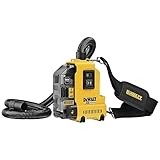
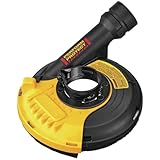
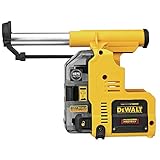
Also treat dust buildup as a fire load. A thin film on a motor housing, light fixture, or horizontal shelf is easier to ignite than a clean surface. Keep the area around the collector, outlets, and electrical panels clear enough to inspect and clean.
Control Ignition Sources Before They Reach the Collector
Do not connect a woodworking dust collector to a machine that may produce sparks unless the entire system is rated for that service. Metal fasteners hidden in reclaimed lumber are a common cause of trouble. Inspect boards with a metal detector, remove screws and nails, and avoid running questionable stock through a planer or jointer.
Separate metal grinding, welding, and woodworking. A spark-producing grinder should have its own suitable spark-control setup and should not share a hose or collector with wood dust. Even a small amount of glowing abrasive debris can remain hot long enough to ignite a filter or dust pile.
Check collector motors, switches, and cords for overheating, damaged insulation, and loose connections. Leave the motor’s cooling openings unobstructed. A thermal overload protects against some electrical faults, but it does not make a dust collector safe when its filter is packed, its impeller is jammed, or its bearings are failing.
For shops that routinely process large volumes of fine dust, consult a qualified dust-control professional about grounding, bonding, explosion relief, and local fire-code requirements. Bonding metal duct sections can reduce static buildup, but a grounding wire alone does not prevent every dust explosion.
Choose and Maintain the Collection Equipment
Use a collector with enough airflow for the tool and keep the duct run as short and smooth as practical. A 4-inch hose commonly needs roughly 350 to 450 CFM at the tool, while a larger open machine may need 600 CFM or more. Actual airflow falls sharply with long hoses, small fittings, blast gates, and clogged filters.
For a small shop, a cyclone separator or pre-separator is often a worthwhile fire-prevention purchase. It removes much of the chips and heavier dust before they reach the filter, reducing filter loading and motor strain. It is not a spark arrestor and will not stop a hot ember, so it should not be treated as one.
Choose a replacement dust collector canister filter that fits the collector and is rated for fine dust. A clogged filter reduces airflow and can overwork the motor. Clean filters outdoors using the manufacturer’s method; do not blow a large cloud of dust around an occupied shop.
| Collection setup | Best use | Fire-prevention trade-off |
|---|---|---|
| Shop vacuum with fine filter | One handheld tool or small benchtop machine | Convenient and inexpensive, but the small filter clogs quickly and the unit is not intended for sparks |
| Single-stage dust collector | Occasional use with a planer, saw, or router | Moves useful air, but more chips and dust reach the filter and motor |
| Cyclone with sealed bin | Frequent use and larger machines | Lower filter loading and easier emptying; costs more and still cannot safely accept hot debris |
| Engineered commercial system | High-volume or professional production | Can include isolation and explosion protection, but requires professional design and maintenance |
Empty Bins and Filters Safely
Empty the collection bin before it is packed full. A practical hobby-shop rule is to empty it at about two-thirds capacity, or sooner if airflow drops. A full bin can restrict air movement, increase motor load, and make a small smolder difficult to find.
Move the bin outdoors before opening it when practical. Wear eye protection and a suitable dust mask or respirator, and avoid creating a dust cloud with compressed air. Inspect the contents for warm spots, smoke, or an unusual burnt odor. If material is hot, do not carry it through the house or leave it beside the building. Follow local fire-department guidance; wetting the material in a metal container outdoors may be appropriate, but water can react with some finishing chemicals.
Never put oily rags, solvent wipes, or finishing waste into a wood-dust collector. Lay oil-soaked rags flat outdoors away from buildings until they are handled according to the product label, or store them in an approved self-closing oily-waste container. Spontaneous heating is a separate hazard from dust sparks.
Inspect Ducts and Keep the Shop Clean
Use smooth metal ducting where possible and seal joints so dust does not escape into wall cavities or onto ceiling surfaces. Flexible hose is useful at the final connection, but its internal ridges add resistance and collect dust. Keep it as short as the layout allows. Inspect ducts and blast gates several times a year for packed deposits, especially after a drop in airflow.
Clean settled dust with a suitable vacuum rather than sweeping or using compressed air. A broom can suspend fine dust throughout the room, where an ignition source such as a heater, switch, or motor may be present. A HEPA shop vacuum is a sensible choice for cleanup, provided its manual allows the material being collected.
Add Early Warning and Emergency Controls
Install smoke alarms where permitted by the shop layout, but do not rely on a household alarm mounted directly in a dusty airstream. Keep a suitable fire extinguisher accessible near the exit, not hidden behind the collector. For ordinary wood and paper, an ABC extinguisher is commonly used; learn its operation and leave immediately if a fire is spreading or producing heavy smoke.
Use an emergency disconnect or clearly marked shutoff for the collector and major machines. A remote switch is convenient, but it should not encourage leaving machines running unattended. Shut down the collector after checking for abnormal noise, vibration, heat, or odor. Those symptoms are often the first warning of a bearing, belt, electrical, or airflow problem.
A Practical Inspection Schedule
Before each session, check the bin level, hose connections, filter condition, and nearby dust buildup. Weekly, vacuum the collector exterior, inspect cords and switches, and clean the area around the motor. Monthly, inspect duct joints, blast gates, grounding or bonding connections where used, and the condition of the bin seal. After any jam, spark, or burnt smell, stop using the system until the collector, hose, filter, and bin have been examined.
If your work involves reclaimed lumber, large quantities of MDF, commercial production, or any metal-processing operation, the cheap setup is no longer the sensible option. Spend money on separation, reliable airflow, proper housekeeping, and professional fire protection rather than assuming a larger fan alone solves the hazard.