As an Amazon Associate I earn from qualifying purchases. This post may contain affiliate links at no extra cost to you.
A garage woodworking shop fills with chips and fine dust fast. A table saw throws chips across the floor, a planer fills a bag in minutes, and a sander puts fine dust in the air that hangs long after the tool stops. A dust collector captures that waste at the source, pulling chips and dust through a hose into a bag or canister before it spreads across the garage. This guide covers the full class of dust collectors for garage woodworking shops, from a compact mobile unit that rolls to one machine at a time to two-horsepower canister machines that serve a fixed shop layout.
The site already has narrower guides for two-stage units, portable units, canister units, mini units and wall-mount units. This guide puts the whole class side by side so a garage shop owner can match one machine to the tools in the garage. The two-stage guide for garages covers two-stage units only; the five picks below cover the full range, including single-stage bag units and canister units, so the comparison here is broader than any one of those guides. None of the five picks below includes ducting. A ducting kit is a separate purchase that connects the collector to several machines at once, and it matters as much as the collector itself once a shop grows past one machine.
Airflow figures in this guide are maker figures, measured at the inlet with no hose attached. Real airflow falls with hose length, bends and a dirty filter, so treat the numbers as a way to compare machines. Judge each pick on the whole picture: airflow, filtration, power, inlet size, bag capacity and floor space.
What to look for
Airflow comes first. Match the collector to the hungriest tool in the garage. A table saw, a planer and a jointer throw heavy chips and need strong airflow at the port, while a sander needs less airflow but finer filtration, since sanding makes fine dust rather than chips. A collector in the 660 to 1,100 cubic feet per minute range serves one machine at a time in a garage shop. Two machines at once need more airflow, bigger inlets and blast gates that close off the machine not in use.
Filtration decides what stays in the air. A fabric bag catches chips and coarse dust, while a pleated canister catches finer dust and holds airflow longer between cleanings. The listings in this guide name 5-micron bags on one pick and 2-micron canisters on two picks. A lower micron figure means finer dust caught, and it matters most for sanding, where the dust is fine enough to hang in the air. One pick in this guide names no micron figure in its listing, so judge that one on airflow and bag size rather than filtration class.
Power decides where the machine can live. Three picks in this guide run on household 120-volt power, while two need a 220-volt or 230-volt circuit in the garage. Check the breaker and the outlet before buying, since a machine that needs 230 volts cannot run on a household outlet at all. A 14-amp motor draws close to the limit of a household circuit, so check what else shares that circuit before switching the collector on.
Inlet size decides how the collector connects to tools. A 4-inch port is the common size for garage machines, and it fits most table saws, planers and jointers with a 4-inch hose. A 6-inch inlet, or two 4-inch inlets, serves bigger tools or two machines through a wye fitting. Measure the dust port on each tool before buying, since a reducer that necks a 6-inch inlet down to 4 inches gives up airflow.
Bag capacity decides how often the shop stops for emptying. A 12-gallon bag fills fast behind a planer, while a 50-gallon bag and the 5.3 cubic foot bags on the canister picks last far longer. Empty the bag before it packs tight, since a packed bag chokes airflow and strains the motor.
Mobility matters in a garage that also parks a car. Casters and a mobile base let one collector roll from machine to machine, and a wall-mount option frees floor space entirely. Measure the floor space and the ceiling height before buying, since the canister units in this guide stand about 79 inches tall. Sound is the last check: the JET units list 80 decibels, which is loud enough that hearing protection belongs in the routine for long sessions.
The WEN 3401 is the compact pick in this guide, and it suits a small garage where one machine runs at a time. A 5.7-amp brushed motor drives a 6-inch impeller that moves up to 660 cubic feet of air per minute through a 4-inch dust port. The whole unit weighs 17 pounds, rolls on lockable swivel casters, and carries a handle, so it moves from the table saw to the sander without a second person. A wall-mount option is built in, which frees floor space in a garage that also parks a car.
The 12-gallon bag is the limit on this unit. It fills fast behind a planer, so a shop that planes rough lumber will empty the bag often. The listing names the motor, the impeller and the bag size rather than a micron figure for the bag, so judge the 3401 on airflow and size rather than filtration class. It is a one-machine collector, and it works best when the hose run stays short and the tool runs alone.
Evidence for this pick is the strongest in the guide. A November 2026 roundup verified the listing live through the Amazon product API and found it in stock, ranking it among the best sellers in the dust collector category, and import mirrors from three to four days ago show the same listing. A social post from September 2026 shows the Amazon listing with more than 200 bought in the past month. The 3401 is the right pick for a garage shop that needs a light, mobile collector for one machine at a time and has no 220-volt circuit to spare.
The WEN DC1300 is the value pick for a garage shop that runs bigger tools. A 14-amp motor moves up to 1,300 cubic feet of air per minute, which is double the airflow of the compact WEN above, and the 5-micron filter and 50-gallon collection bag suit a shop that runs a planer or a jointer for long sessions. The mobile base rolls the unit to the machine, and the large bag means fewer stops for emptying than the 12-gallon bag on the compact pick.
The 14-amp motor is the thing to check before buying. It draws close to the limit of a household circuit, so check the breaker and what else shares that circuit before switching the collector on. The listing names a 5-micron filter, which catches finer dust than a coarse bag, and the 50-gallon bag is the largest capacity in this guide. A November 2026 roundup verified the listing live through the Amazon product API and found it in stock with only 18 left, and import mirrors from three to seven days ago show the same listing. That low stock note means the listing deserves a live click before buying, since a listing with few units left can sell through between checks.
The DC1300 fits a garage shop that has outgrown a compact collector but still runs on household power. It moves enough air for a planer and a jointer, it holds enough chips to finish a session without emptying, and it rolls out of the way when the car comes back in. It is the middle of this guide on airflow and the largest on bag capacity, and it is the pick to choose when one machine at a time needs real airflow without a 220-volt circuit.
JET DC-1100VX-CK 1.5 HP Vortex Cone Dust Collector
JET DC-1100VX-CK 1.5 HP Vortex Cone Dust Collector
The JET DC-1100VX-CK is the canister pick for a garage shop that runs on household power. A 1.5 horsepower motor moves 1,100 cubic feet of air per minute, and a 2-micron pleated canister catches finer dust than any bag in this guide. The Vortex Cone sits below the filter chamber and drops most chips into the lower bag before they reach the canister, which keeps the filter clear and holds airflow longer between cleanings. The collector bag holds 5.3 cubic feet, and the unit rides on four casters.
Power is the reason this pick stands out. It runs on 115 or 230 volts and comes prewired for 115 volts on a 20-amp circuit, so it plugs into a household outlet that the 230-volt machines in this guide cannot use. The inlet takes a 6-inch hose or two 4-inch hoses, which suits a shop with two machines or one big tool. The listing names an 80 decibel sound level, a 5-year warranty, and model number 708659K. The Amazon product page opened for this pick shows the listing with buying options, and a November 2026 roundup verified it live through the Amazon product API and found it in stock, ranking it among the best sellers in the category.
The canister is the upgrade over a bag. A pleated canister holds more surface area than a fabric bag, so it clogs slower and cleans with a turn of the handle rather than a shake. The trade is size and weight: the unit stands about 79 inches tall and takes real floor space, so measure the garage before buying. For a shop that sands often and wants finer filtration without a 230-volt circuit, this is the pick.
The JET DC-1200VX-CK1 is the two-horsepower canister pick, and it shares the Vortex Cone and the 2-micron pleated canister with the 1.5 horsepower JET above. A 2 horsepower motor moves 1,200 cubic feet of air per minute, and the collector bag holds 5.3 cubic feet. The listing names model number 710702K, a 5-year warranty, and a sound level of 80 to 85 decibels. A November 2026 roundup verified the listing live through the Amazon product API and found it in stock, ranking it among the best sellers in the category, and a second roundup checked on November 27, 2026 lists the same Amazon listing.
The difference from the 1.5 horsepower JET is power and airflow on one side, and the circuit on the other. This unit runs on 230 volts only, so it needs a 240-volt circuit in the garage, and it cannot run on a household outlet. That is the single most important fact about this pick: a shop without a 240-volt circuit cannot use it at all. For a shop that has the circuit, the extra motor power and airflow serve a planer and a jointer better than the smaller JET, and the canister keeps fine dust out of the air during sanding.
The two JET picks share the same canister, the same bag and the same warranty, so the choice between them comes down to the circuit and the tools. A shop on household power takes the 1.5 horsepower unit; a shop with a 240-volt circuit and bigger tools takes the 2 horsepower unit.
The Shop Fox W1666 is the highest airflow pick in this guide, at 1,550 cubic feet of air per minute from a 2 horsepower motor. It is a bag unit rather than a canister unit, with a fabric upper filter bag and a lower collection bag, and it suits a garage shop that wants maximum airflow for a planer or a jointer and accepts a bag filter in return. The live site guide for two-horsepower collectors names this same model at 1,550 cubic feet per minute, which matches the maker figure used here.
Power is the catch. The W1666 runs on 220 volts only, so it needs a 220-volt circuit in the garage, and a shop on household power alone cannot use it. The evidence for this pick is the weakest in the guide, so it deserves a live click first. A mirror from eight days ago shows the listing fulfilled by Amazon, a tracker scan from four hours ago shows the listing active, and a retailer listing from two days ago shows the unit in stock, but the Amazon tracker figure is current only to April 2026. One tracker page also tied a different store code to the W1666 name on a page titled for the W1685, so confirm live that the listing names model W1666 before buying.
The W1666 is the pick for a garage shop that already has a 220-volt circuit and wants the most airflow in this guide. It trades the fine filtration of the JET canisters for raw airflow and a simpler bag design, and it costs less attention to filters and more attention to emptying the bag. Check the circuit, check the listing, and measure the floor space before buying.
Dust collector comparison
Collector
Airflow
Motor
Filtration
Inlets
Bag capacity
WEN 3401
660 CFM
5.7-amp
Bag, no micron figure listed
4-inch
12-gallon
WEN DC1300
1,300 CFM
14-amp
5-micron bag
Not listed
50-gallon
JET DC-1100VX-CK
1,100 CFM
1.5 HP
2-micron canister
6-inch or two 4-inch
5.3 cu ft
JET DC-1200VX-CK1
1,200 CFM
2 HP
2-micron canister
Not listed
5.3 cu ft
Shop Fox W1666
1,550 CFM
2 HP
Bag
Not listed
Not listed
Frequently asked questions
How much airflow does a garage shop need?
A garage shop that runs one machine at a time needs 660 to 1,100 cubic feet of air per minute for a table saw, a planer or a jointer, and less for a sander, which needs finer filtration more than raw airflow. Two machines at once need 1,200 cubic feet per minute or more, bigger inlets and blast gates that close off the machine not in use. Measure the hungriest tool first, then match the collector to it, and remember that hose length and bends cut real airflow below the maker figure.
Can one collector serve two machines at once?
Yes, when the collector moves enough air and the ducting fits the job. A collector in the 1,200 to 1,550 cubic feet per minute range can serve two machines through a wye fitting with a blast gate on each branch, closing the gate on the machine not in use. A compact 660 cubic feet per minute collector cannot serve two machines at once, and it works best with a short hose to one machine. A ducting kit is a separate purchase, and it needs blast gates, hose and fittings sized to the collector inlet.
Bag or canister filter?
A canister catches finer dust and holds airflow longer between cleanings, since the pleated surface clogs slower than a fabric bag and cleans with a turn of the handle. A bag is simpler, cheaper to replace and easier to empty, and it suits a shop that cuts more than it sands. For sanding, where the dust is fine enough to hang in the air, the 2-micron canister is the better choice. For planing and sawing, where the waste is mostly chips, a bag serves well and costs less to maintain.
How to choose
Match the collector to the hungriest tool first, then check the circuit. A shop on household power chooses among the two WEN picks and the 1.5 horsepower JET, while a shop with a 220-volt or 240-volt circuit can use the 2 horsepower JET or the Shop Fox. Measure the floor space and the ceiling height before buying, since the canister units stand about 79 inches tall and need room for the bag to come off. Plan the ducting as a separate purchase, with a hose and blast gates sized to the collector inlet, and keep the hose runs short where the collector sits far from the tool.
Empty the bag before it packs tight, since a packed bag chokes airflow and strains the motor, and clean the canister on the schedule the maker names. Wear a mask for fine dust even with a collector running, since no collector catches every particle at the tool. Click every listing live before buying, and click the Shop Fox listing first, since its evidence is the thinnest in this guide. A collector that fits the tools, the circuit and the garage is the one that gets used every session, and that is the one worth buying.
Disclosure: As an Amazon Associate, we may earn a commission from qualifying purchases made through links in this article, at no additional cost to you.
J
JD's Woodworks Editorial Team
We compare specs, warranty terms, long-term owner feedback and street pricing before anything earns a spot. Rankings are never paid.
Affiliate disclosure. As an Amazon Associate we earn from qualifying purchases at no extra cost to you. Prices accurate as of the date shown.
Table saws under the 1500 mark compared: the Grizzly G0771Z and Shop Fox W1837 hybrid saws with cast iron tables, 2 HP motors and T-square fences, specs from their listings.
Table saws for fine woodworking compared: the SawStop Professional Cabinet Saw and Powermatic PM1000, judged on fence precision, table flatness and vibration from listing specs.
Table saw combos explained: saws sold with a stand and accessories in one listing, what to check in the box, and which bundle fits your shop or jobsite.
Compare the best planer digital thickness gauges and digital readout kits for portable planers, with fit, resolution and mounting checks before you buy.
Model table saws for scale modelling and hobby work compared: the precision Proxxon FET 37070 and the compact Saker mini table saw, with specs taken from their Amazon listings.
Three CoreXY 3D printers for product development, each with the architecture stated on its listing: an enclosed multicolor machine, a large-format enclosed model and a heated-chamber model.

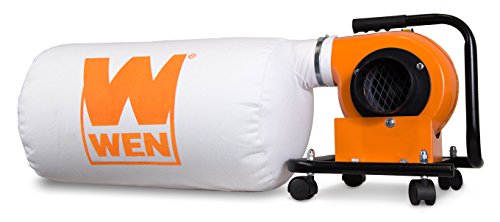 WEN 3401 5.7-Amp 660 CFM Dust Collector
 WEN DC1300 1,300 CFM Dust Collector
 JET DC-1100VX-CK 1.5 HP Vortex Cone Dust Collector
 JET DC-1200VX-CK1 2 HP Vortex Cone Dust Collector
 Shop Fox W1666 2 HP Dust Collector









