What's inside
As an Amazon Associate I earn from qualifying purchases. This post may contain affiliate links at no extra cost to you.
A separator between a shop machine and a dust collector can keep the collector’s filter cleaner and make chips easier to empty. Two common DIY choices are a cyclone separator and a Thien baffle. Both drop heavier debris into a collection bin before air reaches the filter, but they differ in cost, space, performance, and how fussy they are to build.
As an Amazon Associate we earn from qualifying purchases at no extra cost to you.
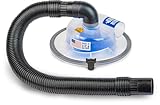


How the two separators work
A cyclone sends incoming air around a tapered chamber. The spinning flow pushes heavier particles toward the wall and down into a bin, while air exits through a central outlet. A cyclone separator is usually a molded plastic or metal part that you fit between the tool and collector.
A Thien baffle uses a circular plate inside or beneath a container. Air moves around the plate through a partial slot; chips fall through the opening into the bin, while the baffle interrupts the path that would carry them back up to the outlet. It is commonly made from plywood or sheet material and a suitable container.
At a glance
| Factor | Cyclone separator | Thien baffle |
|---|---|---|
| Up-front cost | Higher for a quality separator; lower-cost plastic units are available | Low if you already have materials and a compatible bin |
| Build effort | Usually simple installation, but duct transitions and mounting still matter | Requires accurate cutting, sealing, and fitting the baffle to the bin |
| Space | May need height for the cone and bin | Can be compact, depending on the container and layout |
| Collection performance | Generally dependable with chips and larger debris when sized and sealed correctly | Can work well, but results depend more on design and airflow |
| Best fit | Frequent use, mixed woodworking, or a ready-made setup | Budget builds, limited budgets, and comfortable DIYers |
What performance to expect
Neither device makes a small shop vacuum into a high-volume dust collector. A separator adds resistance, and a restrictive separator, undersized hose, or leaky lid can reduce airflow at the tool. That matters especially at a table saw or planer, where a 4-inch duct system needs much more air than a small 1.25- or 2.5-inch vacuum hose can provide.
For a shop vacuum serving a sander or router, a separator can catch a useful share of the debris and reduce how often you clean the vacuum filter. For a larger collector, it can keep chips and coarse dust out of the filter, but fine dust still reaches the filter. Keep an appropriate filter installed; a separator is not a substitute for filtration or good source capture.
Performance depends on sealing and airflow. Check the lid, bin, and duct joints for leaks. A lid that flexes under vacuum can distort the baffle gap or pull the bin out of shape. A separator that clogs, fills too high, or has a poorly placed outlet may send chips into the filter instead of dropping them into the bin. Empty the bin before debris reaches the separator’s inlet or baffle.
Which one should you buy?
Choose a cyclone if you want a straightforward add-on, use the collector often, or regularly make enough chips that filter cleaning is a nuisance. Ready-made units reduce fabrication guesswork, but check the inlet and outlet sizes against your hose or duct before ordering. An adapter may be needed, and every extra step or sharp reduction can cost airflow. A shop-vac cyclone kit is a sensible category to compare for a small vacuum-based setup.
A Thien baffle is a reasonable choice if you enjoy building shop fixtures and already have a rigid container, scrap plywood, and the tools to make a round plate cleanly. It can save money, particularly when the bin and fittings are on hand. But the savings shrink if you need to buy a container, seals, and several fittings, or if you spend hours correcting leaks. Use a sturdy bin with a lid that will not collapse under vacuum, and seal the baffle perimeter so air cannot bypass the intended path.
For occasional sanding or a small hobby shop, the cheaper DIY option is often fine. If you want less trial and error, buy a separator sized for the system rather than choosing by appearance or advertised horsepower. In either case, avoid assuming that a more aggressive separator automatically means better dust capture at the tool: adequate airflow and a well-fitting hood matter more.
Installation and safety checks
Mount the separator so the bin is accessible for emptying and the lid can be checked without dismantling the ductwork. Keep flexible hose runs short where practical; long, corrugated runs and tight bends add resistance. If the collector loses suction after installation, first inspect for a loose lid, blocked hose, full bin, or poorly matched fittings before blaming the separator.
Wood dust is a health hazard, and very fine dust can remain airborne even when the bin catches most chips. Use an appropriate collector and filter, connect the tool’s dust port, and clean settled dust with a suitable vacuum rather than blowing it around with compressed air. Follow the collector and separator manufacturers’ limits, especially if collecting hot material or anything other than ordinary workshop dust.
A practical decision
Buy a cyclone when convenience, repeatable performance, and less filter maintenance justify the extra cost. Build a Thien baffle when low cost is the priority and you can make a sealed, rigid assembly. Before spending money or cutting material, measure the available height, bin diameter, hose sizes, and collector connections. A separator that fits the layout and preserves useful airflow is better than a theoretically superior design that is awkward, leaky, or rarely emptied.