What's inside
As an Amazon Associate I earn from qualifying purchases. This post may contain affiliate links at no extra cost to you.
The short answer
A wet-dry vacuum is the better all-purpose cleanup tool: it handles spills, chips, and occasional dust collection at a lower cost. A dust extractor is built to capture fine dust at the source while a tool is running. If you regularly sand indoors or connect a sander, track saw, or router, an extractor with suitable filtration and automatic tool start is usually the better buy. If you mostly sweep up debris and only make fine dust occasionally, a shop vac with the right filter and dust bag can be enough.
These tools overlap, but they are not interchangeable in every job. The important differences are filtration, airflow under load, tool connection, and how often you need to clean the filter.
As an Amazon Associate we earn from qualifying purchases at no extra cost to you.


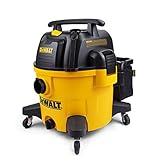
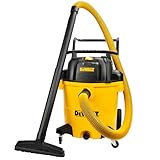
What each tool is designed to do
A typical wet-dry vacuum is designed to pick up general debris, including larger chips and, when configured for it, liquids. Its wide hose and strong suction at the nozzle make it handy for floor cleanup, car interiors, and tool connections. Many models, however, have basic filters and no reliable way to keep fine sanding dust from escaping or quickly choking the filter.
A dust extractor is intended to collect dust from a tool’s small dust port. It commonly has finer filtration, a filter-cleaning mechanism, a tool-triggered outlet, and a hose sized for power tools. Those details matter during a long sanding session: the extractor needs to keep pulling air as dust accumulates, not just produce high suction with an empty container.
Side-by-side comparison
| Feature | Wet-dry vacuum | Dust extractor |
|---|---|---|
| Best use | General cleanup, chips, occasional tool use | Fine dust captured at a tool port |
| Fine-dust control | Depends heavily on filter and bag; basic setups may leak or clog | Typically better filtration and filter maintenance for repeated use |
| Tool connection | Adapters often needed; automatic start is less common | Usually designed for tool hoses and may offer an automatic-start outlet |
| Wet pickup | Often supported, after changing the filter as directed | Usually not intended for liquids |
| Cost | Lower entry cost | Higher initial cost, especially with bags and accessories |
| Typical drawback | Filter clogs, suction drops, or fine dust escapes | More expensive; still needs the right hose, bag, and filter for the job |
Fine dust is the deciding factor
Fine dust is the main reason to choose an extractor. A sander can produce dust steadily for 20 or 30 minutes, and a small filter can load up fast. As the filter clogs, airflow at the tool drops. You may see more dust on the workpiece, feel the sander struggle to clear its pad, or find dust escaping around joints. A vacuum that seems powerful during a quick floor cleanup can disappoint when connected to a sander.
Check the filter rating and the manufacturer’s intended use rather than relying on a “HEPA-style” label or motor horsepower. For woodworking dust, a filter rated for fine particles and a dust bag that keeps debris off the filter can make a major difference. A bag also makes disposal cleaner. It does not replace ventilation or a suitable respirator when the task produces airborne dust.
For occasional sanding, a wet-dry vac can work if you install a fine-dust filter and a compatible collection bag, seal the hose connections, and clean the filter as directed. That is a reasonable budget setup for a small shop. If you sand frequently, the repeated filter cleaning and loss of airflow can cost more in time and frustration than the initial savings.
Choose by the work you actually do
Buy a wet-dry vac if your main jobs are picking up sawdust from the floor, collecting chips, cleaning vehicles, or dealing with small spills. It is also a practical first vacuum for a garage shop where tools are used only now and then. Look for a model with a readily available fine-dust filter and bags, rather than assuming the included filter will suit every task.
Choose a dust extractor if you regularly run a random-orbit sander, track saw, router, or similar tool indoors. A tool-triggered outlet starts the extractor with the tool and lets it run briefly after the tool stops, clearing dust from the hose. Check the outlet’s electrical rating against the tool you plan to plug in. Also check hose diameter: a bulky adapter or an ill-fitting reducer can restrict airflow or pull loose during use.
For a dedicated dust-collection setup on a table saw or planer, neither a compact shop vac nor a small extractor is automatically the right answer. Those machines produce more chips and need higher airflow through larger ports. A shop dust collector may be a better match. A vac or extractor can still help with small tools and bench cleanup, but expect poor chip pickup if the machine’s dust port and hose are too restrictive.
Setup details that prevent failures
Use the filter and bag specified for the material. A wet-dry vacuum’s standard filter may need to be removed for liquid pickup, while a dry-use filter can be damaged by water. Never assume the same configuration is safe for both modes; follow the vacuum’s instructions, empty it promptly, and dry the tank after wet use.
Fine dust can blind a filter in a short session if it has no bag, especially when sanding MDF or drywall. Stop when suction falls, clean the filter outside the work area if the manufacturer permits, and replace damaged filters. Don’t use compressed air indoors to blast dust off a filter: that simply puts the dust back into the shop air.
Keep the hose as short and straight as practical. Long hoses and tight bends reduce airflow, and a loose tool-port connection leaves dust at the source. Before buying, check whether the manufacturer sells adapters for your tools. For a basic fine-dust setup, compare the cost of a wet-dry vacuum with fine-dust filters and bags against a dust extractor with automatic tool start; include replacement bags and adapters, not just the machine price.
A practical buying rule
If you need one machine for mixed cleanup and occasional dust collection, choose a wet-dry vac and budget for the correct fine-dust filter, bags, and tool adapters. That is the economical choice when sanding is infrequent and you can pause to maintain the filter.
If fine dust is produced in most work sessions, buy an extractor designed for power tools. You pay more, but get a setup that is easier to connect and more consistent during extended use. Whichever you choose, connect dust collection before starting the tool, keep the filter in good condition, and treat vacuuming as one part of dust control—not a substitute for safe work practices.