As an Amazon Associate I earn from qualifying purchases. This post may contain affiliate links at no extra cost to you.
Swapping a straight-knife cutterhead for a helical head is one of the few upgrades that changes how a jointer or planer feels every single day: the cut runs quieter, figured grain tears out less, and a nicked edge stops meaning a full knife change. The catch is that a Shelix head is built for one exact machine, so the real decision is not whether helical cutting is better, but which head actually matches the jointer or planer already standing in your shop.
This guide compares four genuine Byrd Tool Shelix heads sold on Amazon: two versions built for the DeWalt DW735 planer, a 6-inch jointer head sold through Grizzly, and a 20-inch planer head for large stationary machines. Benchtop planer owners, 6-inch jointer owners, and production shops each land on a different pick, and every head below is listed with the machine fit and part number it is sold under, so you can check your own model before ordering.
Quick Picks
As an Amazon Associate we earn from qualifying purchases.
Product
Best for
Key spec from title
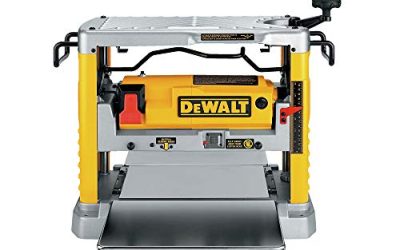
Byrd Tool Shelix Cutterhead for DeWalt DW735
DW735 owners who want the simpler install
13-inch planer head machined undersized
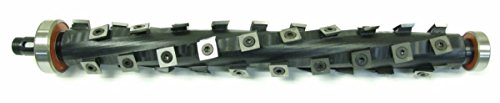
Byrd Tool OEM Shelix Cutterhead for DeWalt DW735
DW735 owners who want full stock diameter
OEM-diameter 13-inch planer head
Grizzly H7764 Byrd Tool 6-Inch Shelix Cutterhead
6-inch jointer owners
6-inch jointer head with carbide inserts
Byrd Tool H7769 20-Inch Shelix Cutterhead
20-inch planer owners
20-inch planer head with 100 carbide inserts
How to Choose
Start With the Exact Machine Model
A Shelix head is not a generic accessory. Byrd machines each head for a specific jointer or planer, down to shaft diameter, bearing seats, and cutting circle, so the model number of your machine decides everything. Two heads in this guide fit the same DeWalt DW735 yet carry different part numbers and different diameters, and the 6-inch jointer class splits into more than one cutting-circle variant. Read the model plate on your machine, match it against the fit named in the listing title and the part number, and treat a near match as no match at all. If your exact model is not named, ask the maker before ordering.
Match the Head Type and Cutting Width
Jointer heads and planer heads are different parts even when the widths look similar, because the shafts, housings, and chip breakers around them differ. Start by sorting heads by machine type, then by cutting width: a 6-inch jointer, the 13-inch benchtop planer class, or a 20-inch stationary planer. Width also decides insert count and upkeep over time, since a 20-inch head carries roughly three times the inserts of a 6-inch jointer head. Getting the width right is the obvious half; buyers regularly trip on the machine-type half of the match, especially with combination machines that joint and plane in one body.
Understand Diameter and Installation Differences
Diameter is where the two DW735 heads part ways. The standard head is slightly undersized so it slides through the planer chassis with its inserts still mounted, while the OEM head matches the stock diameter and needs its inserts removed and refitted during the swap. Neither approach changes the finished surface; it changes how your Saturday goes. Whatever head you choose, unplug the machine before opening it up and follow the maker’s installation instructions step by step, including any bearing and insert torque steps. Rushing a cutterhead swap is how inserts end up unseated and finishes end up striped.
Plan for Inserts and Long-Term Upkeep
Every head here uses small square carbide inserts instead of full-width knives, and that changes upkeep more than any other feature. A dull or nicked edge is handled by rotating one insert to a fresh side, and a damaged insert is replaced on its own rather than as part of a matched knife set. Check what arrives in the box before ordering: some heads include spare inserts and the torque driver for them, while others assume you already own one. Keeping a small stock of the correct inserts on hand means a mid-project nick costs minutes at the machine instead of days waiting on a delivery.
The 4 Best Options
Byrd Tool Shelix Cutterhead for DeWalt DW735
Top Pick
Byrd Tool Shelix Cutterhead for DeWalt DW735
Best for: DW735 owners who want the helical upgrade with the least involved installation.
Fits: DeWalt DW735 and DW735X 13-inch thickness planers
DW735 owners who want the helical upgrade with the least involved installation.
Watch out for
The reduced diameter makes this a different part from the OEM-size head; if you want an exact stock-diameter replacement, choose the OEM version below instead.
This is the original Byrd Tool Shelix head for the DeWalt DW735 and DW735X 13-inch planers, and it is the version most DW735 owners buy first. Its staggered rows of carbide inserts cut with a shearing action instead of the chop of three straight knives, and the head is machined roughly 0.088 inches smaller in diameter than the stock cutterhead. That small reduction is deliberate: the head passes through the planer chassis opening with the inserts still mounted, which removes the fiddliest part of the swap. It is made in the USA by Byrd Tool Corp.
Byrd Tool OEM Shelix Cutterhead for DeWalt DW735
Runner-Up
Byrd Tool OEM Shelix Cutterhead for DeWalt DW735
Best for: DW735 owners who want the replacement head at the full original diameter.
DW735 owners who want the replacement head at the full original diameter.
Watch out for
Installation takes longer because every insert is removed before the swap and refitted after; budget the extra time and follow Byrd’s torque guidance for each insert screw.
The OEM version of the DW735 Shelix head is machined to the same diameter as the cutterhead that came in the planer, so the cutting circle stays exactly stock. The trade-off is installation: because the full-size head will not pass through the chassis opening fully assembled, the inserts come off before the swap and go back on afterward, seated and torqued one by one. Byrd includes five extra inserts and a torque driver in the box for that job. If matching the original head diameter matters more to you than installation time, this is the DW735 head to order.
Grizzly H7764 Byrd Tool 6-Inch Shelix Cutterhead
Grizzly H7764 Byrd Tool 6-Inch Shelix Cutterhead
Best for: Owners of Grizzly, Jet, Powermatic, Ridgid, and similar 6-inch jointers still running straight knives.
Fits: 6-inch jointers, per the Grizzly H7764 listing
Owners of Grizzly, Jet, Powermatic, Ridgid, and similar 6-inch jointers still running straight knives.
Watch out for
This 6-inch class also exists in a second cutting-circle variant, so confirm your jointer’s exact model and cutting circle against the fit list before ordering.
The H7764 is the 6-inch jointer head in the Shelix line, made by Byrd Tool and sold under Grizzly’s brand. Grizzly lists it with 30 carbide inserts fitted plus five extras, a 63mm cutting circle, and a fit range that covers the Grizzly G1182 series built since 2003, the G0452 and G0654, and several Jet, Powermatic, Ridgid, and Shop Fox 6-inch jointers. Because one head covers that many machines, it is the most commonly stocked Shelix jointer head on Amazon, and it is the one most 6-inch jointer owners will end up ordering.
Byrd Tool H7769 20-Inch Shelix Cutterhead
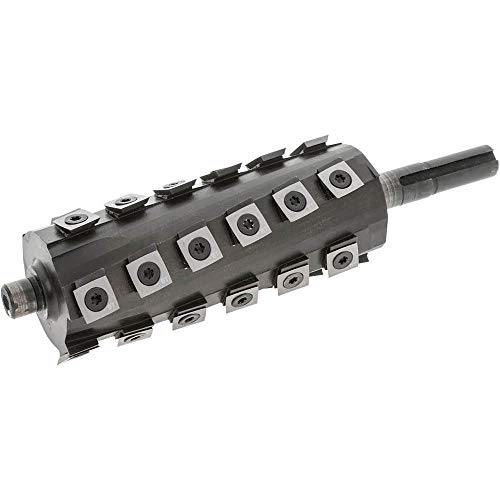
Byrd Tool H7769 20-Inch Shelix Cutterhead
Best for: Shops running a 20-inch stationary planer that surface wide stock every week.
Fits: 20-inch planers
Model number: H7769
Manufacturer: Byrd Tool
Inserts: 100 indexable carbide inserts, plus 5 extras
The H7769 scales the same Shelix design up to 20-inch stationary planers. The Amazon listing specifies 100 indexable carbide inserts with five extras in the box, and each insert can be rotated to present a fresh edge as it dulls. This is a head for wide, heavy planing work in shops that surface large panels and slabs regularly, where a straight-knife head means frequent full knife changes. Fit is the whole decision at this size: confirm your planer’s exact model and shaft arrangement with the maker before ordering, because a 20-inch head is built to machine-specific dimensions, not universal ones.
Which One Fits Your Situation
Your DeWalt DW735 Is Your Main Planer
If the DW735 surfaces nearly everything in your shop, either DW735 head in this guide transforms it, and the standard head is the easier first step because it installs with its inserts in place. Choose it when you want the quieter shear cut and simpler upkeep without turning the swap into a full afternoon of insert handling on a machine you rely on every day.
You Want the DW735 Head at Full Stock Diameter
Pick the OEM head when matching the original cutting circle matters to you, for example if your planer’s setup and depth references are already dialed in around the stock head. The price of that exactness is a slower installation, since every insert comes off and goes back on. For a planer that will keep this head for years, many owners accept that one-time effort.
Your 6-Inch Jointer Still Runs Straight Knives
The H7764 covers the most common 6-inch jointers in home and small professional shops, including long-running Grizzly, Jet, and Powermatic models. It suits jointers that flatten edges and faces daily, where straight-knife changes and tear-out on figured boards are the recurring annoyances. Confirm your model and cutting circle against the fit list first, because this size class has a near-twin variant.
You Run a 20-Inch Planer Every Week
For a stationary 20-inch planer in regular production use, the H7769 spreads upkeep across 100 inserts, so wear is handled one small rotation at a time instead of full knife changes. It fits shops surfacing wide panels and slabs where downtime is the real cost of a dull head. Verify the exact planer model fit with the maker first, since heads at this size are machine-specific.
Common Mistakes
Ordering by cutting width alone: a 6-inch head is not one single head, and jointers of the same width can need different shafts and cutting circles.
Confusing the two DeWalt DW735 versions: the standard and OEM heads fit the same machine but not the same diameter, and their installation processes differ.
Skipping the model check on older machines: makers changed cutterhead designs mid-production on several jointers, so the year and variant matter, not just the model name.
Starting the swap with the machine still plugged in: unplug the jointer or planer and follow the maker’s instructions before any cover comes off.
Reinstalling inserts without checking seating and torque: one unseated insert leaves a ridge on every board until it is found and reset.
Frequently Asked Questions
Are Shelix cutter heads universal?
No. Each Shelix head is machined for a named jointer or planer model, with the shaft, bearings, and cutting circle sized for that machine. A head that shares your machine’s cutting width can still be the wrong part. Match the exact model and part number in the listing to your machine, and when a maker lists sub-variants of the same machine, measure your current head before ordering.
What is the difference between the standard and OEM DW735 Shelix heads?
Diameter and installation. The standard head is machined about 0.088 inches smaller than stock, so it passes through the planer chassis with its inserts mounted. The OEM head matches the original diameter exactly, but its inserts must be removed before the swap and refitted afterward. Both cut the same way once installed; the choice is installation effort versus an exact stock cutting circle.
What happens when an insert gets dull or nicked?
You handle one insert instead of a whole knife set. Each square carbide insert can be loosened, rotated to a fresh edge, and retorqued, and a damaged insert is replaced individually. Some listings include spare inserts and the driver in the box, so check the contents before adding spares to the same order, and keep a few correct inserts in the shop so a nick never stops a project.
Can I install a Shelix head myself?
Many owners do, using the maker’s instructions and shop tools, and the undersized DW735 head is the most approachable swap. Work with the machine unplugged, keep track of insert positions on heads that come apart, and follow the specified torque for the insert screws. If your head needs bearings pressed or any step is unclear, let a machine shop finish the job rather than forcing a fit.
J
JD's Woodworks Editorial Team
We compare specs, warranty terms, long-term owner feedback and street pricing before anything earns a spot. Rankings are never paid.
Affiliate disclosure. As an Amazon Associate we earn from qualifying purchases at no extra cost to you. Prices accurate as of the date shown.
Four hobby TIG welders compared for home shops: AC/DC picks for aluminum, a compact DC model for steel, listed specs, included gear and honest tradeoffs.
The best Creality Falcon engravers compared: Falcon A1 10W, CR-Laser Falcon 10W, Falcon2 Pro 22W and Falcon2 Pro S 40W, by power, work area and enclosure.
The best CNC machines for manufacturing compared: large-bed routers and closed-loop desktop mills with the work area, spindle and control for batch work.

 Byrd Tool H7769 20-Inch Shelix Cutterhead