4 Best Chop Saw vs Table Saw Picks (November 2026)
Choosing between a chop saw vs table saw comes down to the cut. Compare two chop saws and two table saws, what each cuts well, and which side fits your shop.
As an Amazon Associate I earn from qualifying purchases. This post may contain affiliate links at no extra cost to you.
A chop saw and a table saw cut in different directions, and the right one follows the work you do most. A chop saw drops a spinning blade straight down through metal or lumber, so it crosscuts bars, tubes, and boards fast and square. A table saw spins a blade up through a flat table, so it rips long boards to width and cuts sheet goods with a fence. Many shops end up owning both, but when only one fits the budget, the choice should follow the cut, not the brand.
This guide is for home shop woodworkers, metal fabricators, and DIY builders who need to pick a side and want concrete models to compare. Every saw below was chosen from the name and specifications shown on its Amazon page, with two chop saws and two table saws shown side by side so the trade-off between the two tools is easy to see.
Quick Picks
As an Amazon Associate we earn from qualifying purchases
15 amp, 10-inch jobsite table saw with folding stand
How to Choose
Decide which cut you make most
The chop saw versus table saw question is really a question about which cut fills your day. A chop saw excels at crosscuts, cutting bars, tubes, angle iron, and boards to length with a fast straight drop of the blade. A table saw excels at rips, cutting boards to width along the grain and breaking down sheet goods with the fence as a guide. If most of your work is cutting stock to length, the chop saw wins. If most of your work is sizing boards and panels, the table saw wins. Count the cuts you actually make before you count the features.
Check the blade size and the capacity it gives
Blade size sets the cutting capacity of either tool, and it is worth checking before you buy. A 14-inch chop saw blade cuts through larger metal stock and wider boards in one pass than a smaller blade would, which matters for angle iron, tube, and thick lumber. A 10-inch table saw blade handles common board thicknesses and sheet goods, and the rip capacity of the fence decides how wide a panel you can cut. Match the blade and the capacity to the thickest stock you cut regularly, not to the thickest piece you have ever cut once.
Weigh portability against a fixed station
A chop saw is a compact machine that sits on a bench or a stand and moves easily to the work, which suits a garage shop and a jobsite alike. A jobsite table saw folds onto a stand and rolls to the next job, while a larger table saw stays put and becomes the center of the shop. Think about where the saw will live, how often it moves, and how much floor space you can give it. A saw that is hard to set up gets used less, no matter how capable it is on paper.
Saw safety belongs in the routine
Both saws spin a large blade at high speed, so the same safety habits apply to each one. Wear eye protection and hearing protection, keep hands clear of the blade path, and let the blade reach full speed before it touches the work. On a chop saw, clamp the stock and keep the guard in place. On a table saw, use the riving knife, the guard, and a push stick for narrow cuts, and never reach over a spinning blade. Unplug the saw before changing a blade, and keep the floor clear of offcuts and cords.
The 4 Best Options
Chop Saw: DEWALT D28730 14-Inch Chop Saw
Top Pick
Chop Saw: DEWALT D28730 14-Inch Chop Saw
Best for: Crosscutting metal stock to length quickly and squarely.
The DEWALT D28730 is a 14-inch chop saw, and it is the straightforward pick for cutting metal bar, tube, and angle iron to length. A chop saw drops the blade straight down through the stock, so crosscuts come out square and fast, and the 14-inch blade handles larger stock in a single pass. The machine is compact enough to sit on a bench or a stand, and it suits a metal fabricator or a home shop that cuts steel often. For anyone whose day is mostly crosscuts, this is the chop saw side of the comparison in its simplest form.
Watch out for: A chop saw cannot rip boards to width, so it is the wrong tool for sizing lumber and sheet goods.
Chop Saw: Makita LW1401 14-Inch Cut-Off Saw
Runner-Up
Chop Saw: Makita LW1401 14-Inch Cut-Off Saw
Best for: A second 14-inch chop saw for metal crosscutting in the shop.
The Makita LW1401 is a 14-inch cut-off saw, and it gives the chop saw side a second option in the same class. Like the DEWALT, it drops a 14-inch blade straight down through metal stock, so it crosscuts bar, tube, and angle iron to length with the same speed and squareness. A second model in the same class is useful when one is unavailable or when you want a spare machine for a second work area. The cutting action and the capacity follow the chop saw design, so expect the same fast crosscuts on metal stock.
Watch out for: It shares the chop saw limit, so it will not rip boards or cut sheet goods to width.
The Bosch 4100XC-10 is a 10-inch worksite table saw, and it is the pick for ripping boards and cutting sheet goods on the jobsite. A table saw spins the blade up through a flat table and guides the work along a fence, so long rips stay straight and repeatable. The worksite design is built to move, so it suits a builder who carries the saw to the job and back. For anyone whose day is mostly sizing lumber and breaking down panels, this is the table saw side of the comparison in its portable form.
Watch out for: A table saw is slower than a chop saw for cutting metal bar and tube to length.
The SKIL TS6307-00 is a 10-inch jobsite table saw with a 15 amp motor and a folding stand, and it is the pick for a home shop that wants a table saw that stores away. The folding stand lets the saw roll out for a project and fold flat against the wall when the work is done, which suits a garage where floor space is tight. The 10-inch blade and the fence handle common ripping and crosscutting jobs on boards and sheet goods. It is a practical table saw for a shop that needs the tool often but cannot give it a permanent station.
Watch out for: The folding stand trades some stability for portability, so it suits a home shop more than a production line.
Which One Fits Your Situation
Mostly crosscuts on metal stock
A 14-inch chop saw is the right tool when the day is mostly cutting bar, tube, and angle iron to length. The blade drops straight down, the cut is square, and the machine is compact enough to sit near the welding bench. Pick the DEWALT or the Makita in this guide and keep a supply of blades matched to the metal.
Mostly ripping boards and panels
A 10-inch table saw is the right tool when the day is mostly sizing lumber and breaking down sheet goods. The fence guides long rips, the table supports the panel, and repeat cuts stay consistent from board to board. Pick the Bosch worksite saw for jobsite work or the SKIL folding-stand saw for a garage shop. A chop saw cannot rip, so it would sit idle while the table saw does the real work.
A small shop that needs both cuts
A small shop that needs both cuts should buy the table saw first and add a chop saw later, since the table saw handles rips and crosscuts on wood while the chop saw only crosscuts. The table saw covers more of the work on its own, and a chop saw can join the shop when metal cutting becomes a regular job.
A jobsite that moves every day
A portable saw is the right pick when the work moves from site to site. The Bosch worksite table saw and the SKIL folding-stand saw both travel well, and a chop saw is compact enough to ride along too. Choose the tool that matches the cuts the job needs that week, and keep the blade matched to the material.
Common Mistakes
Buying a chop saw to rip boards, or a table saw to crosscut metal bar all day.
Ignoring blade size and rip capacity, then finding the saw cannot cut the stock at hand.
Skipping the riving knife, guard, or push stick on a table saw to save setup time.
Cutting without clamping the stock on a chop saw, which lets the piece shift mid-cut.
Giving a table saw a permanent station in a shop that needs the floor space for assembly.
Frequently Asked Questions
Can a table saw replace a chop saw completely?
A table saw can crosscut boards with a miter gauge, but it is slower than a chop saw for cutting metal bar and tube to length. A chop saw drops its blade straight down and finishes a metal crosscut in seconds, while a table saw needs the stock repositioned. Most shops cutting both wood and metal own both tools.
Can a chop saw cut wood?
A chop saw can crosscut lumber to length with the right blade, and many woodworkers use one for rough crosscuts. It cannot rip boards to width, so it will not replace a table saw for sizing lumber or cutting sheet goods. For wood, a chop saw is a crosscutting helper, while the table saw is the main sizing tool in the shop.
What size blade should a chop saw have?
A 14-inch blade is the common size for a chop saw because it cuts through larger metal stock and wider boards in one pass. Smaller blades cut less depth and need more passes on thick stock, which slows the work and wears the blade faster. Match the blade to the thickest stock you cut regularly, and keep a spare blade on hand.
Is a folding-stand table saw stable enough for a home shop?
A folding-stand table saw is stable enough for home shop work, and the stand folds flat so the saw stores against a wall. It trades a little rigidity for portability, so it suits a garage shop more than a production shop. Set the stand on a flat floor, lock the legs, and the saw will hold its line.
J
JD's Woodworks Editorial Team
We compare specs, warranty terms, long-term owner feedback and street pricing before anything earns a spot. Rankings are never paid.
Affiliate disclosure. As an Amazon Associate we earn from qualifying purchases at no extra cost to you. Prices accurate as of the date shown.
Miter saw vs table saw: compare crosscuts, rip cuts, accuracy, space, and value to choose the right saw for your shop and your first woodworking projects.
Compare five solar portable generators for shops, campsites, and outages, covering battery size, output, solar charging, outlets, and what to check first.
The best portable CNC machines for small shops and shared spaces, compared by footprint, weight, work area, and setup. Compact benchtop picks for wood, acrylic, and soft metal.
Find the best Penn Industries dust collector on Amazon: the PSI Woodworking DC3XX blower and the DC725 tabletop unit, compared on airflow, pressure, and shop fit.
Compare five large stationary horizontal metal band saws for fabrication shops on cutting capacity, motor, power supply, blade speed, and mitering before buying.
Find the best mortising chisel bits for clean square mortises in this guide: hollow-chisel sets and singles compared by size, shank, steel, and machine fit.
Find the best drill press base for your shop. Compare rolling stands and mobile bases by capacity, footprint, casters, locking, and setup before you buy.
Find the best dewalt planer dw734 blades for your 12-1/2-inch thickness planer. Compare OEM and aftermarket 3-knife sets, steel types, and fit before you buy.

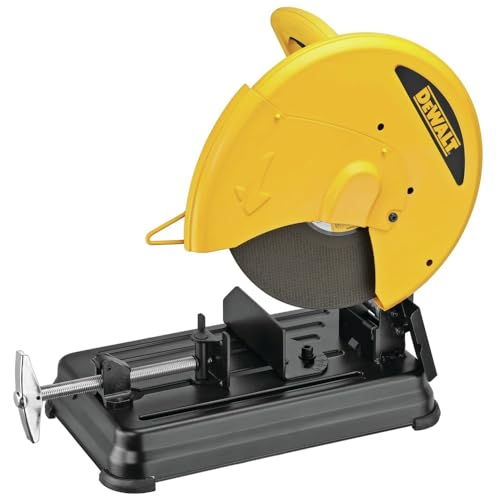

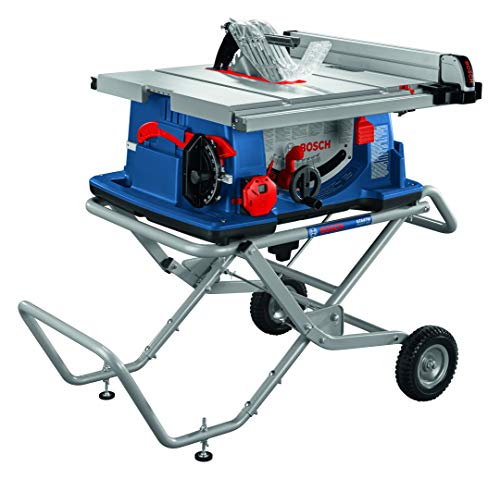
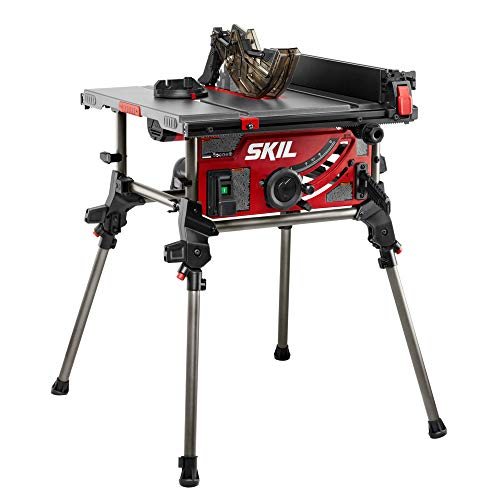 Table Saw: SKIL TS6307-00 10-Inch Jobsite Table Saw









