
What's inside
- Best Band Saw Cutting Fluids for Metalworking
- Quick comparison: which fluid fits your saw?
- Best overall: a 5% semi-synthetic coolant
- Best for difficult alloys: neat cutting oil
- Best for a clean, low-volume setup: minimum-quantity lubricant
- What to use for different metals
- Decision matrix for buying
- Application matters as much as the fluid
- What about the best band saw for cutting rocks?
- Bottom line
- Related Guides
As an Amazon Associate I earn from qualifying purchases. This post may contain affiliate links at no extra cost to you.
Best Band Saw Cutting Fluids for Metalworking
The best band saw cutting fluid for most metalworking is a water-mix semi-synthetic coolant at roughly 5% concentration, while a neat cutting oil is the better choice for slow, heavy cuts in stainless steel, tool steel, or other difficult alloys.
Choosing by brand alone is less useful than matching the fluid to the metal, blade speed, workload, and the way your saw applies coolant. A small horizontal saw used occasionally has different needs from a production saw running continuously. The comparison below focuses on lubrication, cooling, cleanup, compatibility, and ownership cost.
As an Amazon Associate we earn from qualifying purchases at no extra cost to you.

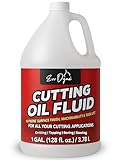


Quick comparison: which fluid fits your saw?
| Fluid type | Typical mix or use | Best for | Lubrication | Cooling | Cleanup and drawbacks |
|---|---|---|---|---|---|
| Water-mix semi-synthetic | 5% concentrate; 1 part concentrate to 19 parts water | General steel, aluminum, cast iron, frequent shop use | Good | Very good | Easy to pump and clean; concentration must be maintained |
| Water-mix synthetic | 3–5% concentrate; follow the label | High-speed cutting and maximum heat removal | Fair to good | Excellent | Clean-running, but may feel less lubricious on hard alloys |
| Neat cutting oil | Used undiluted | Stainless, tool steel, slow heavy cuts, intermittent use | Excellent | Fair | Messier, more expensive per gallon, and can smoke if overheated |
| Minimum-quantity lubricant | Light mist or drop-feed, commonly 20–100 ml/hour | Clean shops and aluminum or mild-steel work | Good at the cutting zone | Limited | Uses little fluid, but is not suitable for every blade or continuous heavy cut |
| Wax or solid stick lubricant | Applied directly to the moving blade | Portable saws and occasional cuts | Moderate | Low | Simple and inexpensive; can load the blade or leave residue |
These are practical starting figures rather than universal specifications. Always use the manufacturer’s stated concentration, water-quality guidance, and material compatibility information.
Best overall: a 5% semi-synthetic coolant
A semi-synthetic water-mix coolant is the strongest all-round choice for a bandsaw with a reservoir, recirculating pump, or flood nozzle. It combines enough oil or lubricating additives to reduce tooth friction with enough water content to carry heat away from the cut.
Products in this category include industrial fluids such as Blaser Blasocut, Castrol Hysol, TRIM MicroSol, and Mobilcut. Availability and exact formulations vary, so compare the technical data sheet rather than assuming every product in a brand’s range behaves the same way.
Use this type for carbon steel, structural steel, aluminum, brass, and regular shop work. It is usually easier to clean from the saw table and workpiece than straight oil. It also reduces the risk of running a small pump with a fluid that is too viscous.
Worked mixing example
For a 2-gallon reservoir at a 5% concentration, use 0.10 gallon of concentrate and 1.90 gallons of water. That is approximately 12.8 fluid ounces of concentrate plus 243 fluid ounces of water. Add concentrate to water rather than pouring water into concentrate, then circulate the mixture before checking the final concentration with a refractometer.
A refractometer is useful because evaporation removes water faster than concentrate. If the sump reads too strong, add water; if it reads too weak, add properly mixed coolant rather than pouring concentrated fluid into one spot.
Best for difficult alloys: neat cutting oil
When lubrication matters more than maximum cooling, a dedicated neat cutting oil is often the better answer. Stainless steel, hardened tool steel, nickel alloys, and thick sections can generate substantial tooth pressure. A heavier oil film helps prevent teeth from rubbing, galling, and becoming prematurely dull.
Neat oil is especially suitable for a slower bandsaw that makes intermittent cuts and does not have a high-capacity coolant system. It can also help when a water-mix coolant leaves the blade squealing or produces a rough, heat-tinted cut.
The trade-offs are significant: oil coats the saw, attracts chips, costs more per use, and can create smoke if the blade is run too fast or the flow is aimed incorrectly. Use ventilation and keep the fluid away from ignition sources. Do not substitute hydraulic oil, used motor oil, or automatic-transmission fluid; their additive packages are not designed for cutting-zone performance.
Best for a clean, low-volume setup: minimum-quantity lubricant
Minimum-quantity lubrication, sometimes called a micro-lubrication system, applies a very small amount of lubricant through an air stream or controlled drop feed. It is a good compromise when flood coolant is inconvenient, particularly for aluminum, mild steel, and portable production work.
Because the system supplies little heat-carrying liquid, it depends heavily on correct blade speed, tooth pitch, and feed pressure. It is not a replacement for flood coolant when cutting large stainless sections continuously. Position the nozzle so the lubricant reaches the tooth gullets just before they enter the workpiece, not merely the side of the blade.
What to use for different metals
- Carbon and low-alloy steel: Start with a 4–6% semi-synthetic coolant. Increase lubrication or reduce blade speed if teeth show polished wear or the cut begins to squeal.
- Stainless steel: Favor a more lubricious semi-synthetic mix or neat cutting oil. Avoid pausing under pressure, which can work-harden the cut surface.
- Aluminum: Use a clean synthetic or light semi-synthetic fluid, or an aluminum-compatible mist lubricant. Excessively heavy oil can smear chips and leave residue.
- Cast iron: Dry cutting is common because graphite provides some lubricity and wet coolant can make abrasive sludge. If coolant is used, maintain filtration and clean the sump frequently.
- Brass and copper: Use a light water-mix coolant or a lubricant specifically approved for nonferrous metals. Check whether the formulation stains copper alloys.
- Titanium and nickel alloys: Use generous, reliable cooling and strong lubrication, normally through a properly adjusted flood system. These materials punish a marginal blade-speed or coolant setup.
Decision matrix for buying
| Your situation | Preferred fluid | Why | What to avoid |
|---|---|---|---|
| Occasional cuts, no pump | Wax stick or small bottle of neat oil | Low equipment cost and no reservoir maintenance | Flood coolant that cannot be delivered consistently |
| Home shop, 1–3 cutting sessions per week | 5% semi-synthetic in a small sump | Balanced cooling, cleanliness, and cost | Leaving contaminated coolant in the machine for months |
| Daily steel production | Semi-synthetic flood coolant with filtration | Controls heat and lowers cost per cut | Unfiltered fluid full of fines and chips |
| Stainless or hard alloy work | Neat oil or high-lubricity semi-synthetic | Protects teeth under high cutting pressure | Over-diluted coolant and excessive feed pressure |
| Minimal mess is important | Minimum-quantity lubricant | Very little fluid reaches the machine | Using mist without ventilation or enclosure controls |
Application matters as much as the fluid
- Clean the reservoir and lines. Old tramp oil, chips, and rancid coolant can undermine a new product. Remove sludge before refilling.
- Mix at the recommended concentration. Too weak causes poor rust protection and lubrication; too strong can leave sticky residue, irritate skin, and waste money.
- Aim the nozzle at the tooth gullets. Coolant should wet the blade before it enters the material and flush chips out of the cut.
- Match flow to blade width and speed. A trickle that only wets one side of a wide blade will not remove heat effectively.
- Inspect the first cut. Blue teeth, smoke, squealing, welded chips, or a shiny work-hardened surface indicate a problem with speed, feed, tooth pitch, or fluid delivery—not necessarily a bad coolant.
For a small 2-gallon sump, check concentration weekly during regular use and inspect the fluid for odor, foam, rust, or a surface oil layer. Remove tramp oil with a skimmer or absorbent pad, and replace coolant when contamination or odor persists after correction. Do not mix different coolant chemistries in the same sump without the supplier’s approval.
What about the best band saw for cutting rocks?
A metal-cutting bandsaw and a rock-cutting bandsaw are different tools. For rocks, the appropriate machine is generally a diamond-blade lapidary or slab saw designed for water recirculation, abrasive slurry control, and stone clamping. Metalworking cutting oil or ordinary bandsaw coolant is not a substitute for the manufacturer-approved rock-saw fluid.
Choose the rock saw by blade diameter, maximum stone dimensions, vise capacity, splash control, and whether it uses water, a water-soluble additive, or a dedicated lapidary oil. A metal bandsaw’s tooth blade will not cut stone effectively; abrasive particles can also destroy its guides, bearings, and pump.
Bottom line
Buy a 4–6% semi-synthetic coolant for the best balance of cooling, lubrication, cleanup, and operating cost. Choose neat cutting oil when difficult alloys and tooth protection are the priority, minimum-quantity lubricant when cleanliness matters, and a wax stick when the saw has no practical fluid system. The best choice is the one that reaches the tooth gullets at the correct concentration and is maintained before contamination turns a useful coolant into an abrasive slurry.