
What's inside
As an Amazon Associate I earn from qualifying purchases. This post may contain affiliate links at no extra cost to you.
Best Affordable Band Saws That Deliver Reliable Cuts
The best affordable band saw for most home shops is a 14-inch cast-iron-frame model with a 1-hp motor, a 6-inch resaw capacity, and a compatible 105-inch blade; choose a benchtop saw instead if you need to keep the initial outlay and footprint down. For a small shop, the Rikon 10-3061 is a sensible compact pick, while the WEN 3966 offers more capacity for the money if you can accommodate a floor-standing machine.
These recommendations balance cutting performance, construction, blade options, and the extra costs that can turn a low-priced saw into a dependable shop tool. Prices below are broad U.S. market ranges and vary with configuration and availability.
As an Amazon Associate we earn from qualifying purchases at no extra cost to you.
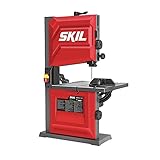


Shortlist: Which Saw Fits Your Shop?
| Saw | Type and capacity | Motor | Typical price range | Best fit |
|---|---|---|---|---|
| Rikon 10-3061 | Benchtop; about 5-inch resaw capacity; 70½-inch blade | ⅓ hp | $300–$450 | Small shops, curves, and occasional light resawing |
| WEN 3966 | 14-inch floor-standing; up to 13-inch resaw capacity; 111-inch blade | 9.5 amps | $500–$750 | Budget buyers who need more height and a larger work surface |
| Rikon 10-324TG | 14-inch floor-standing; up to 13-inch resaw capacity; 111-inch blade | 1½ hp | $900–$1,200 | Frequent use and a stronger motor without moving to premium pricing |
| JET JWBS-14SFX | 14-inch floor-standing; up to 13-inch resaw capacity; 105-inch blade | 1¼ hp | $1,100–$1,500 | Buyers prioritizing a heavier-duty frame and shop stability |
Specifications can differ by model revision and included equipment; confirm blade length, capacity, and electrical requirements on the exact machine before ordering. Resaw capacity is the maximum workpiece height, not a guarantee that the saw will resaw thick stock cleanly with its stock blade.
Best Affordable Band Saw by Situation
For a tight budget and limited space: Rikon 10-3061
This benchtop saw makes sense when portability and footprint matter more than deep resawing. Its smaller motor and roughly 5-inch capacity suit curve cutting, small parts, and occasional work with thinner boards. A benchtop design also avoids the space and assembly demands of a floor model. Its trade-off is limited power: thick hardwood resawing can be slow and may push the machine beyond what it does comfortably.
For the most capacity per dollar: WEN 3966
The WEN 3966 is appealing if you want a full-size saw and substantial resaw height at a lower price than many cast-iron competitors. Its listed 13-inch capacity is generous, but treat that figure as clearance rather than a promise of effortless performance. A narrow stock blade, careful feed rate, and a well-tuned fence matter considerably when cutting thick stock. Budget time for setup, and check the fence and table alignment before relying on it for repeatable veneer or board resawing.
For regular hardwood work: Rikon 10-324TG
The 1½-hp motor gives this 14-inch saw more breathing room for sustained cutting than a typical entry-level benchtop model. That matters when resawing hardwood or making repeated cuts, where a smaller motor can bog down if the blade is dull or the feed is too aggressive. It costs more than the WEN, but is a stronger choice for a shop that expects to use the saw regularly rather than occasionally.
For a heavier-duty 14-inch platform: JET JWBS-14SFX
The JET is the higher-priced choice here, aimed at buyers who value a substantial floor-standing machine and expect frequent use. Its 105-inch blade length differs from the 111-inch blades used by the WEN and Rikon models above, so blades are not interchangeable just because all three saws are described as 14-inch machines. Check the exact blade specification before buying a replacement or specialty blade.
What the Purchase Price Leaves Out
A band saw is only as capable as its blade and setup. A realistic shop-ready budget should include at least one blade matched to the work, dust collection, and—if needed—a mobile base or stand. Before buying, compare the saw’s included blade and fence with what you actually need; an inexpensive machine can require meaningful upgrades.
- Blades: A general-purpose blade can handle varied work, but resawing is usually easier with a wider blade and fewer teeth per inch. Curves need a narrower blade. Confirm both length and maximum blade width for the saw.
- Stand and mobility: Some models include a stand; others require separate support. A mobile base can add convenience, but the saw must sit securely and remain stable during cutting.
- Dust collection: Fine sawdust accumulates around guides and inside the cabinet. Connect dust collection where possible and clean the machine regularly; packed dust can interfere with tracking and adjustment.
- Setup tools and time: A square, measuring rule, and patience for aligning the table, fence, and blade are part of the real cost. Budget for setup before judging cut quality.
Blade Compatibility and Cut Quality
Blade length is model-specific: the Rikon 10-3061 uses a 70½-inch blade, the WEN 3966 and Rikon 10-324TG use 111-inch blades, and the JET JWBS-14SFX uses a 105-inch blade. A blade that is only slightly too long or short will not tension correctly. Also check the saw’s maximum blade width, since a machine may accept a narrower curve-cutting blade but not a wide resaw blade.
For general shop work, a ¼- to ⅜-inch blade is a versatile starting point. For straighter resaw cuts, a wider blade—within the saw’s stated limit—with a suitable tooth profile is generally preferable. More teeth per inch can leave a smoother edge in thinner stock, while a lower tooth count helps clear chips in thicker cuts. A sharp, appropriate blade usually improves results more than chasing the largest advertised capacity.
Buying Decision Matrix
| Your situation | Best match | Why |
|---|---|---|
| Beginner; occasional curves; little floor space | Rikon 10-3061 | Compact and suited to lighter work without a full-size footprint |
| Intermediate; needs tall cuts on a budget | WEN 3966 | High listed capacity at a comparatively low price |
| Experienced; frequent hardwood resawing | Rikon 10-324TG | More motor power for sustained cutting |
| Regular shop use; prioritizes a heavier-duty machine | JET JWBS-14SFX | A sturdier floor-standing option, with a distinct blade size to plan for |
Ownership: What Wears and What Goes Wrong
Blades are the main consumable. Dull or damaged teeth, incorrect tension, and feeding too quickly can cause wandering cuts and extra strain. Guide bearings or blocks also need periodic inspection and adjustment; they support the blade near the work but should not pinch it during normal operation. Follow the manual for tension and tracking rather than relying on a generic setting, because blade widths and machines differ.
Before each session, clear dust, check that the blade is seated and tracking properly, and make sure the fence is parallel to the blade’s cutting direction. If a cut drifts, do not immediately force the stock against the fence: first check blade condition, tension, tracking, and feed rate. A band saw may need the fence adjusted slightly for a particular blade, especially when resawing.
The Bottom Line
For occasional work in a cramped shop, choose the Rikon 10-3061 and stay within its modest capacity. For the lowest-cost route to a full-size machine, the WEN 3966 offers impressive clearance but needs careful setup and realistic expectations for heavy resawing. If the saw will see regular hardwood use, step up to the Rikon 10-324TG; choose the JET JWBS-14SFX when a heavier-duty platform is worth the added cost. In every case, confirm the blade length and width, then reserve part of the budget for the right blade and dust control.